After consistently doing this for three months, my blood pressure has decreased.
Patient's Account
I am 45 years old and was diagnosed with hypertension one year ago.
My doctor informed me that I have Stage 1 hypertension (systolic pressure between 140–159 mmHg, diastolic pressure between 90–99 mmHg). In addition to medication, he suggested that exercise could help lower my blood pressure and recommended increasing physical activity. Therefore, I decided to try running.

At first, I found it very challenging. Shortly after starting to run, I would become breathless. Concerned about my heart health, I would only run a short distance before stopping to rest.
Later, I researched online and realized my initial approach to running might have been incorrect. I learned that hypertension patients should pay attention to the following points when running:
1. Warm up properly before running to avoid a sudden increase in cardiac load.
2. Control the intensity and pace during running; avoid excessive speed or exertion. Generally, the heart rate while running should be between 65% and 79% of the maximum heart rate. A good indicator is being able to speak in short phrases but not sing.

3. Cool down after running to allow blood pressure to decrease gradually. Do not stop abruptly or lie down immediately.
4. Maintain appropriate duration and frequency. It is generally recommended to run at least three times per week, for about 30 minutes each session.
5. Carry emergency medication and stay hydrated during running to prevent potential hypoglycemia or hypertensive crisis.
I adjusted my running plan based on these guidelines. Gradually, I found running became easier and more enjoyable. After each run, I felt physically relaxed and in a better mood.
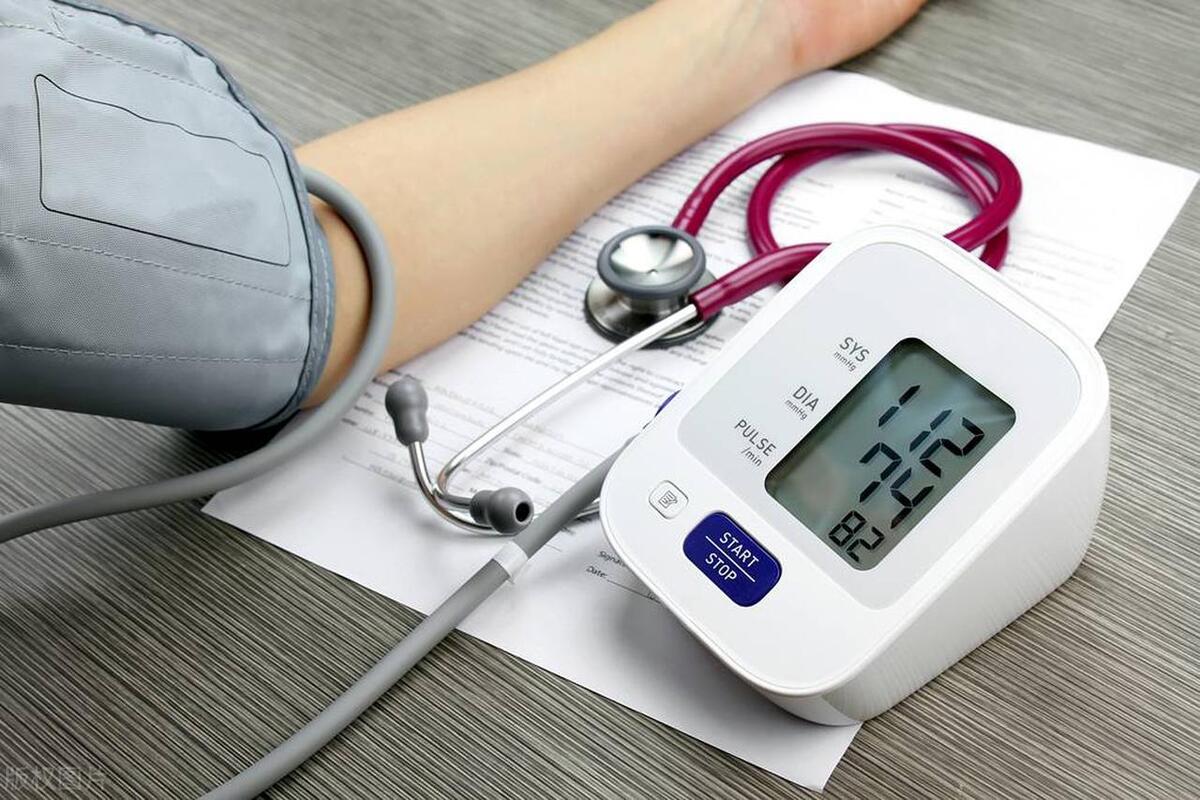
After consistently running for three months, I noticed a significant improvement in my blood pressure. My previous readings were around 155/95 mmHg, and now they are consistently below 140/90 mmHg.
My doctor was very pleased. He said I could consider reducing my antihypertensive medication dosage appropriately and even complimented me, saying I looked ten years younger.
I am deeply grateful for the numerous benefits running has brought me. It has not only effectively lowered my blood pressure but also made me healthier, happier, and more confident. I am determined to keep running and make it an integral part of my life.
Doctor's Explanation
Can running help improve hypertension? For some patients with mild hypertension, the answer is yes. In fact, running can even achieve a "remission" effect, restoring blood pressure to normal levels.
This is primarily because running offers several cardiovascular health benefits.
First, running is an aerobic exercise that effectively promotes blood circulation, enhances cardiopulmonary function, and strengthens the heart muscle.
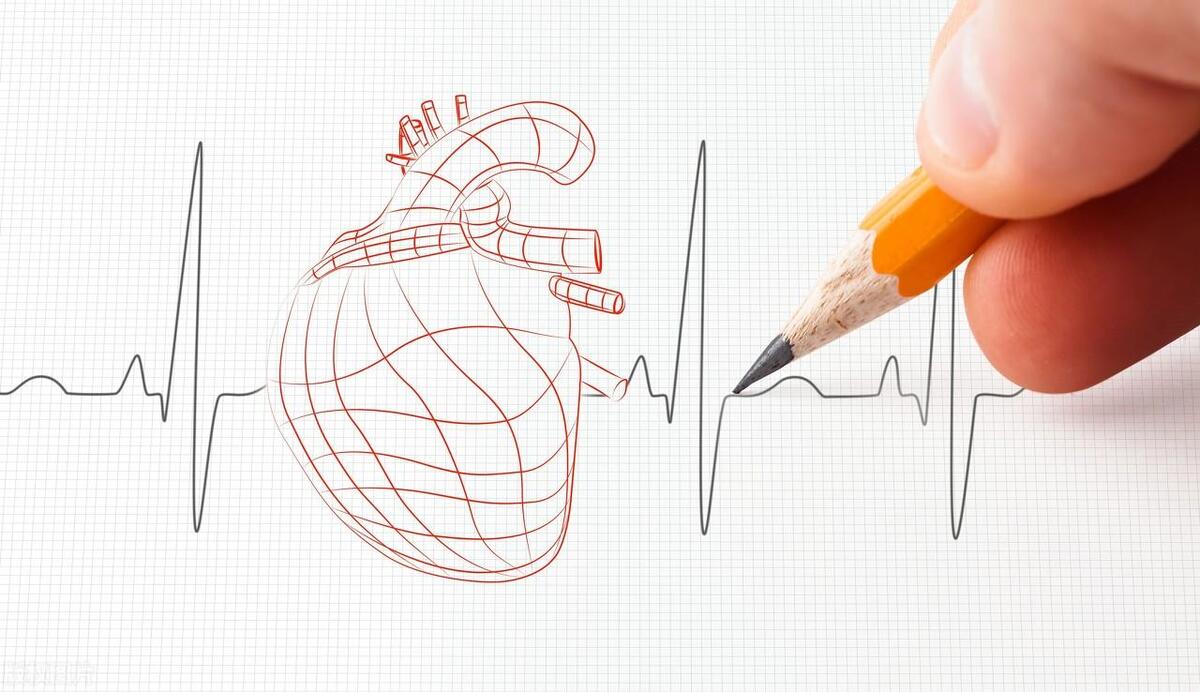
Long-term running exercise can lower the heart rate, and a reduced heart rate is a key factor in lowering blood pressure.
Furthermore, running helps relax the mind, alleviate stress, boost self-confidence, and increase vitality.
This relief from stress and emotional tension also helps restore the body's autonomic nervous system balance, reducing nervous tension, thereby contributing to the "remission" of hypertension.
Therefore, for some newly diagnosed hypertension cases in young and middle-aged adults, especially when vascular elasticity is still good, strengthening exercise—such as consistent running—can help manage and control high blood pressure.

However, avoid strenuous exercise; light jogging is recommended, preferably for no more than 45 minutes.
It is particularly important to note that exercise should only be undertaken once blood pressure is lowered to a safe level.
For hypertensive patients with systolic pressure >160 mmHg or diastolic pressure >100 mmHg, high-intensity exercises like running are not recommended.
Exercising when blood pressure is excessively high increases blood flow velocity, which can further elevate blood pressure and potentially trigger serious complications such as myocardial infarction or stroke.