Are there restrictions on sperm donation for bald men? Are there really that many people suffering from hair loss?
Something suddenly came to mind. A long time ago, I saw a screenshot posted by a well-known blogger regarding the requirements for sperm donation in a certain region. One of the criteria stated that applicants must not have baldness or a family history of baldness. This condition discouraged many men with hair loss from considering sperm donation.

This requirement excludes a significant number of men. It is important to note that the prevalence of androgenetic alopecia among men in our country is quite high; on average, one out of every five adult males suffers from androgenetic alopecia. How are those patients with hair loss supposed to feel about this?
Genetics is the primary cause of androgenetic alopecia. However, some individuals repeatedly inquire because they have no family history; in such cases, it may be due to genetic mutations or other factors involved in the onset and progression of hair loss. Androgenetic alopecia was previously referred to as seborrheic alopecia, but evidence has shown that it is not significantly related to oil secretion. While some individuals with androgenetic alopecia may have an oily scalp, excessive oil production does not cause the condition. In men, androgenetic alopecia is related to an enzyme in the scalp called Type II 5α-reductase, in addition to genetics. This enzyme converts testosterone into dihydrotestosterone (DHT), which causes hair follicles to miniaturize and eventually undergo apoptosis, leading to hair loss. Consequently, the well-known medication finasteride works by inhibiting Type II 5α-reductase, allowing hair follicles to revitalize and regrow hair. However, finasteride is only for oral use in men and is contraindicated for women. The dosage is 1mg once daily, taken continuously. Results typically begin to appear after 3 months, with a formal evaluation generally conducted at one year; long-term oral administration is required. This medication may affect male sexual function, but the impact is very mild and usually subsides gradually during the course of treatment. In rare cases where the impact is significant, it typically resolves completely within two weeks of discontinuation; even in extremely rare cases where the impact feels pronounced, it will slowly return to normal after stopping the drug. Periodic monitoring of liver and kidney function is sufficient during treatment. For those planning to conceive, some domestic scholars suggest stopping the medication 3 months prior to conception. However, international studies have found that if a partner becomes pregnant while the male is taking finasteride, there is generally no impact on the child. Nevertheless, in the context of prenatal and postnatal care (eugenics), we still recommend stopping the medication for one month before attempting to conceive.
Simultaneously, topical 5% minoxidil liniment can be used in combination, and it must be used consistently; results are generally seen only after 3 months or more. Some people mention a "dread shed" period with minoxidil. The term "dread shed" is not entirely accurate; minoxidil simply accelerates the shedding of hairs that were already destined to fall out to make room for new hair growth. This shedding phase usually occurs at the beginning of treatment, lasts for one or two months, and then gradually stops as new hair begins to grow. A portion of the population is allergic to minoxidil, presenting with symptoms such as scalp redness and itching, in which case it should be discontinued. Some believe this allergy may be due to the solvent propylene glycol; these individuals can switch to a minoxidil foam that does not contain propylene glycol. If the scalp remains red and itchy after using the foam, it may indicate a true allergy to minoxidil itself, and use must be discontinued.
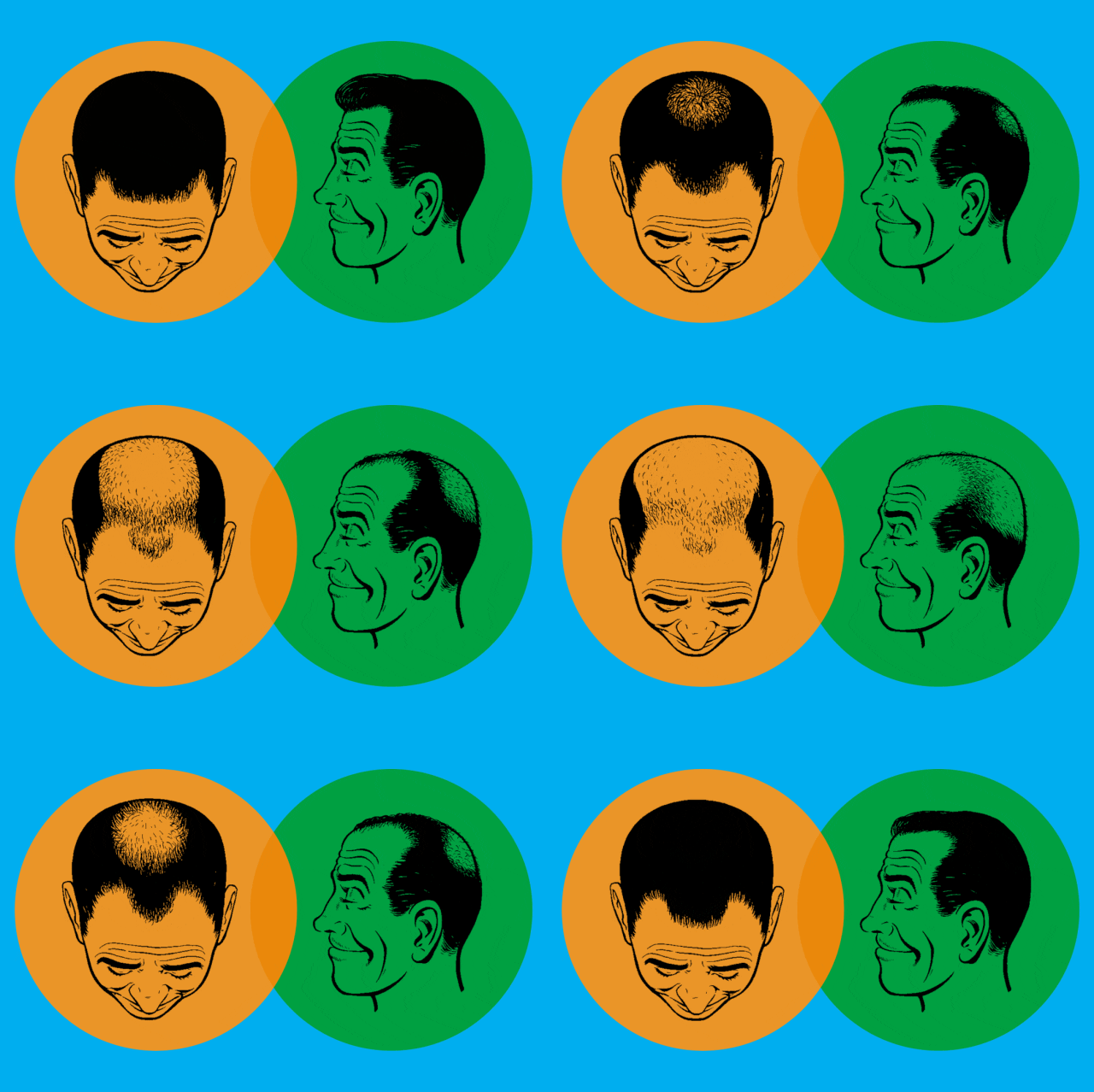
To judge the effectiveness of pharmacological treatment, a systematic evaluation is typically performed at the one-year mark. If effective, long-term use is required. If there is no effect at all, the medication may need to be discontinued, and further consultation with a dermatologist is necessary to determine the next steps. Male androgenetic alopecia often manifests as a receding hairline and thinning at the vertex (crown). The earlier the detection, diagnosis, intervention, and treatment, the better the outcome.
Some may ask, why not choose hair transplantation? Current hair transplant technology is very mature, but undergoing a transplant at the very onset of hair loss is somewhat premature; it is necessary to give the non-growing hair a chance to respond to treatment. Therefore, I suggest starting with pharmacological treatment first. If, after one year of medication, the evaluation shows good results, you should continue with the oral and topical treatments. If the results are unsatisfactory after one year, choosing a hair transplant is perfectly fine, provided you select a reliable hair transplant institution and it fits your financial means. It should be noted that for the hairline area, neither oral finasteride nor topical minoxidil tends to yield ideal results. Conversely, the effectiveness is generally better for the vertex area.
Hair transplantation involves harvesting hair from the back of the head and transplanting it into the balding areas. If the hair density at the back of your head is insufficient, there is a high probability that a hair transplant will not be a viable option. Furthermore, even after undergoing a hair transplant, it is necessary to continue using oral and topical medications. Otherwise, while the transplanted hair will no longer fall out, other areas on the crown and forehead that were not transplanted will continue to thin due to genetic influences. Over time, this can create a strange appearance—resembling an "isolated island" or the "Little Dragon Boy" (Xiao Long Ren) hairstyle—which significantly compromises the aesthetic result.
Of course, some people may ask: if I am unwilling to take oral medication or apply topical treatments, and I do not wish to undergo hair transplantation, can I use a laser hair growth cap alone? The answer is that it is perfectly fine to do so. However, the laser hair growth cap is merely an adjuvant therapy. Although it has been cleared and approved by both the US FDA and the Chinese CFDA, it remains a supplementary treatment; using it in isolation may yield very poor results. There are also other methods for treating androgenetic alopecia, such as adjuvant microneedling therapy, Platelet-Rich Plasma (PRP) therapy, and Traditional Chinese Medicine (TCM).
Some people ask, "Do I have to take medication and apply topical treatments for the rest of my life to treat androgenetic alopecia?" Of course not. When you have used the medication until the age of 40 or 50, it is generally considered sufficient. After the age of 50, the impact of hair on your physical appearance, work, and social life may no longer be significant. At this stage, we should prioritize overall health and the prevention of chronic diseases and accidents; hair becomes less of a concern, and medication can be discontinued.
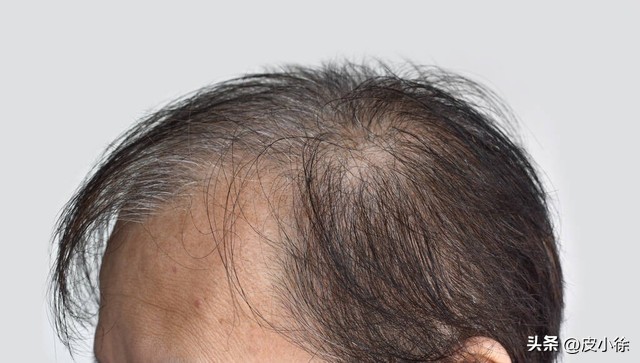
Androgenetic alopecia only affects our physical appearance and may have a significant psychological impact on individuals who care about their hair, but it poses no harm to our physical health. Even if you have no intention of treating hair loss and choose to let it progress naturally, as long as you can accept it and do not care about the opinions of others, that is perfectly fine.