Woman Diagnosed with Infection After Rubbing Eyes Following Unboxing of Express Packages; Pain is Unbearable! Contagious! Is the News True?
Redness, swelling, and itching of the eyes caused by unboxing express packages may be conjunctivitis or eyelid dermatitis, as contact with contaminated items can indeed induce such allergic diseases; a consultation with an ophthalmologist is required.
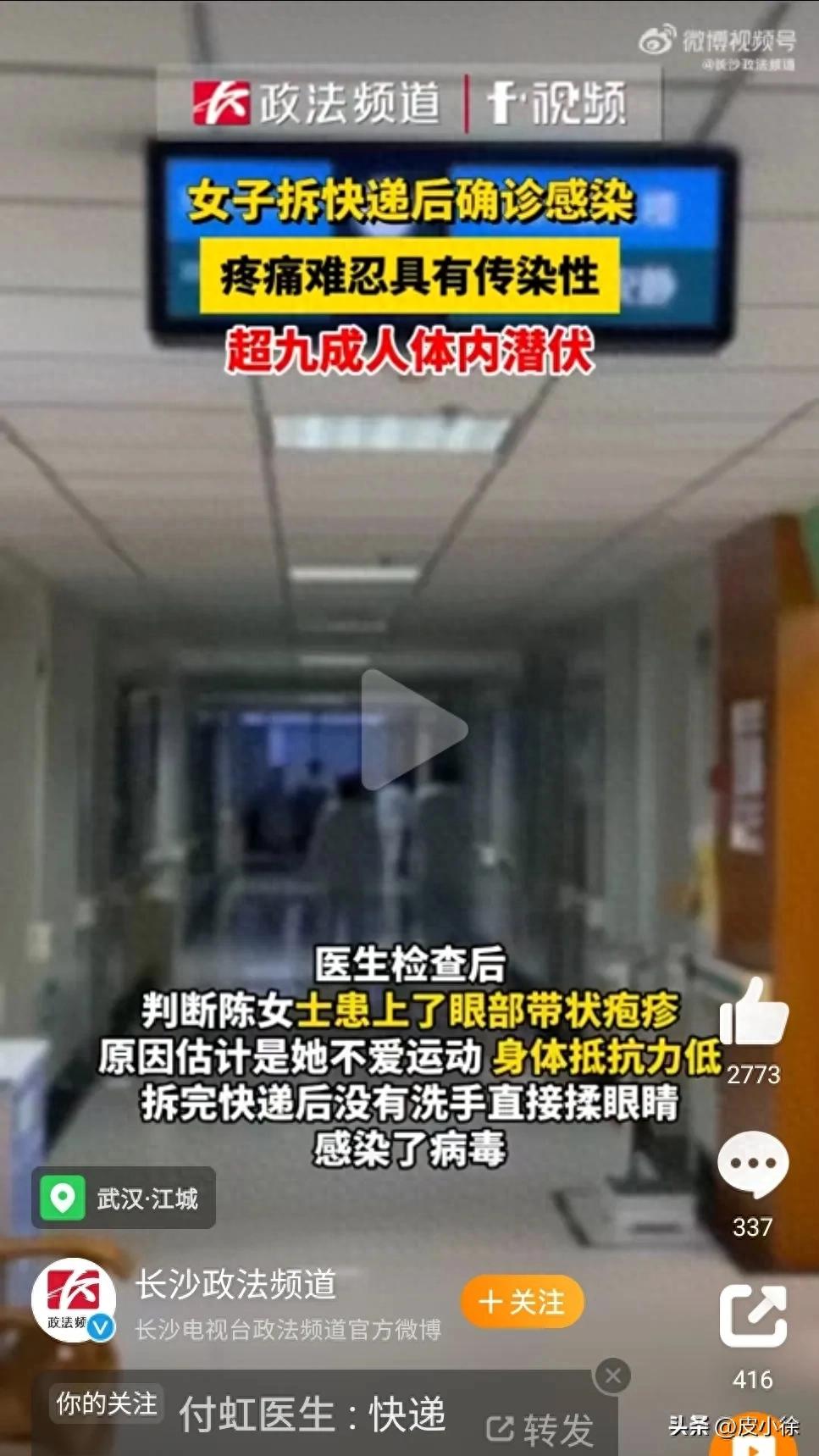
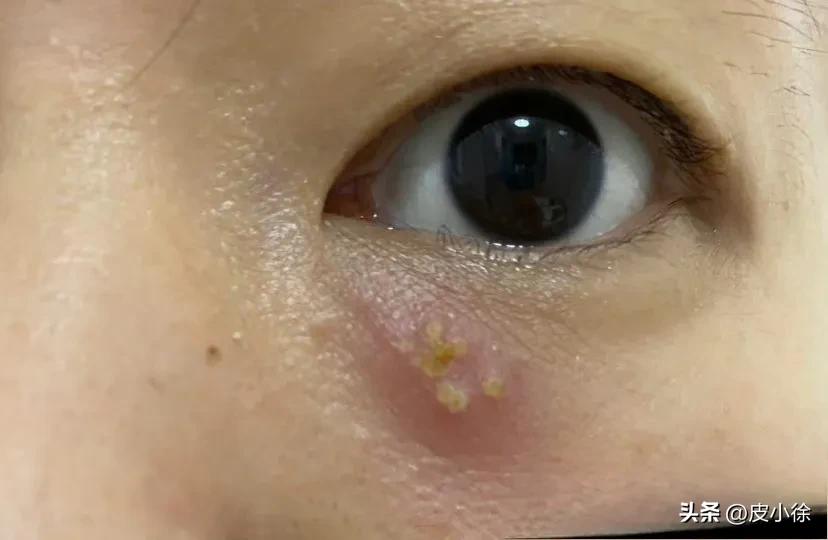
Herpes viruses are divided into two categories. One is called Herpes Simplex Virus (HSV), commonly referred to as "internal heat" (shanghuo) resulting in cold sores on the mouth (Figure 2). This is primarily caused by Herpes Simplex Virus Type 1 (HSV-1) infection and usually self-resolves within about a week after onset. However, this virus remains latent in the nerve roots; when triggered by future overexertion, staying up late, alcohol abuse, or high stress, it can be reactivated, leading to a recurrence of herpes simplex. It is characterized by a cluster of small vesicles on an erythematous base. Of course, herpes simplex does not only occur around the mouth; it can also appear on other parts of the body, such as around the eyes (Figure 3). If this is the first onset, it may be caused by someone with herpes simplex kissing that area or through indirect contact with the herpes simplex virus. While unboxing express packages could potentially lead to periocular herpes simplex, I believe the probability is relatively low.
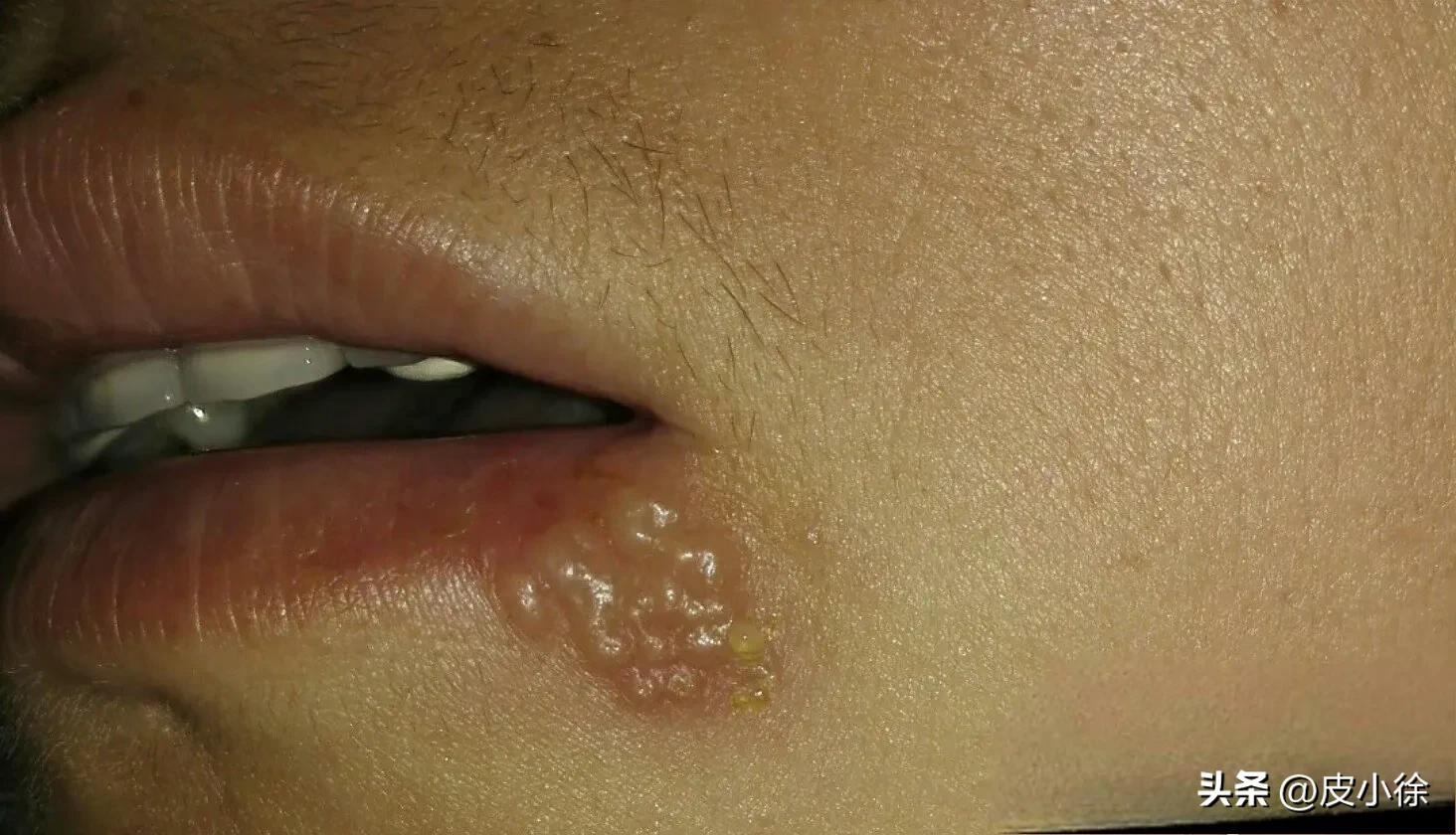
Herpes Simplex
It is important to mention here that another significant type of herpes simplex virus is Herpes Simplex Virus Type 2 (HSV-2). It primarily causes one of the most common sexually transmitted diseases, known as genital herpes, which is characterized by recurrent blisters in the private areas similar to those shown in Figure 1 or Figure 2. There is also no permanent cure for this condition
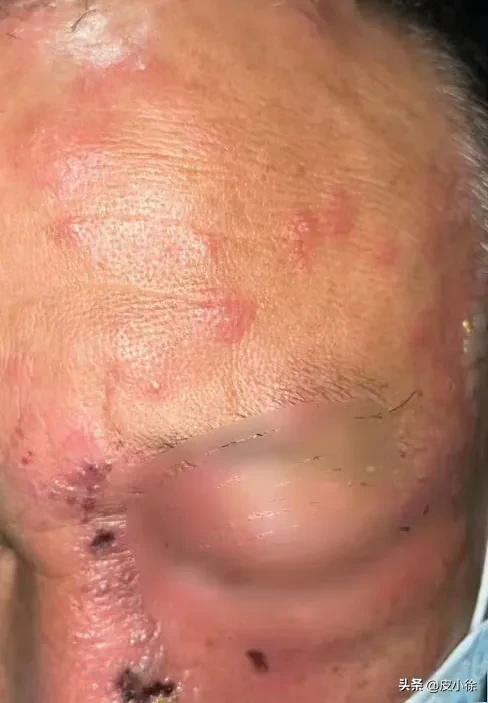
The second type of herpes virus is called Varicella-Zoster Virus (VZV). After an initial infection with chickenpox, this virus remains permanently latent in the nerve roots of the body. When a person ages or their immunity declines, the virus is reactivated. It is characterized by multiple papules and vesicles on an erythematous base distributed along a unilateral nerve, accompanied by significant pain. For example, the elderly patient in Figure 4 with herpes zoster on the head and face not only experiences pain but also has conjunctival congestion, potentially accompanied by symptoms of dizziness. Generally, herpes zoster heals within 2 to 4 weeks; however, some elderly patients may develop postherpetic neuralgia (PHN), where pain persists for more than 3 months. This is currently a major condition in pain management departments and is relatively difficult to treat. Most people experience herpes zoster only once in their lifetime, but fewer than 10% may experience a second or third episode, though it does not recur as frequently as herpes simplex.
Whether it is herpes simplex or herpes zoster, the primary department for treatment is Dermatology. However, if these two diseases present with conjunctival redness, itching, tearing, or pain in the eyes, the assistance of an ophthalmologist is also required for diagnosis and treatment. For postherpetic neuralgia following herpes zoster, dermatologists are often limited in their treatment options, and the collaborative diagnosis and treatment of the Pain Management Department are necessary.
As of now, there is no vaccine for herpes simplex, which is a source of great distress for many patients with herpes simplex or genital herpes, as existing medications can only accelerate treatment and cannot resolve the issue of recurrence. However, when there is no outbreak, one can proceed with daily life as usual. In contrast, vaccines for herpes zoster are currently available, including the recombinant zoster vaccine, which has a preventive efficacy of 97% and is available only for individuals over 50 years of age, and the live attenuated zoster vaccine, which requires only a single dose, can be administered to those over 40, and has a preventive efficacy of approximately 57%. Vaccination is not performed at hospitals; it is generally administered at community health service centers.
Do you understand now? Trending news shouldn't be manipulated like this; it shouldn't mislead the public. However, this news does serve as a reminder for everyone to wash their hands after unboxing packages. That is still necessary.