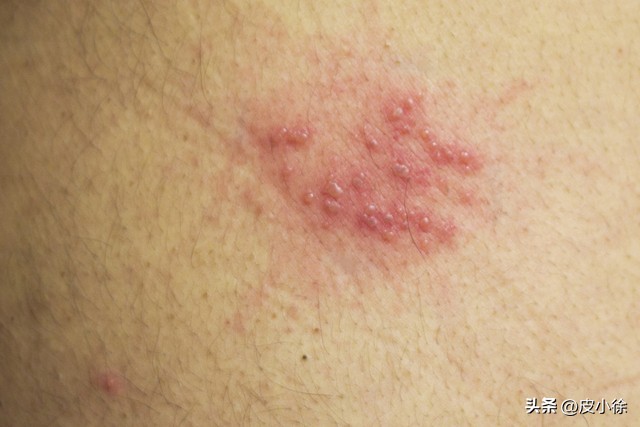
An elderly family member has shingles and is in so much pain they can't sleep at night. Are there any effective treatments?
Herpes zoster, commonly known by the public as "wraparound dragon" or "snake-like sore," is actually the reactivation of the varicella-zoster virus (VZV) within the body. This occurs particularly when immunity is low and is quite common among the elderly. Herpes zoster does not only present as erythema, papules, and vesicles distributed along a unilateral nerve; the most critical aspect is the associated neuropathic pain. Not only is it extremely painful during the acute phase, but even after the lesions have healed, some elderly patients are left with postherpetic neuralgia (PHN). In some cases, the pain is so severe that it significantly impacts quality of life, and there are no definitive methods to completely cure it. Therefore, for middle-aged and elderly individuals over the age of 50 who have not yet had shingles, it is advisable to receive the herpes zoster vaccine as early as possible, provided there are no contraindications and it is financially feasible. For instance, the imported recombinant zoster vaccine has a protective efficacy as high as 97%. There are also domestic shingles vaccines available which are more affordable, though their protective efficacy is not as high as the imported version.
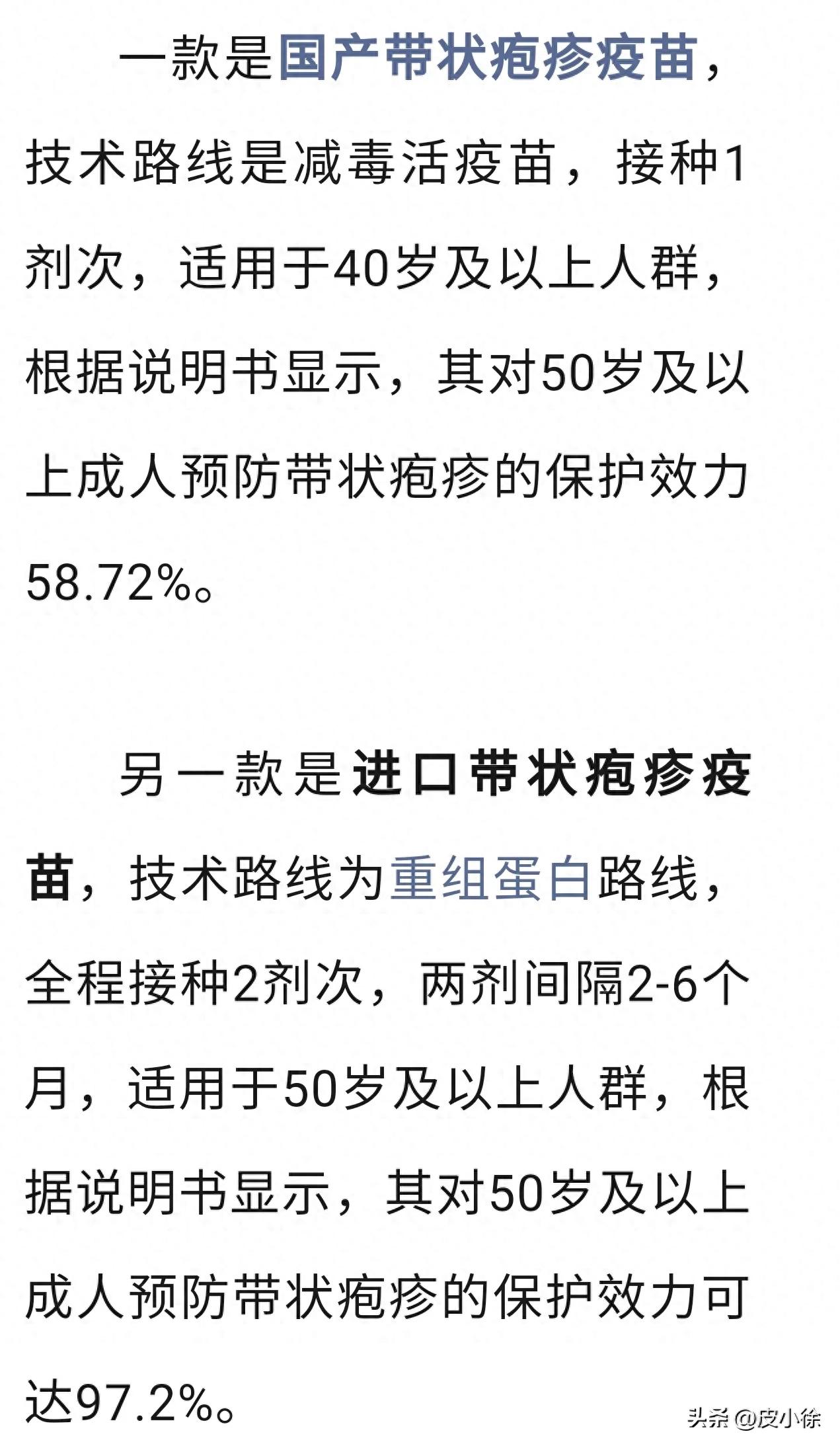
Once herpes zoster is identified, one should promptly seek help from a dermatologist. Timely and adequate doses of oral antiviral medications can effectively alleviate symptoms, shorten the course of the disease, and prevent the occurrence of postherpetic neuralgia (PHN). The figure below shows the standardized, full-dose antiviral medication regimen for reference. Delayed, insufficient, or incomplete courses of antiviral treatment will reduce the effectiveness of the therapy and may fail to prevent the onset of postherpetic neuralgia.

Other medications, such as neurotrophic Vitamin B1, Mecobalamin, or Adenosylcobalamin, can be administered either orally or via intramuscular injection. For neuropathic pain, traditional analgesics like Ibuprofen may be less effective; therefore, it may be necessary to add Gabapentin or Pregabalin to the treatment regimen. However, one must be mindful of the potential side effect of dizziness associated with these two drugs. If the pain becomes even more severe, intervention from the Pain Management Department may be required to intensify analgesic therapy. As for topical treatments, such as the anti-infective Mupirocin or the antiviral Acyclovir, these are considered supplementary rather than primary treatments.
As for certain Traditional Chinese Medicine (TCM) treatments and herbal remedies, they may be effective for treating herpes zoster; however, it is essential to seek assistance from a reliable TCM practitioner. Regarding so-called folk remedies, I generally do not recommend them. Methods such as shamanic rituals, "drawing charms to decapitate the snake," or applying centipede juice are even more strongly discouraged.

Despite timely treatment and early intervention, some elderly patients still develop postherpetic neuralgia (PHN), and the severity of the pain can be quite significant. At this stage, dermatologists are often unable to provide further relief, and it becomes necessary to seek multidisciplinary diagnosis and treatment from departments such as pain management, traditional Chinese medicine, and psychology.
May the world be free from the pain of herpes zoster.