Thought it was eczema, couldn't stand it anymore and came to the hospital—turns out it was bedbug bites.
A young man had been working in another city for several years after graduating from university. This time, he was dispatched by his company to work in Beijing for a year. A good friend helped him rent what seemed like a very nice apartment—it had everything, was close to the workplace, and was highly cost-effective. Unexpectedly, on the very first night he moved in, he felt quite itchy and developed several bumps. He thought they were mosquito bites and didn't pay much attention. As a result, the bumps kept increasing all over his body. Thinking it was eczema, he applied some eczema ointment and took anti-allergy medication, but the bumps continued to appear, and the itching was intense.
No matter what he tried, nothing worked. Finally, when he could no longer bear it, he reluctantly took time off work and came to see me.
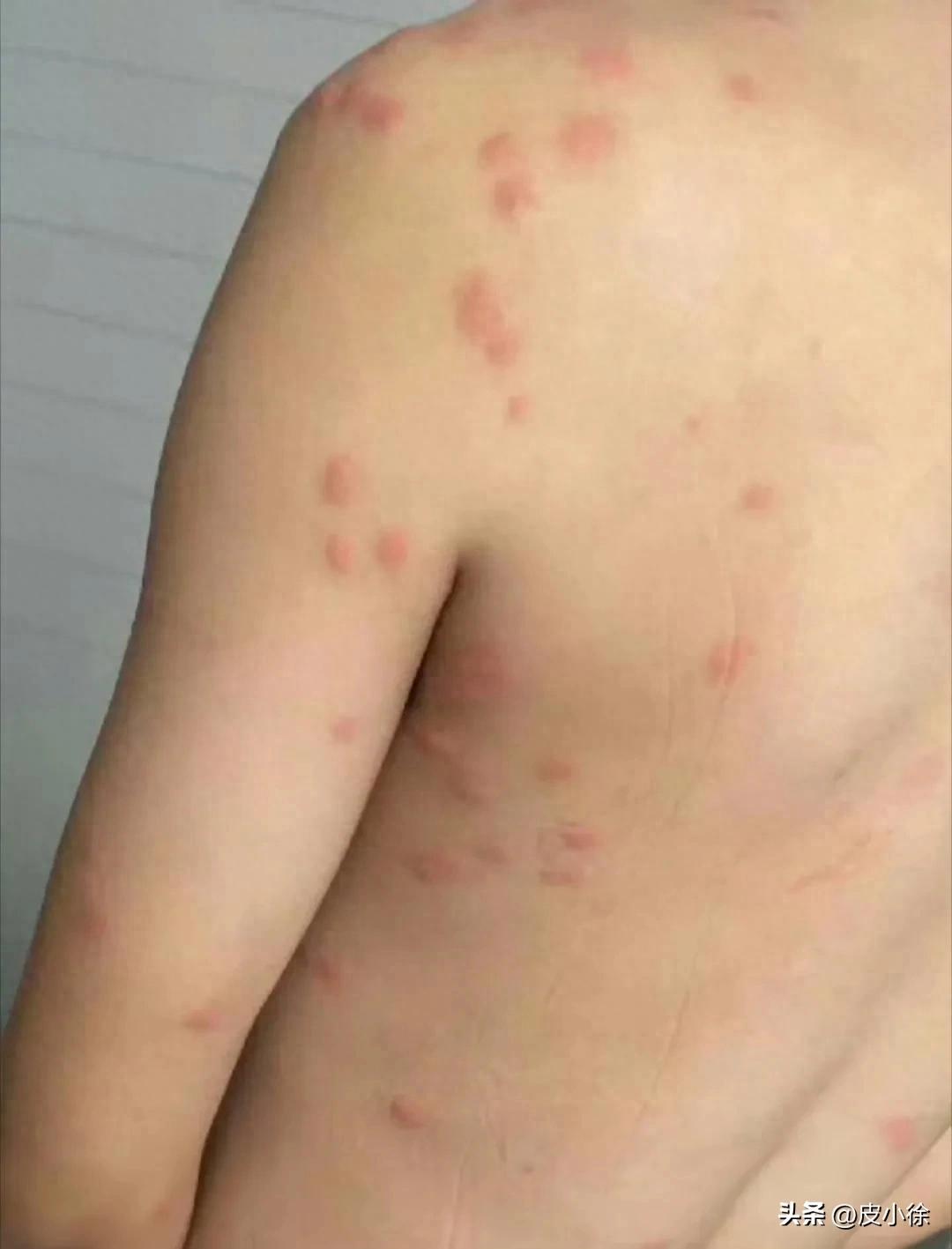
As he shared his past experiences with me, several possibilities came to mind. I asked him to remove his shirt, and I saw his body covered densely with red, swollen bumps.
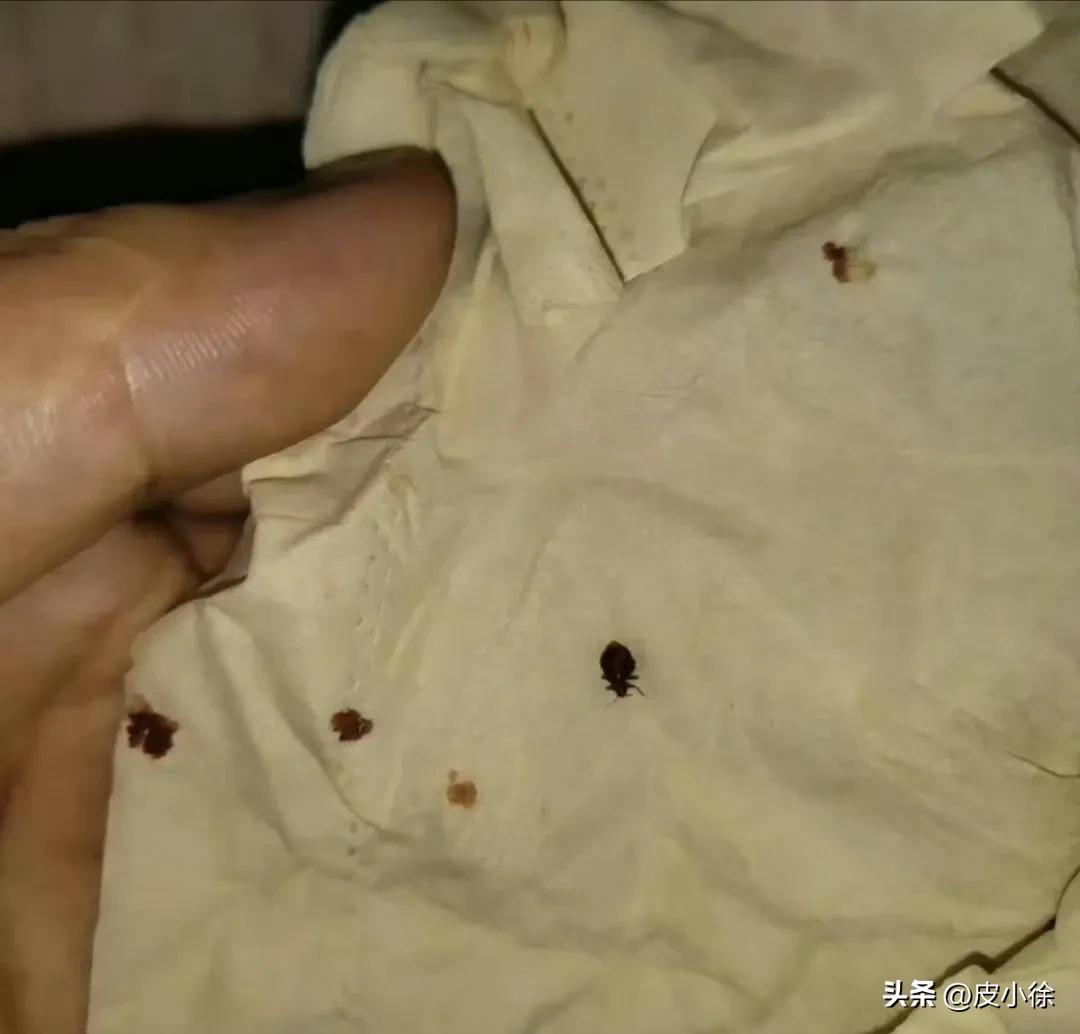
After careful examination, I concluded that it was not eczema. He mentioned that there were some bugs in his rental apartment and had taken photos of them, so he showed me the pictures. At that point, I was able to confirm the diagnosis: he was suffering from bug bite dermatitis caused by bedbug bites.
Relieving the itching from dermatitis and rashes is not complicated. We can manage it similarly to ordinary dermatitis or eczema, including topical corticosteroids and non-steroidal anti-itch ointments, oral antihistamines, and even systemic oral corticosteroids for rapid itch relief. With proper adherence to the prescribed medication and application, recovery will be quick. Do not self-medicate.
I patiently explained to him further, "You may face an even bigger challenge: eliminating or staying away from these bedbugs. Otherwise, the condition is unlikely to improve."
When you find one bed bug in your environment, there are actually many bed bugs because they reproduce quickly, emerge at night, and hide during the day. They can hide in bed sheets, pillowcases, clothes, wall cracks, and bed crevices, making it quite challenging to eliminate them.
It is generally believed that methods like scalding with hot water, exposing to sunlight, spraying insecticides, etc., are sometimes still insufficient to completely eradicate them. When you are truly unable to handle the situation on your own, it is recommended to contact a pest control company to exterminate them.
A patient asked whether it’s possible to “run away” and move to another house. I explained that packing up your clothes and moving to another residence may also transport bed bugs and their eggs along, leading to a new infestation and ongoing bites in the new environment. Therefore, finding a way to exterminate the bed bugs is the best solution.
I've seen quite a few cases of such insect bites in the clinic, sharing this with everyone to emphasize the importance of taking it seriously.

If you're itchy and uncomfortable, don't endure it. Come to a regular hospital dermatology department for an in-person consultation as soon as possible. Of course, you can also come to see me. If it's not convenient for you to come to the hospital, you can also contact me online.