If you've had shingles, does that mean you won't get genital herpes?
Shingles (Figure 1) and genital herpes (Figure 2) are two completely different diseases with no direct relationship. Therefore, even if you have had shingles, if you do not pay attention to sexual hygiene and health, and engage in unsafe sexual behavior, it is still possible to contract genital herpes.
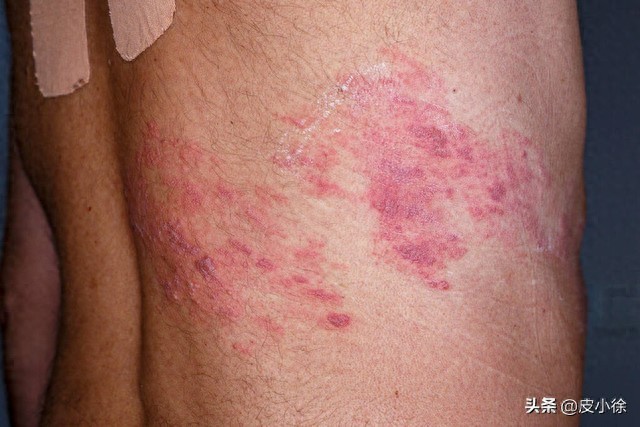
Shingles
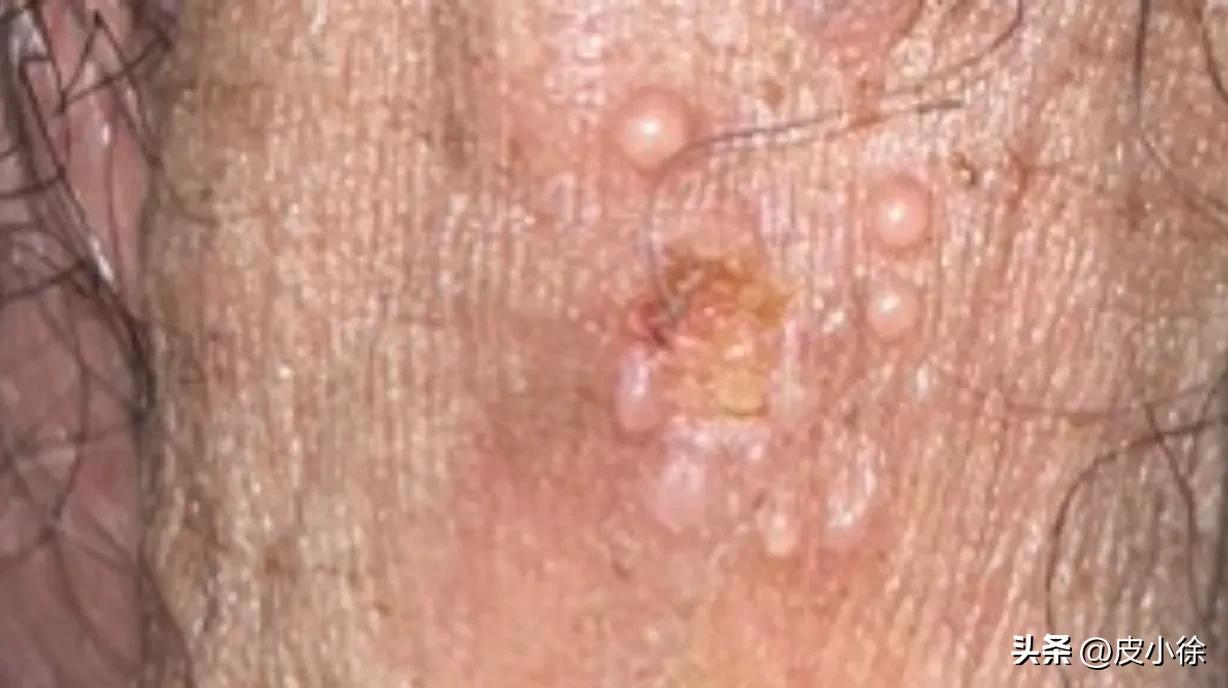
Genital Herpes
1. Virus type: Shingles and chickenpox (Figure 3) are caused by the same virus called the varicella-zoster virus, which is a single virus type; genital herpes and oral herpes (Figure 4) are caused by the same virus called the herpes simplex virus, but genital herpes is primarily caused by herpes simplex virus type 2, while oral herpes is primarily caused by herpes simplex virus type 1.
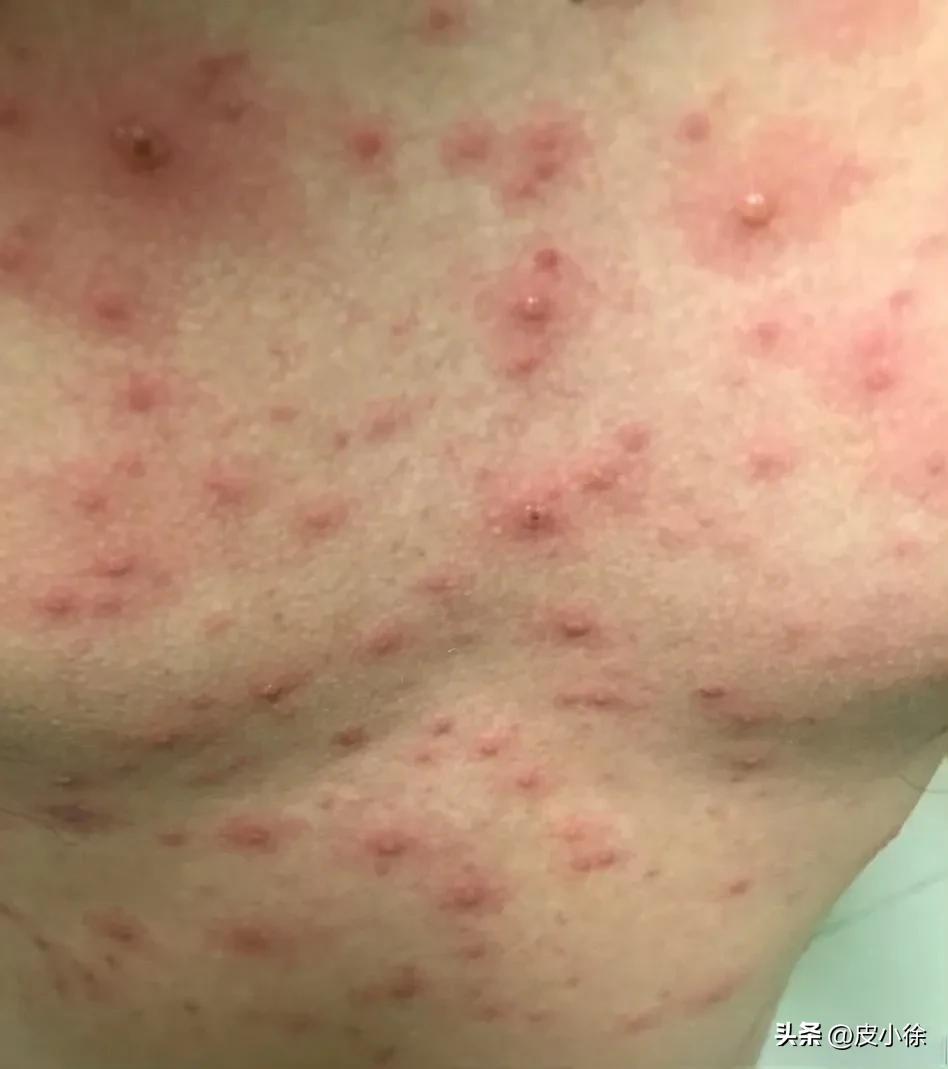
Chickenpox
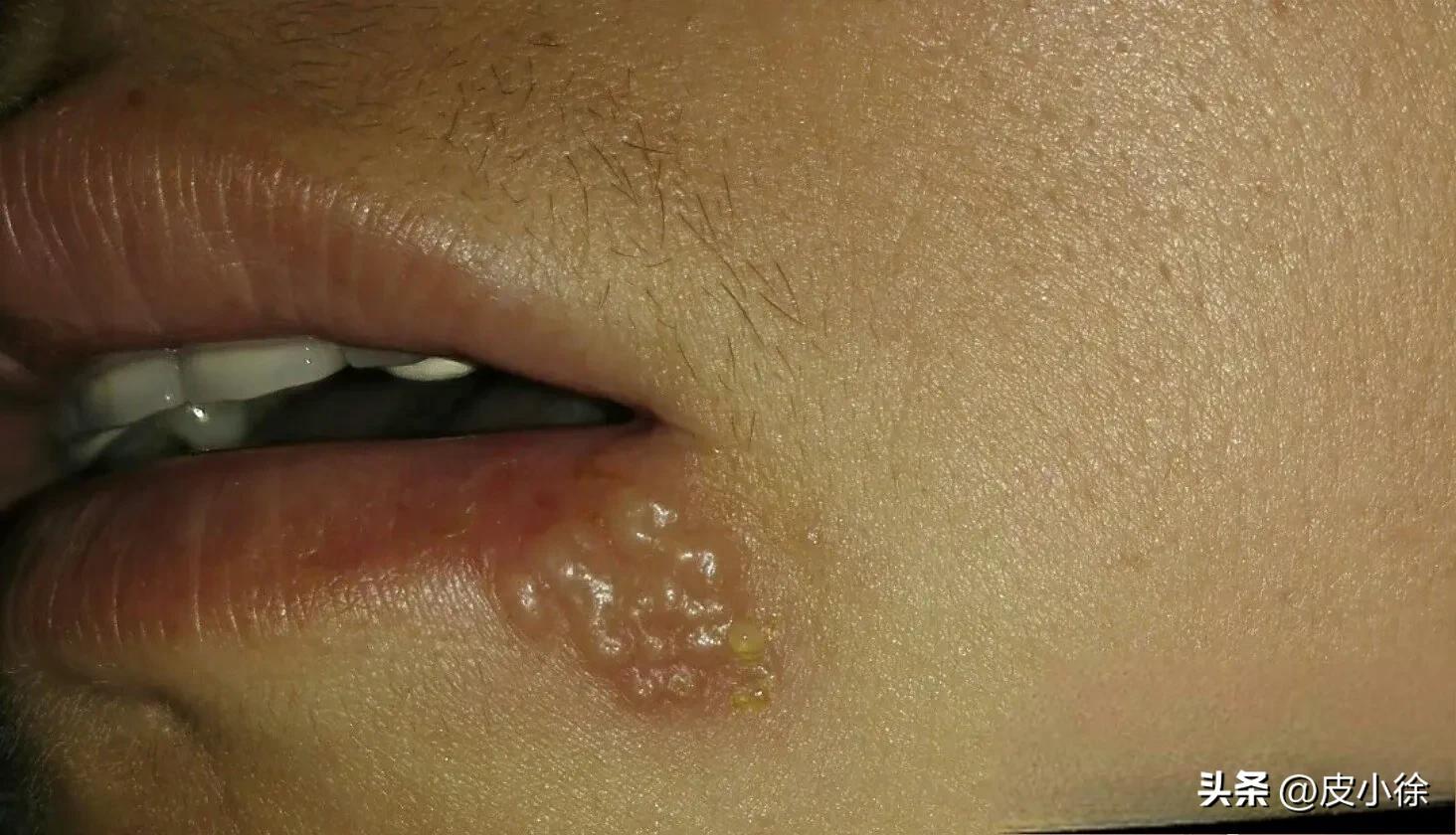
Oral Herpes
2. Order of Onset: Typically, one first gets chickenpox or is infected with the varicella-zoster virus, and then develops shingles years later. That is to say, chickenpox precedes shingles. However, there is no sequential order between oral herpes (cold sores) and genital herpes. Their viruses are independent of each other. It is simply that the incidence of oral herpes around the human mouth is much higher than that of genital herpes.
3. Symptom Manifestations: Chickenpox is more commonly seen in children, presenting with papules, blisters, and crusting from head to toe, often accompanied by fever and other symptoms. Shingles is more prevalent in adults, typically occurring in immunocompromised individuals such as those who are overtired. It usually appears as clusters of blisters on an erythematous base along a unilateral nerve distribution, accompanied by varying degrees of pain, while fever is rare. Oral herpes manifests as clusters of blisters around the mouth, accompanied by discomfort such as burning sensations. Genital herpes presents as clusters of blisters in the private genital area, also accompanied by discomfort such as burning sensations.
4. Frequency of Recurrence: Chickenpox typically occurs only once; shingles usually occurs once as well, though occasionally some individuals may experience it twice, and very rarely, even three times. In contrast, cold sores and genital herpes recur repeatedly, cannot be cured, and the frequency of recurrence varies from person to person, affecting quality of life.
5. Prognosis: For chickenpox, attention should be paid to whether complications may arise or scarring may occur. For shingles, it is important to watch for postherpetic neuralgia. Cold sores affect appearance, and their recurrence also impacts quality of life. Genital herpes, being a sexually transmitted disease, recurs repeatedly, affecting both quality of life and family harmony.
6. Contagiousness: Chickenpox is contagious. Shingles has very low contagiousness, occasionally transmitting to individuals who have not had chickenpox and causing them to develop chickenpox. Cold sores can be transmitted through kissing during an outbreak. Genital herpes can be transmitted to a partner during an outbreak, resulting in genital herpes.
7. Availability of Vaccines: Vaccines are available for chickenpox and shingles. As of now, there are no vaccines for cold sores or genital herpes.