Can Massage Lead to AIDS?
Massage does not cause AIDS. Not only does massage not lead to AIDS, but it also does not cause other sexually transmitted diseases—unless you engage in inappropriate activities with a massage therapist at the massage parlor without taking safety precautions. Even if safety measures are taken, engaging in such behaviors with strangers inherently carries a certain level of risk, though the degree of risk may vary from high to low.
The three essential conditions for the transmission of an infectious disease are the presence of a source of infection, a route of transmission, and a susceptible population—all three are indispensable. AIDS, as an infectious disease, also requires these three conditions for transmission to occur.
1. The source of infection refers to HIV-infected individuals or AIDS patients who are shedding a large quantity of HIV particles, such as substantial amounts of fresh blood, semen, or vaginal secretions, as these fluids contain the highest concentration of HIV particles. Once outside the human body, HIV particles have a very short survival time and are rapidly inactivated, losing their ability to transmit the virus. It is also important to specifically emphasize that mosquito bites do not transmit AIDS, a fact supported by scientific evidence.
2. Transmission Routes. The primary transmission routes of AIDS are sexual contact, bloodborne transmission, and mother-to-child transmission. All three of these routes involve significant exchange of bodily fluids, which facilitates the spread of AIDS. In China, heterosexual transmission remains the dominant mode, but homosexual transmission has rapidly emerged as a major route for HIV spread, as anal intercourse can lead to tearing and bleeding, accelerating HIV transmission. However, shaking hands, sharing meals, or using towels with an AIDS patient will not transmit the virus. Similarly, routine manual massage in spas or parlors does not lead to AIDS transmission, as it does not involve substantial exchange of bodily fluids. It is highly unlikely for anyone to have a large, actively bleeding wound on their skin while, coincidentally, the masseuse’s hands are also profusely bleeding—and both parties tolerate the pain while placing the bleeding hand over the fresh wound... Such a scenario is implausible in real life. Who would encounter such a situation while receiving a massage?
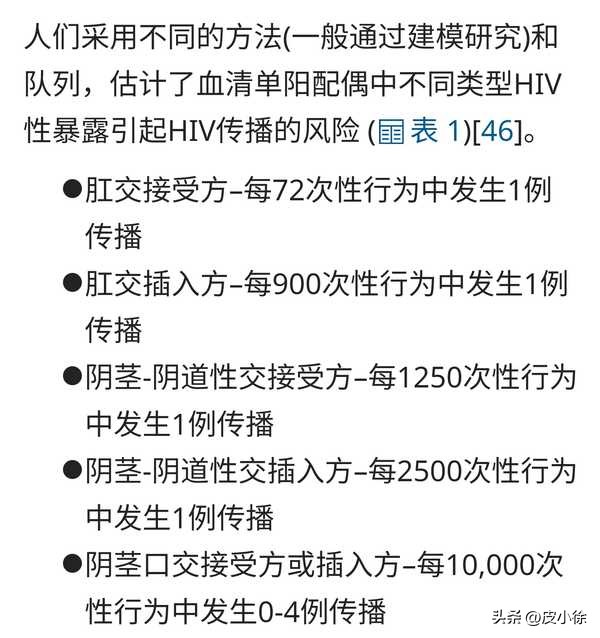
3. Susceptible Population. Every individual is susceptible to AIDS. HIV-infected individuals or AIDS patients who are not on antiretroviral therapy have high concentrations of HIV particles in their bodily fluids and are highly contagious. Engaging in unprotected sexual intercourse with such individuals carries a relatively high risk of transmission, though it is not guaranteed with a single exposure; the probability varies. The table below illustrates the transmission probabilities of HIV under monogamous conditions. However, various factors can increase the transmission rate, such as the presence of genital ulcers, which significantly elevates the risk. For any individual, transmission is a binary outcome—either 0% or 100%—either infected or not. The transmission probabilities provided below are intended to help individuals understand their relative risk and offer psychological preparation and reassurance. As for routine massage involving skin contact through hands, our skin provides a robust defensive barrier, making transmission of AIDS highly unlikely.
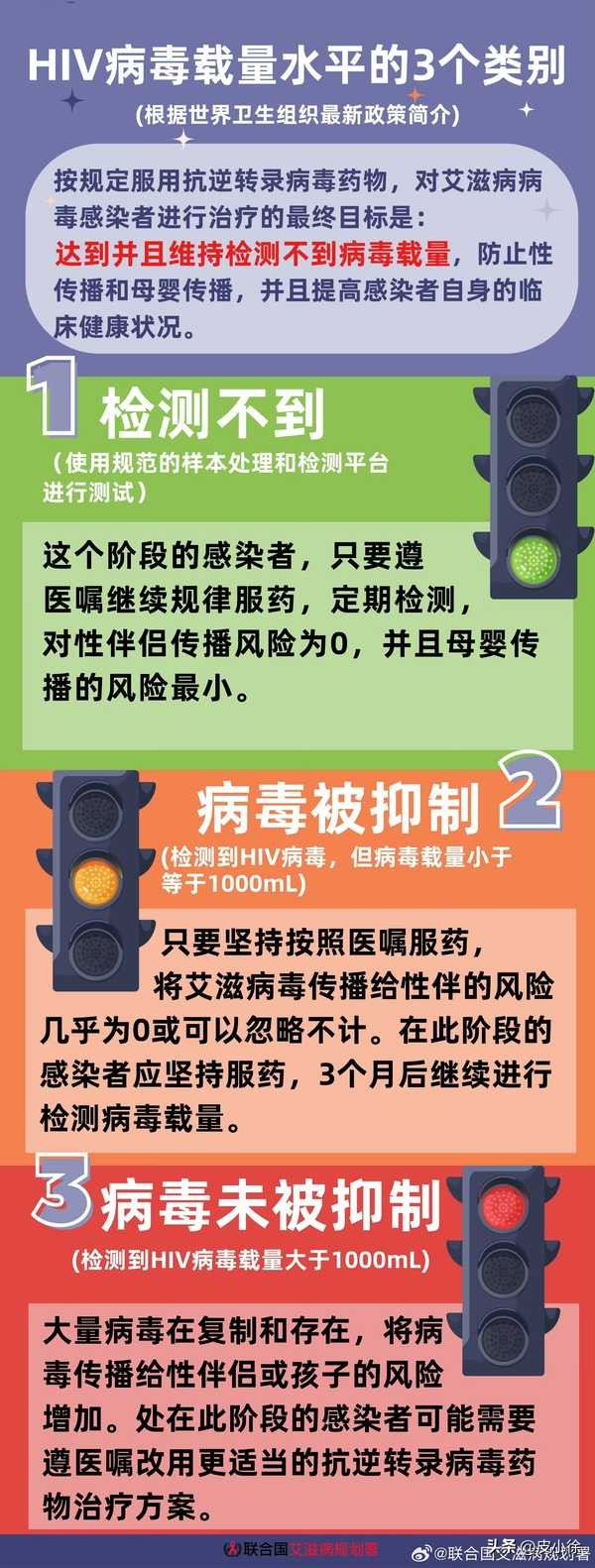
If an AIDS patient, upon learning of their infection, adheres to a sufficient, full-course, and regular regimen of antiretroviral therapy under medical guidance, leading to an undetectable level of HIV particles in their body, they are considered non-contagious, with a transmission risk to sexual partners of zero (as illustrated in the chart from UNAIDS below).
A legitimate massage spa is a place for relaxation. If you feel uncomfortable or fear the risk of contracting diseases, I would still advise you not to go. Why make things difficult for yourself?