Are female private area waterproof patches for swimming a "IQ tax" (marketing scam)?
A few days ago, a female friend forwarded me a science communication post discussing whether female private area waterproof patches are reliable. She asked if they can actually be used, as she was considering buying them. She is concerned about contracting gynecological diseases while swimming.
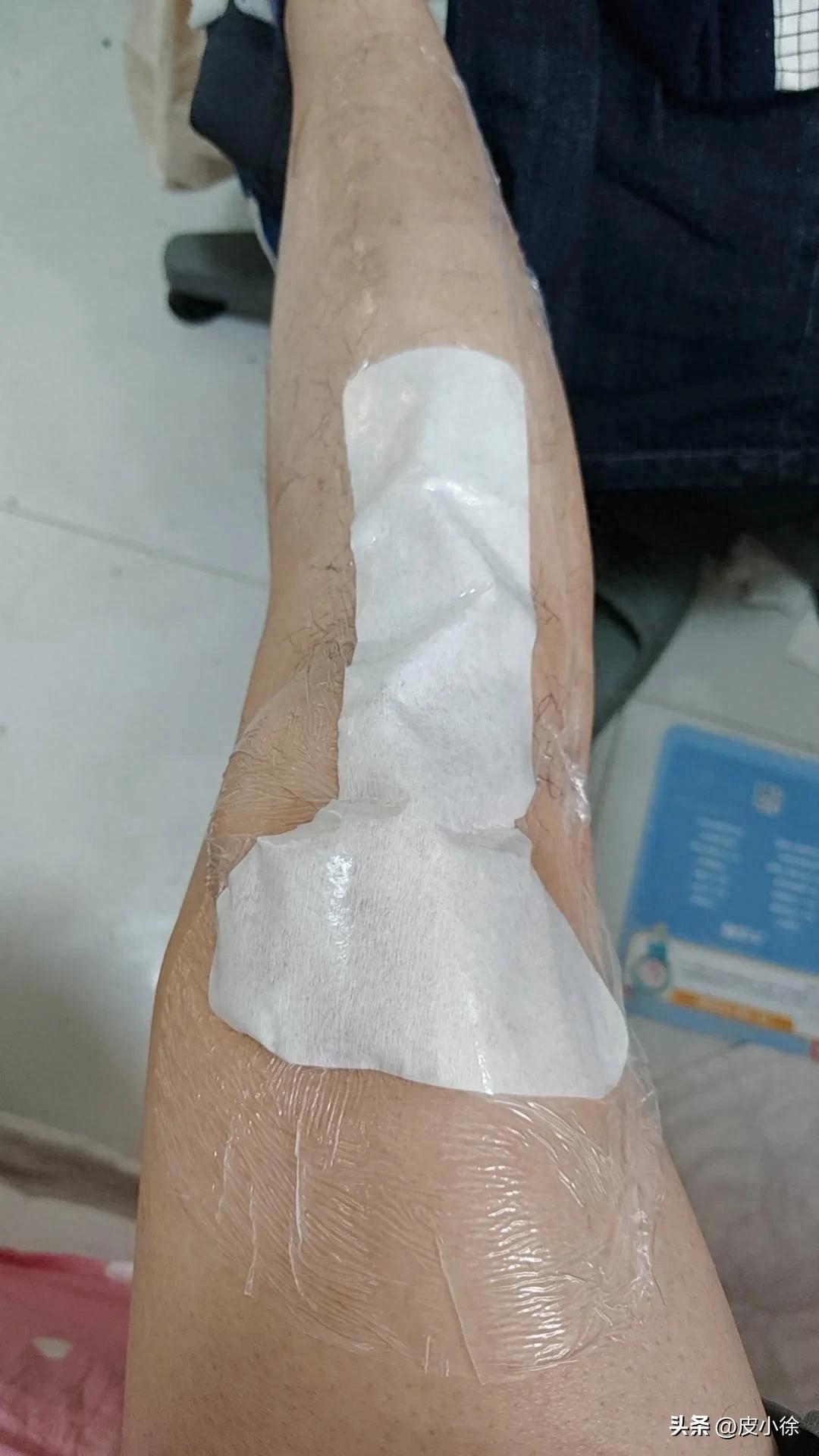
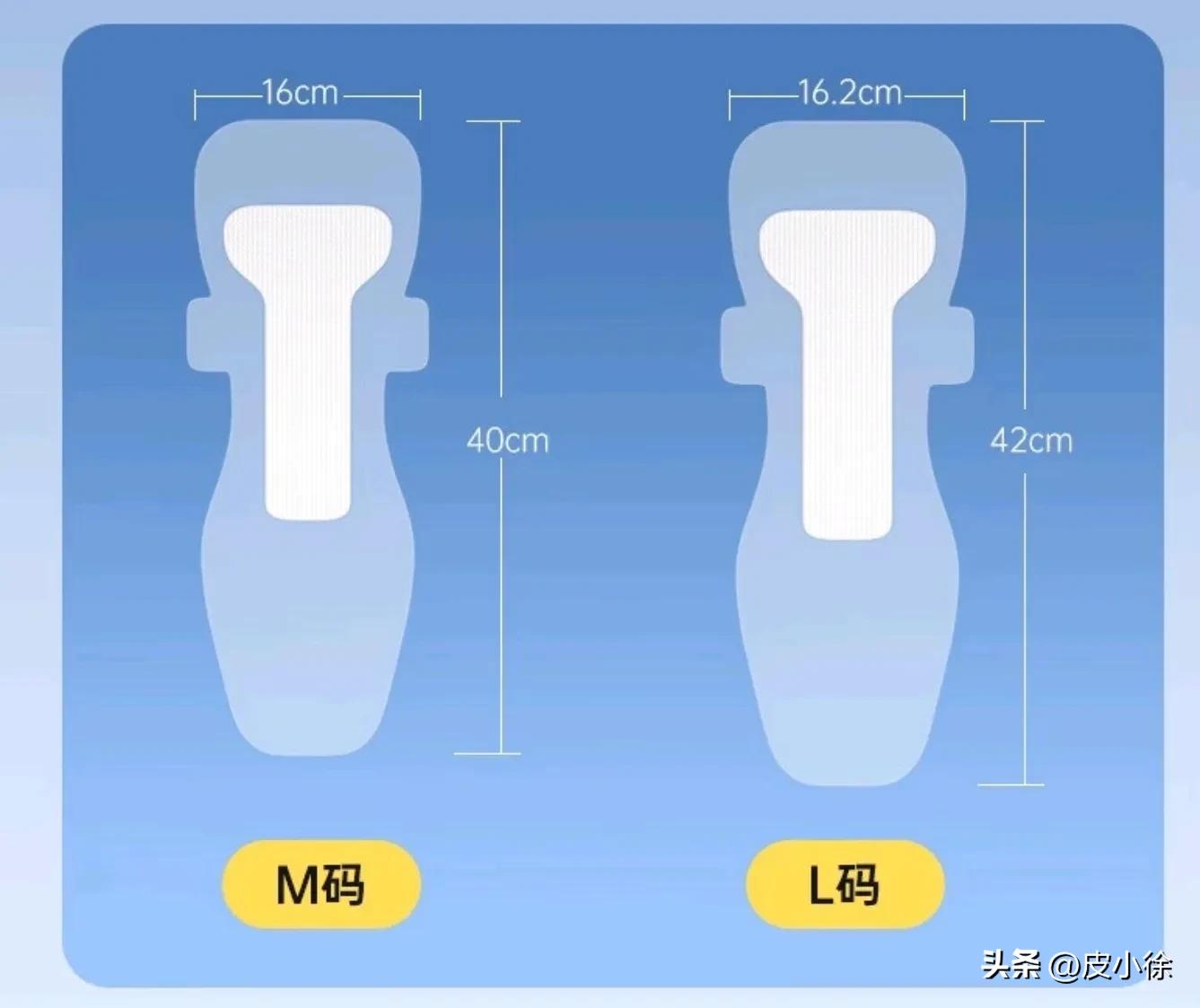
I was curious, so I purchased a feminine private protection patch for swimming online. It turns out it looks quite like a sanitary pad used by women, only longer and larger. After unpacking it, you can see that the white center is medical physiological cotton, and the area covering the medical cotton and its surroundings is medical-grade adhesive. Since I cannot apply it to my private parts here, I applied it to my leg, covering my knee and parts of my thigh and calf. It appears to function entirely as a so-called physical barrier, attempting to isolate the female vulva from contact with external microorganisms through this physical separation.
For a healthy woman, the unique female physiological structure acts as a barrier against external pathogenic microorganisms. Furthermore, the female reproductive organs have a self-cleaning function. Therefore, if one swims in a regulated swimming pool with clean water quality and practices timely showering and cleaning before and after swimming, there is no need to worry about contracting gynecological diseases.
If a woman is around her menstrual period, or is experiencing conditions such as urinary tract infections, misuse of antibiotics, pregnancy, or autoimmune diseases, it may lead to changes in the vaginal flora and a decrease in defense mechanisms. Consequently, she may be infected by certain pathogens, potentially leading to gynecological diseases such as vaginitis. In such cases, prolonged swimming should be avoided. However, this does not mean that swimming itself causes these gynecological diseases; rather, swimming facilities with substandard water quality may exacerbate existing gynecological conditions.
The user experience of these feminine private protection patches for swimming is not particularly good. As you can see from Figure 1 where I applied it to my leg, it is difficult to apply correctly and tends to become wrinkled if not done carefully. Due to continuous movement in the water, it cannot achieve the required physical isolation effect. Moreover, prolonged skin contact of this nature may increase the water content of the local skin and mucosa, making the area more humid; whether this further induces vaginitis is difficult to say. Additionally, some individuals may be allergic to these materials, leading to contact dermatitis with symptoms such as localized redness and itching.
Therefore, regarding feminine intimate protective patches for swimming, I personally maintain a conservative recommendation. If you would like to give them a try, you certainly may, and feel free to share your user experience with me afterward.
By the way, it is worth noting that whether a woman is currently healthy or already has a gynecological condition, there is absolutely no need to worry about contracting sexually transmitted diseases (STDs) in a swimming pool. Specifically, swimming will not transmit condyloma acuminatum (genital warts), syphilis, HIV/AIDS, gonorrhea, chlamydia, or genital herpes. This is because neither the pool water, the pool edges, nor the benches contain a sufficient viral or bacterial load, nor do they provide a viable route of transmission. Furthermore, your skin and mucous membranes possess a robust barrier function.
As for whether you can use private area protective patches, it also depends on your own understanding of such protective products.
The above is only my personal suggestion and is for reference only.