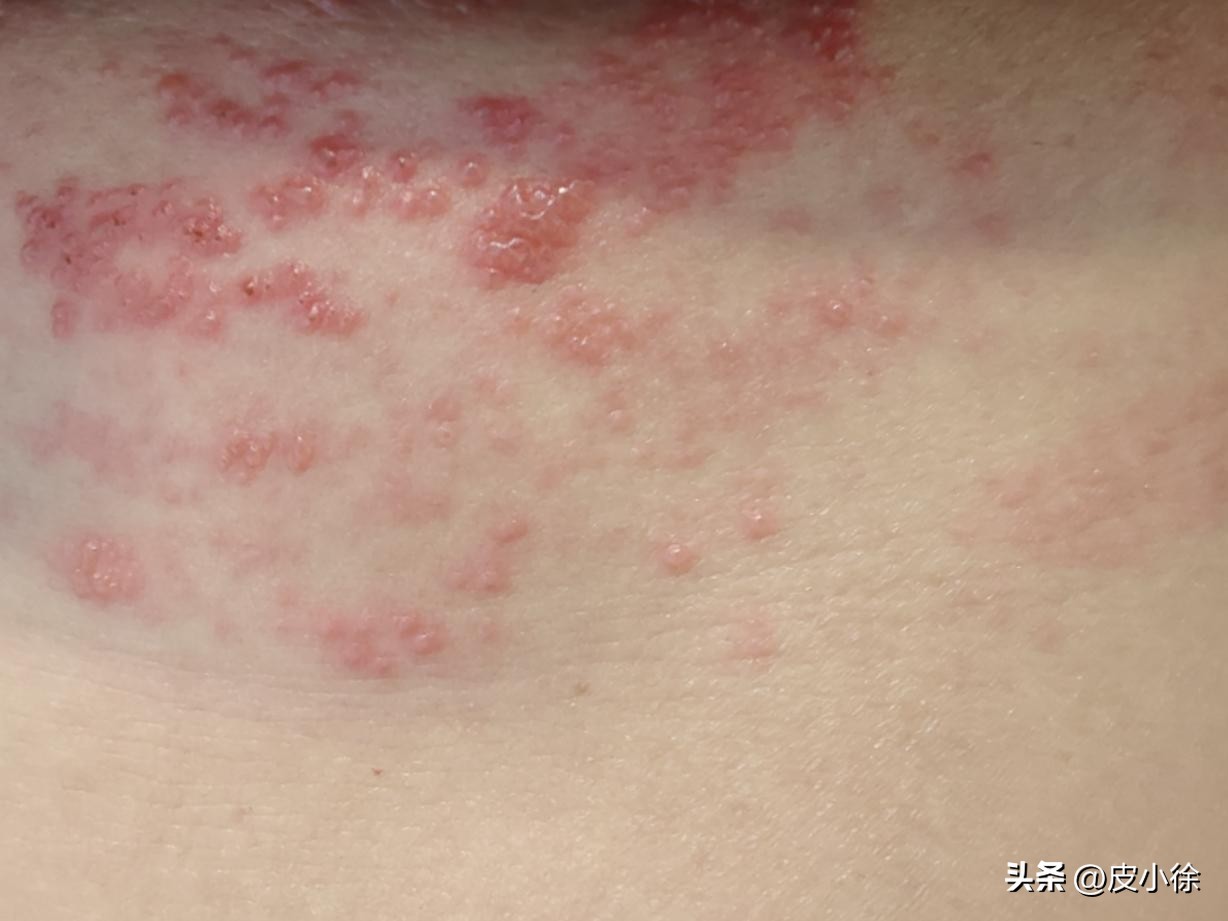
What is Herpes Zoster? How long does it take to cure?
In folk tradition, herpes zoster is referred to as "Snake Around the Waist," "Waist-Wrapping Snake," or "Waist-Wrapping Dragon," because its morphology and distribution resemble the appearance of a snake and it frequently occurs around the waist. Folklore suggests that if the "waist-wrapping snake" completes a full circle around the waist, the person will perish. Consequently, there are many folk "treatments" for this condition, such as chanting incantations and drawing talismans, or using ink to circle the rash and drawing two lines through the middle in a so-called "snake-slaying" method. Other methods include applying incinerated ash or crushed loach juice to the skin, or even allowing centipedes or cockroaches to crawl over the skin, among various other unconventional treatments.
These methods are products of an era with underdeveloped scientific knowledge and should have been phased out long ago; however, many people still believe in these folk remedies today, thinking they are more effective than scientific treatments. If you are reading this article, I strongly recommend adopting scientific methods to actively treat herpes zoster to avoid prolonged postherpetic neuralgia (PHN). The resulting neuralgia is exceptionally difficult to endure, and even the most advanced pain management techniques have their limitations; for many, the nerve pain is truly unbearable.

There are two reasons why one develops herpes zoster (shingles). First, having had chickenpox or being infected with the varicella-zoster virus during childhood, after which the virus persists in the nerve roots in a latent state. Second, various factors—such as work fatigue, staying up late, psychological stress, family conflicts, the common cold, COVID-19, etc.—lead to a decline in the body's immunity. This triggers the reactivation and outbreak of the virus, resulting in erythema, papules, vesicles, or even bullae and hemorrhagic blisters distributed unilaterally along the affected nerve, accompanied by varying degrees of neuralgia.
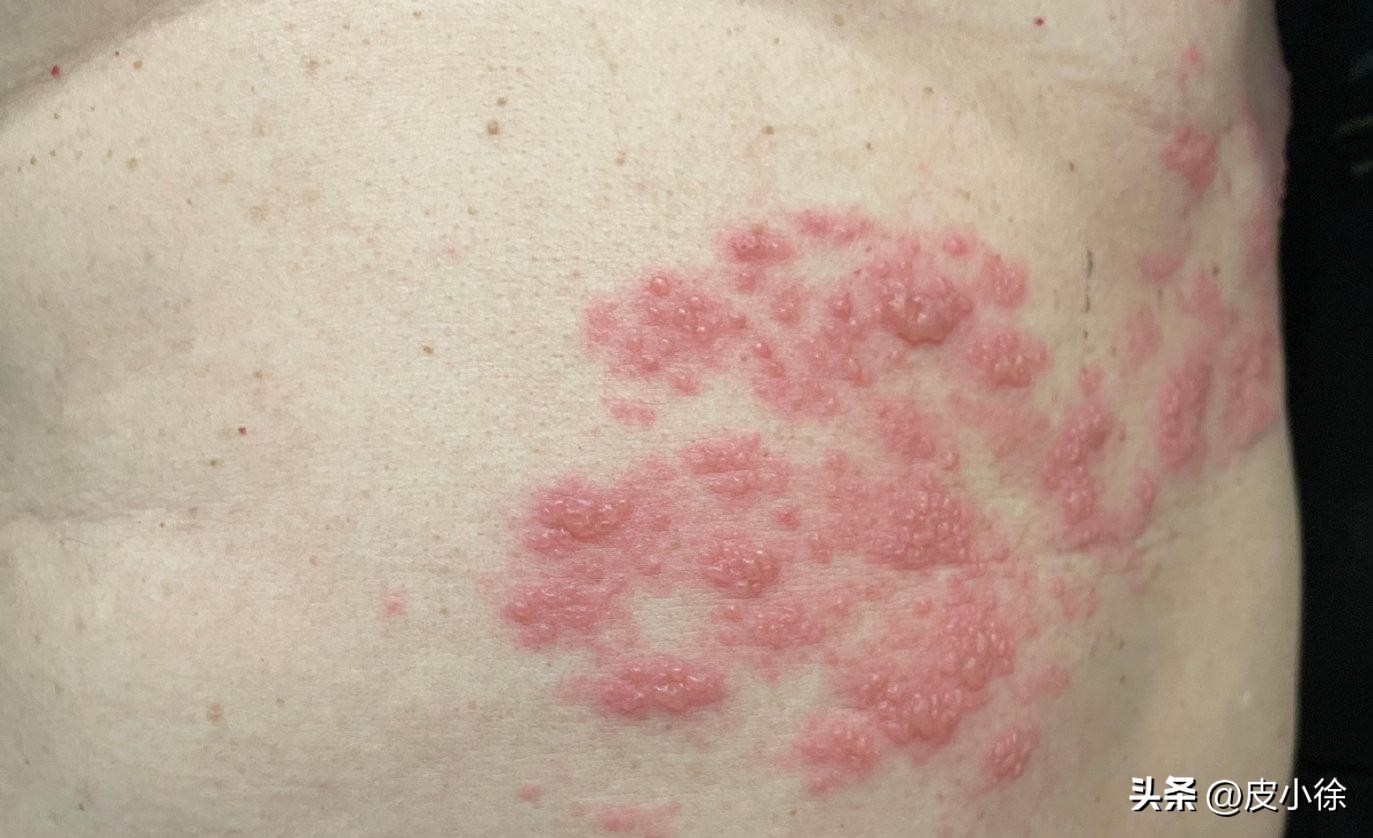
The perspective of Western medicine is that it is most critical to administer an adequate dose and full course of antiviral medication promptly within 72 hours of onset. This is supplemented by neurotrophic drugs, analgesics, and topical antiviral or anti-infective agents for comprehensive treatment; infrared radiation therapy is also sometimes utilized. The goals of treatment are to promote the rapid absorption of blisters, reduce or prevent the occurrence of neuralgia, and improve the patient's quality of life.
Herpes zoster is generally considered curable within 3 to 4 weeks. However, once postherpetic neuralgia (PHN) occurs, the duration becomes uncertain—lasting over a month for some, two to three months or half a year for others, and even several years for some patients. At this stage, dermatologists may no longer have highly effective solutions, and it becomes necessary to seek comprehensive treatment from departments such as pain management, traditional Chinese medicine, and rehabilitation.
Some people ask me if there are any effective ways to prevent herpes zoster. Certainly, strengthening physical exercise and avoiding staying up late, high stress, and mental tension can all enhance one's immunity, thereby helping to prevent various diseases associated with low immunity, including herpes zoster.
Most importantly, individuals over the age of 50 can receive the recombinant zoster vaccine, while those over 40 can receive the domestic vaccine; both are effective in preventing the occurrence of herpes zoster. However, you should not go to a Grade A tertiary hospital for vaccination; instead, you should go to your local community health center, as vaccines are stocked in the preventive healthcare departments or vaccination centers of community hospitals. It is reported that in a couple of years, the eligible age for the recombinant zoster vaccine will be lowered to include immunocompromised populations over the age of 18. If that happens, I believe many more patients will benefit. Of course, it would be even better if the price of the vaccine could be reduced accordingly as the eligible age for vaccination decreases.