Is dyshidrotic eczema contagious if the blisters burst?
Dyshidrotic eczema is essentially an allergic skin disease and is considered a specific type of eczema. Since it is an allergic condition, it involves no pathogens or microorganisms; therefore, it is not contagious. Even if the blisters burst, it will not spread to others.
However, as the weather gets hotter, the number of patients with dyshidrotic eczema gradually increases. Many people develop dense small blisters on their palms and fingers, which are accompanied by intense itching. In the later stages, as the blisters dry up, significant peeling will occur.
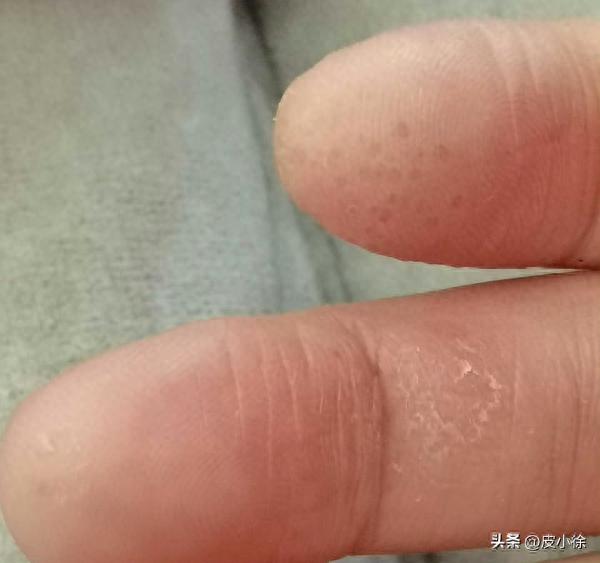
In the early stages, due to intense itching, many people may intentionally or unintentionally squeeze or puncture the blisters to relieve the pruritus. In fact, when the itching first begins, topical corticosteroids such as Mometasone Furoate Cream or Halometasone Cream can be applied locally for anti-inflammatory and antipruritic effects. During the later desquamation (peeling) stage, Urea Cream or hand moisturizer can be used for relief.

Although dyshidrotic eczema can be treated during each flare-up, there is currently no permanent cure. This is primarily because the etiology of dyshidrotic eczema remains unclear. It is believed to be related to abnormal sweating (dyshidrosis) or hyperhidrosis of the hands and feet. In some individuals, it may be associated with contact with certain metallic substances, while in others, the condition may be exacerbated after contact with chemical substances such as laundry detergents or dish soaps. When performing extensive household chores, one can wear gloves during a flare-up of dyshidrotic eczema.
Many skin diseases can be alleviated, controlled, and improved, but cannot be permanently cured; dyshidrotic eczema is no exception. Symptomatic treatment during flare-ups is sufficient.