Can facial acne heal on its own?
What we commonly refer to as "pimples" is acne vulgaris, a facial skin disease characteristic of young people. The primary causes involve multiple factors, including vigorous androgen metabolism, excessive facial sebum secretion, obstruction of the follicular hyperkeratosis (plugging of the pilosebaceous unit), overgrowth of *Cutibacterium acnes* (formerly *Propionibacterium acnes*), and the resulting inflammatory response. When girls present with signs of Polycystic Ovary Syndrome (PCOS)—such as menstrual irregularities, androgenetic alopecia, and severe acne—it serves as a reminder that sex hormone testing and gynecological color Doppler ultrasound are necessary, with a consultation from a gynecologist if required.
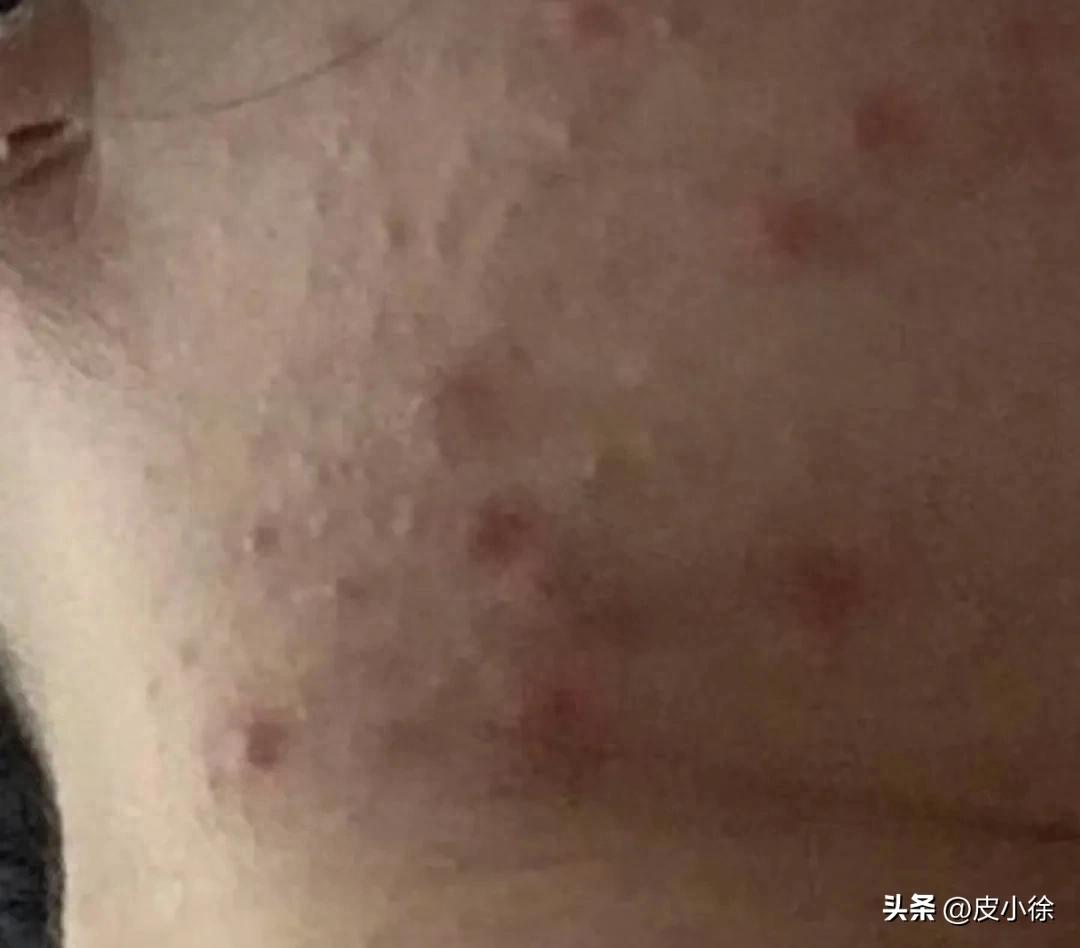
Acne is classified into different grades: if there are only a few comedones, it is considered mild; if there are inflammatory papules, it is moderate; if pustules appear, it is moderate-to-severe; and if cysts and nodules develop, it is classified as severe acne. Mild acne has a tendency to resolve spontaneously, meaning it can return to normal on its own. However, if there are numerous inflammatory lesions and no intervention is taken, they may form prominent post-inflammatory erythema (red marks) or post-inflammatory hyperpigmentation (black marks). In cases of more severe inflammation, including cysts and nodules, permanent atrophic scarring (pitted scars) or even hypertrophic scars may form. This becomes problematic because pitted scars cannot be completely eliminated; existing medical aesthetic procedures can only improve their appearance rather than provide a total cure.
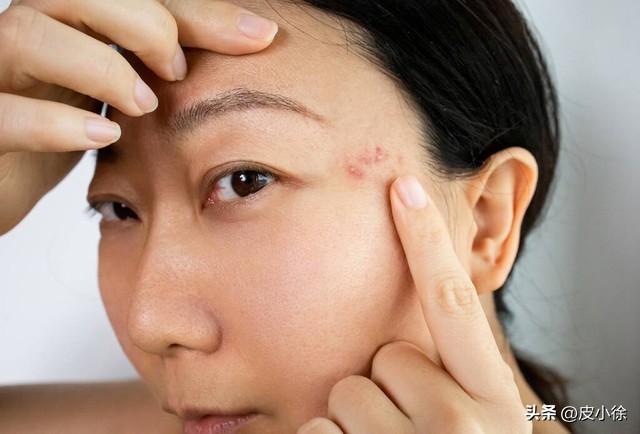
Therefore, the goal of treating acne is not to achieve a permanent cure, but rather to reduce post-inflammatory hyperpigmentation (acne marks) and prevent the formation of atrophic scars (acne pits). Once this is understood, we must abandon the mindset of seeking a "one-time permanent cure" and instead approach the acne on our faces objectively and calmly, utilizing available medical treatments effectively.
Acne vulgaris is a skin disease; therefore, it requires diagnosis and treatment by a dermatologist.
1. For mild acne consisting only of comedones, we can consistently apply topical retinoids such as Tretinoin cream, Adapalene gel, or Isotretinoin gel at night.
2. If inflammatory acne lesions are also present, topical Fusidic acid or Clindamycin gel can be added for daytime use. If there are numerous inflammatory lesions, oral tetracyclines, such as Doxycycline or Minocycline, may be administered under the guidance of a physician for treatment.
3. If a significant number of cystic nodules appear or if the acne is recurrent and resistant to healing, oral Isotretinoin Soft Capsules may be administered under a physician's guidance for a full dosage and course of treatment. However, attention must be paid to the drug's side effects, such as pregnancy contraindications, skin dryness, and the necessity of regular follow-up examinations.
4. Once the acne is well-controlled, post-inflammatory erythema or hyperpigmentation (acne marks) can be treated with Intense Pulsed Light (IPL), chemical peels using Alpha Hydroxy Acid (AHA), or Salicylic Acid peels. For atrophic acne scars (pitting), a comprehensive approach involving fractional laser therapy, gold microneedling, subcision, or fat grafting can be utilized for improvement.
5. Maintain a scientific understanding of acne. It is unrealistic to expect that spending large sums of money on treating acne marks and scars will definitely restore your skin to the smooth texture of your early teens. No matter how much is spent, the goal is to make the acne scars shallower and improve the visual appearance, making the skin look more aesthetically pleasing.

Therefore, the treatment of facial acne should be initiated as early as possible. Do not delay treatment, do not squeeze the lesions, and do not blindly seek so-called "manual extraction" treatments at beauty salons. Furthermore, do not rely on folk remedies or blindly trust various anti-acne skincare products. It is essential to adopt a scientific and systematic approach to treating facial acne to minimize skin damage, prevent the formation of permanent scarring, and avoid disfiguring skin conditions. You must learn to care for your own skin by practicing minimalist skincare and responding to acne scientifically, without being reckless or excessive.
I wish you a beautiful face and perfect facial skin.