Why are more and more people experiencing hair thinning, hair loss, and even baldness nowadays?
Indeed, the number of patients with alopecia is increasing, and more and more patients are seeking medical consultation at hospitals. This is because hair affects both a person's physical appearance and their psychological well-being.
Our hair has its own growth cycle. When hair reaches a certain stage, it sheds naturally; simultaneously, an equivalent amount of hair begins to grow. However, since the shed hairs are long terminal hairs and the new growth consists of small vellus hairs, the process is not particularly noticeable. Because the amount of hair lost and the amount of new growth remain equal, a dynamic stability in overall hair quantity and density is maintained. Therefore, under normal conditions, the overall hair density remains standard, and the hair appears thick and lush.
If the daily quantity of hair loss exceeds the amount of hair growth and persists for a considerable period, pathological alopecia may occur. It is normal to lose 50 to 100 hairs per day, which falls within the range of physiological hair loss. If the hair loss exceeds this amount, and the hair density becomes increasingly sparse, or the hair becomes soft and thin, it may indicate pathological alopecia, requiring an investigation into the cause and subsequent intervention.
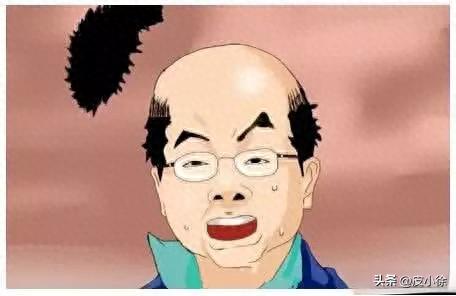
What we commonly refer to as "balding" often refers to androgenetic alopecia (AGA), also known as seborrheic alopecia. It can occur in both men and women and is primarily regulated by genetic factors. In China, approximately two-thirds of male androgenetic alopecia cases are influenced by hereditary genes. On average, one in five adult men and one in twenty adult women suffer from androgenetic alopecia. While factors such as staying up late, anxiety, and high stress may exacerbate androgenetic alopecia, they are not the primary causes but rather accelerating factors. There are no preventive methods for androgenetic alopecia because the genetic predisposition is fixed and unavoidable. Treatment options do exist: men require long-term oral administration of 1 mg Finasteride and topical Minoxidil, while women primarily use topical Minoxidil. Under a doctor's guidance, women may also appropriately take oral anti-androgen medications, such as Spironolactone or Diane-35 (containing cyproterone acetate and ethinylestradiol). However, some individuals may not respond well to treatment. Hair transplantation is also an option, though it should be considered based on one's individual circumstances and means.
Another common type is alopecia areata, which is an autoimmune hair disorder. It can be localized (see image below), occur over large areas, involve the loss of all scalp hair (alopecia totalis), or in more severe cases, involve the loss of all body hair, including eyebrows, axillary hair, and pubic hair (alopecia universalis). Localized hair loss can resolve spontaneously, whereas alopecia totalis or alopecia universalis may require more potent pharmacological treatments, such as current JAK inhibitors. When an individual experiences large-scale diffuse hair loss within a short period, diffuse alopecia areata (see image below) should be considered and differentiated from androgenetic alopecia. When alopecia areata occurs, some individuals have comorbid thyroid diseases, necessitating thyroid function and immunological testing. Furthermore, excessive psychological anxiety and extreme stress may also trigger alopecia areata, which warrants attention.
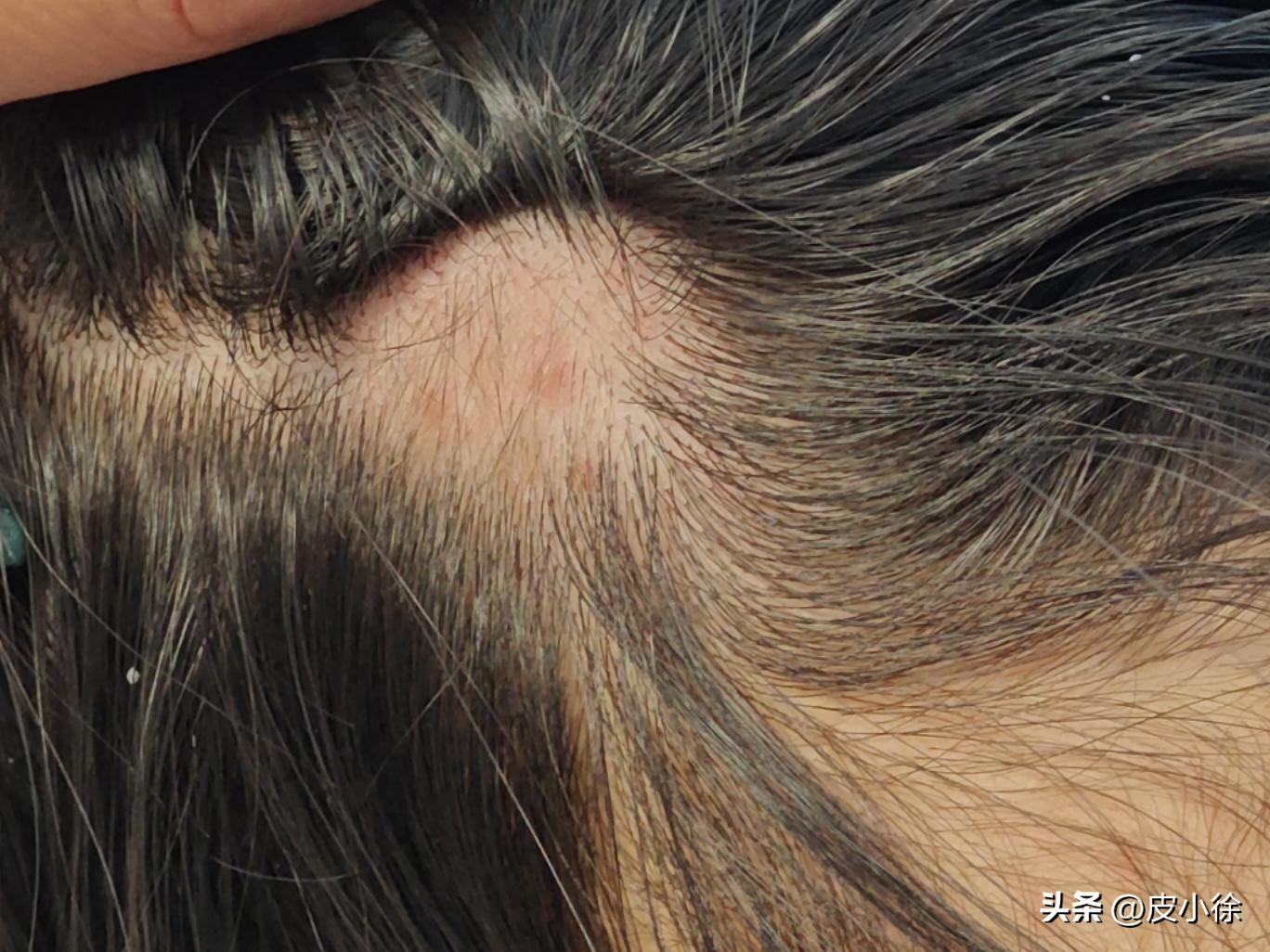
(Localized Alopecia Areata)
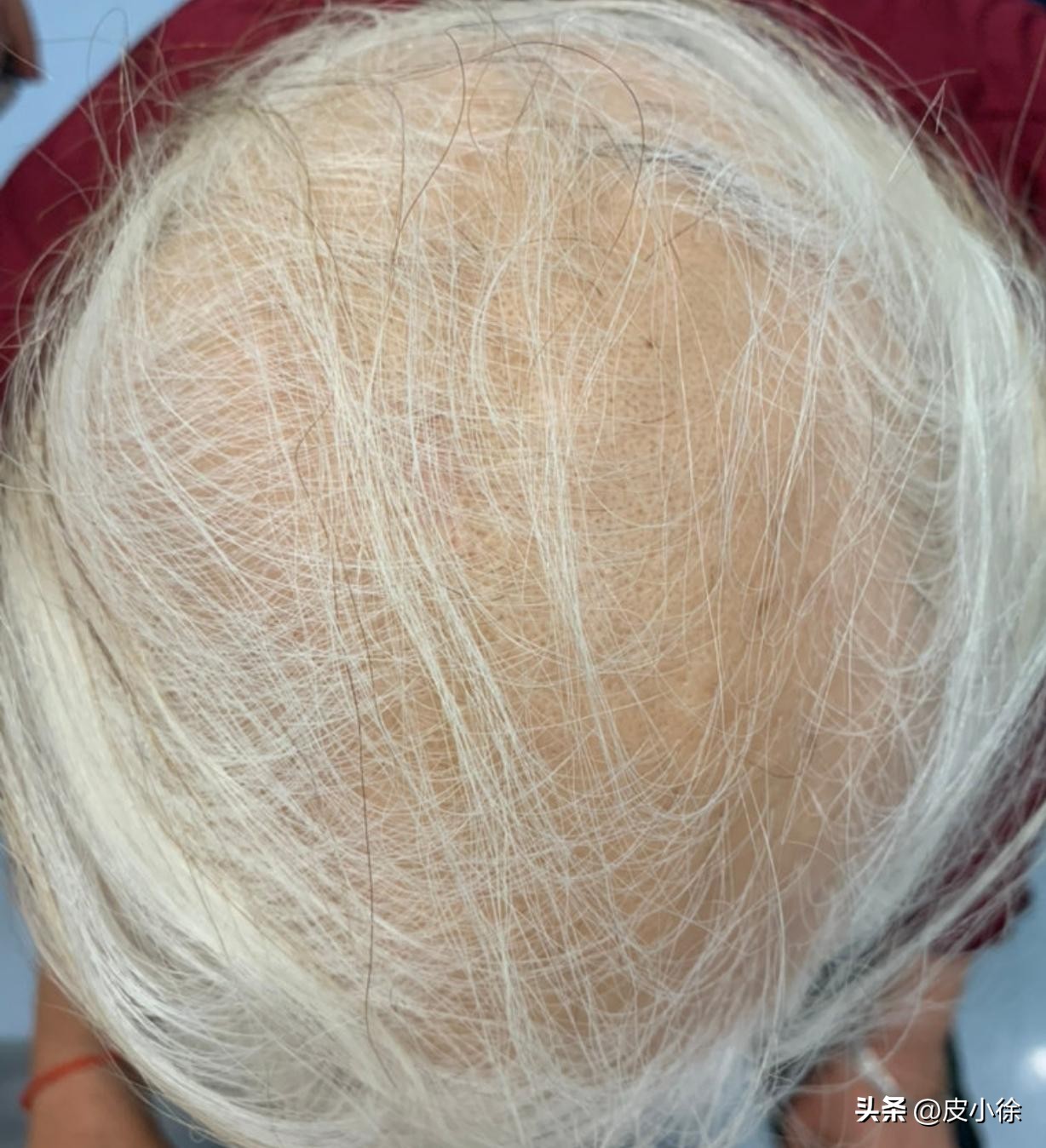
(Diffuse alopecia areata)
Of course, we also encounter other types of hair loss in the outpatient clinic. For example, telogen effluvium induced by childbirth, excessive weight loss, severe infections, or surgery; anagen effluvium caused by tumor chemotherapy drugs or radiotherapy; trichotillomania resulting from mental or psychological issues; and various types of scarring alopecia, such as lichen planopilaris, trauma, dissecting cellulitis of the scalp (perifolliculitis capitis abscedens et suffodiens), and tinea capitis. There are many types of hair loss, which require dermatologists to better diagnose and provide symptomatic treatment for patients. We can make comprehensive judgments with the assistance of trichoscopy, auxiliary examinations, and pathology.
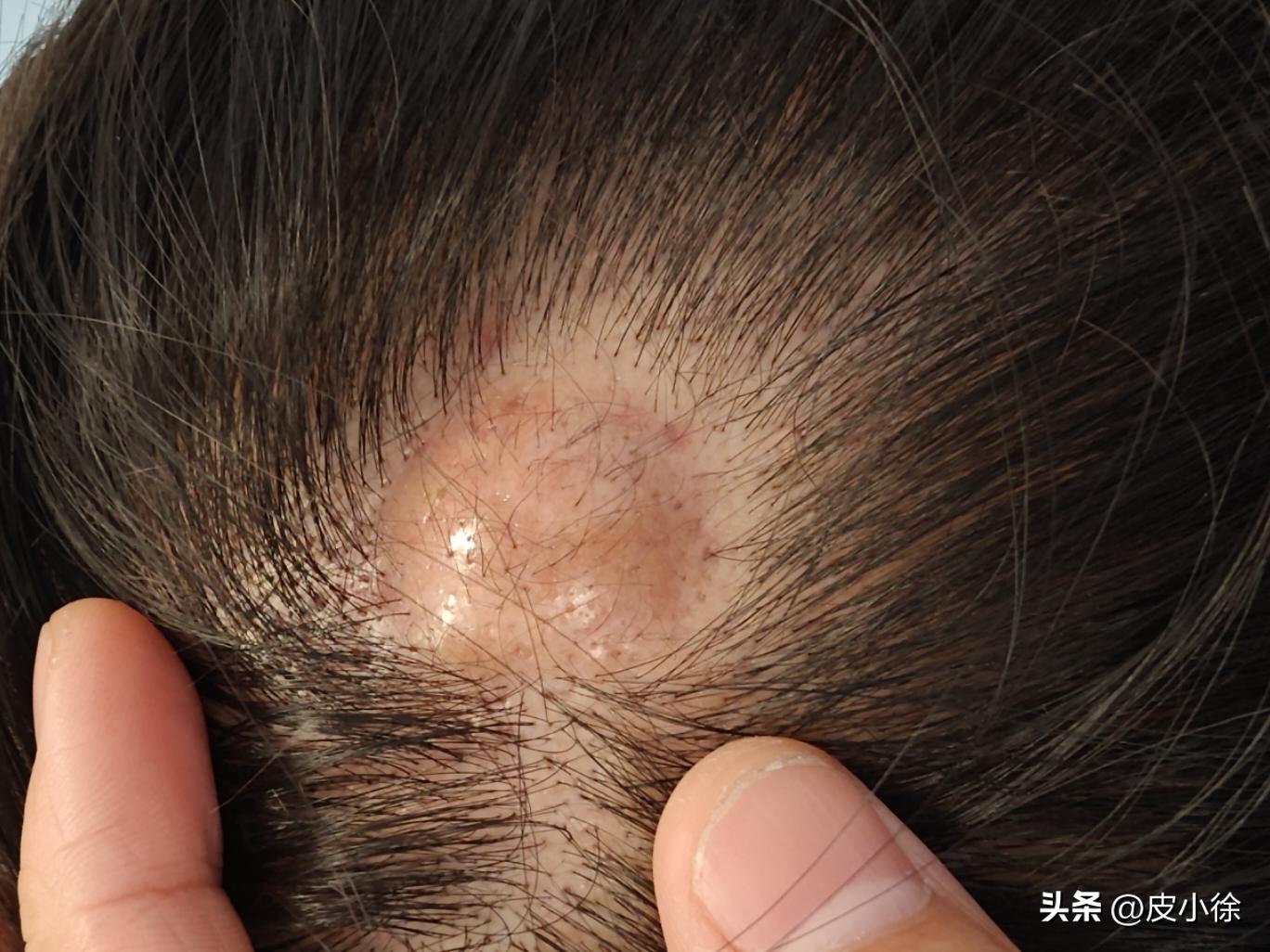
(Secondary alopecia)
Therefore, when you experience hair loss issues, your first choice of department should be Dermatology, as hair disorders fall within the scope of dermatological treatment.