Is the prevalence of intra-anal condyloma acuminatum high?
Yes, it is.
In fact, there are quite a large number of patients with intra-anal condyloma acuminatum. However, treating intra-anal condyloma acuminatum presents certain difficulties, primarily due to the specific anatomical structure, which requires the use of an anoscope for examination and treatment. In the dermatology departments of most hospitals, the lack of anoscopes makes it impossible to diagnose and treat intra-anal condyloma acuminatum.
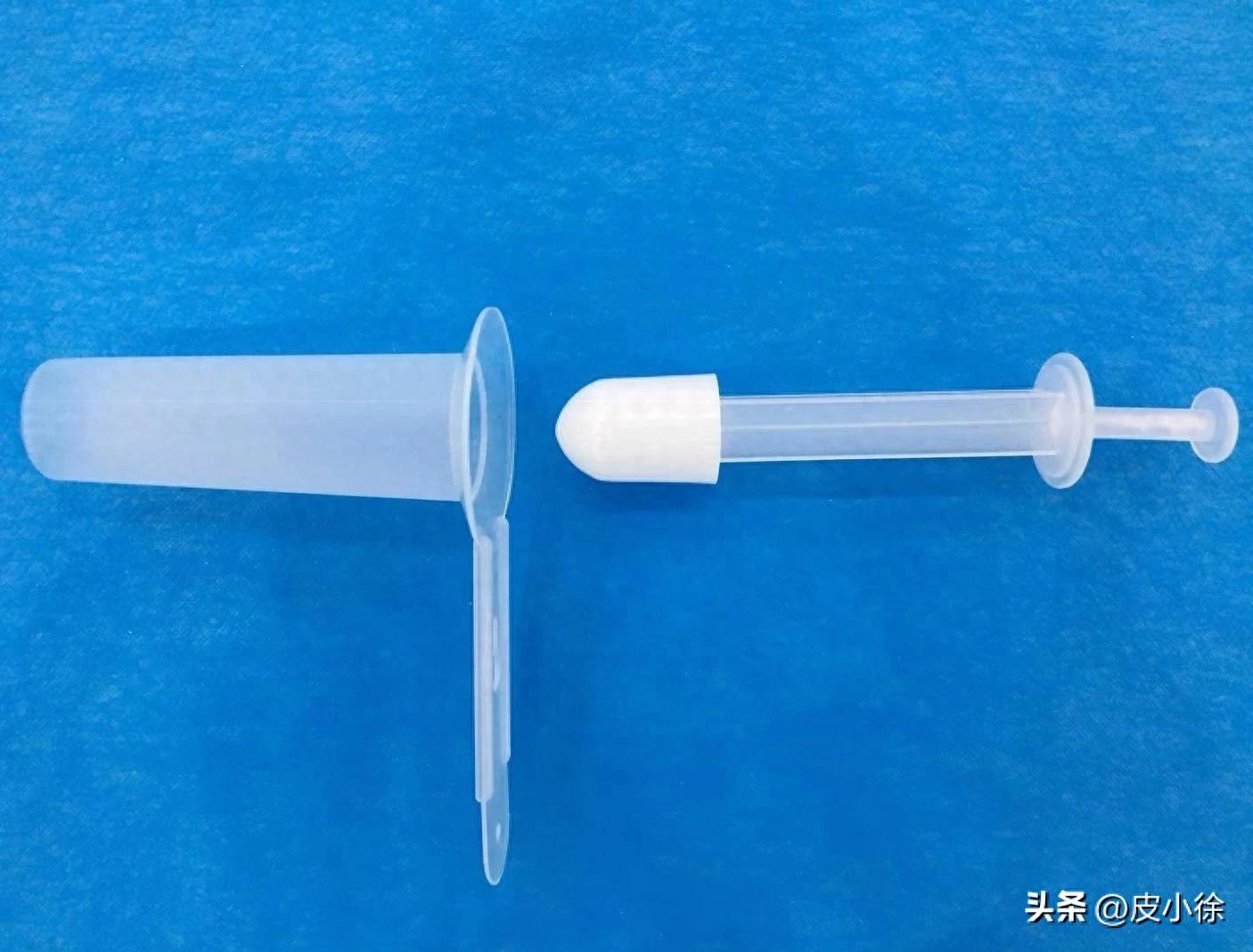
However, many hospital dermatology departments are equipped with an anoscope for the diagnosis and treatment of intra-anal condyloma acuminatum. Treatment options may include laser therapy, topical imiquimod cream, or combined photodynamic therapy (PDT).
The recurrence frequency of intra-anal condyloma acuminatum varies from person to person; some individuals experience high recurrence rates while others experience low rates. However, with regular follow-up examinations and prompt treatment upon detection, intra-anal condyloma acuminatum is entirely curable.
Nevertheless, the vast majority of patients with intra-anal condyloma acuminatum have a history of receptive anal intercourse, meaning the majority are likely men who have sex with men (MSM). Therefore, when a patient is diagnosed with intra-anal condyloma acuminatum, dermatologists routinely recommend screening for syphilis and HIV. This is because the presence of syphilis or HIV can lead to persistent recurrences of condyloma acuminatum, and may even result in the development of giant condyloma acuminatum (Buschke-Löwenstein tumor) due to compromised immunity, significantly increasing the difficulty of treatment.

The proctology departments in many hospitals can also provide treatment for intra-anal condyloma acuminatum. Therefore, if the dermatology department at a local hospital is unable to perform examinations or treatment for intra-anal condyloma acuminatum, one may consult an anorectal surgeon to see if they can manage the condition.
In summary, intra-anal condyloma acuminatum is curable; however, it requires an investment of time, energy, money, and patience. Persistence is the key to victory.