Sudden Onset of Herpes Zoster in the Elderly: It Can Be Itchy Instead of Painful, but Beware of Postherpetic Neuralgia
An elderly patient presented with pain in the right shoulder, back, and head. Neurology performed a cranial CT and cervical spine X-ray, both of which were unremarkable. One day ago, "bumps" were discovered on the neck. The patient sought emergency care, where the condition was considered an allergy and anti-allergy medications were prescribed; indeed, the patient reported itching rather than pain. Today, the erythema, papules, and vesicles have increased compared to yesterday, leading to a dermatology consultation.
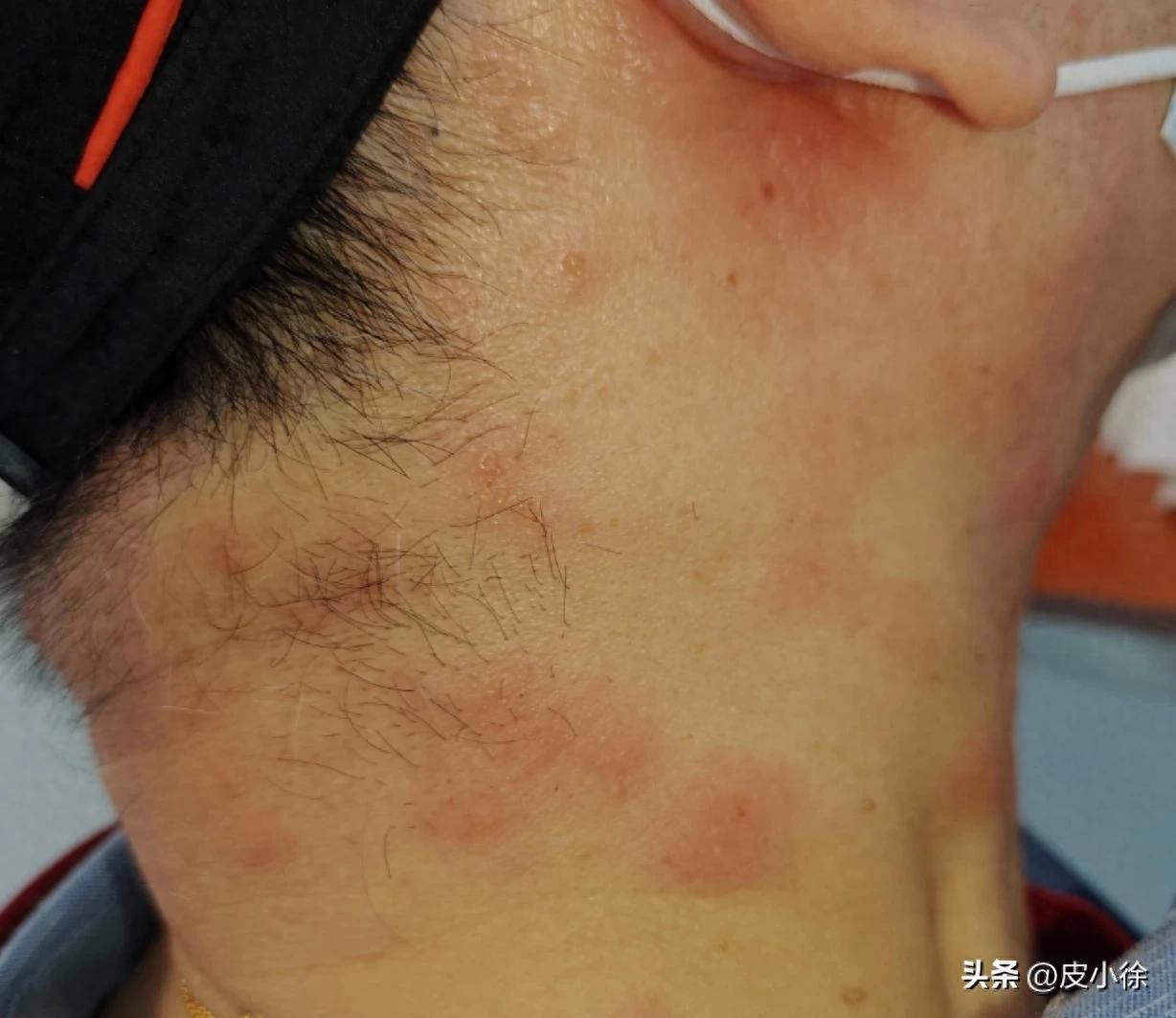
Unilaterally distributed erythema and papules are visible, and under magnification, distinct clusters of vesicles can be seen. This is a classic presentation of Herpes Zoster, commonly known as "shingles." The elderly are a high-risk group for Herpes Zoster due to naturally declining immunity. Prodromal symptoms can mimic a migraine, and a diagnosis can be confirmed once the characteristic erythema, papules, and vesicles appear.
Treatment involves oral antiviral medications, neurotrophic agents, and analgesics, as well as topical antiviral and anti-infective agents. However, one concern is that elderly patients may develop postherpetic neuralgia (PHN). Generally, the more extensive the initial rash and the more severe the pain at onset, the higher the probability of developing PHN. Additionally, the dosages permitted in the package inserts for domestic antiviral drugs, such as valacyclovir or famciclovir, are generally quite low, which is another significant factor that may contribute to postherpetic neuralgia.
When will the package inserts for domestic antiviral drugs like valacyclovir or famciclovir finally be revised?
Figure 2: The Chinese clinical practice guidelines for herpes zoster clearly state that the dosage for valacyclovir in treating herpes zoster is 1000 mg, three times daily.
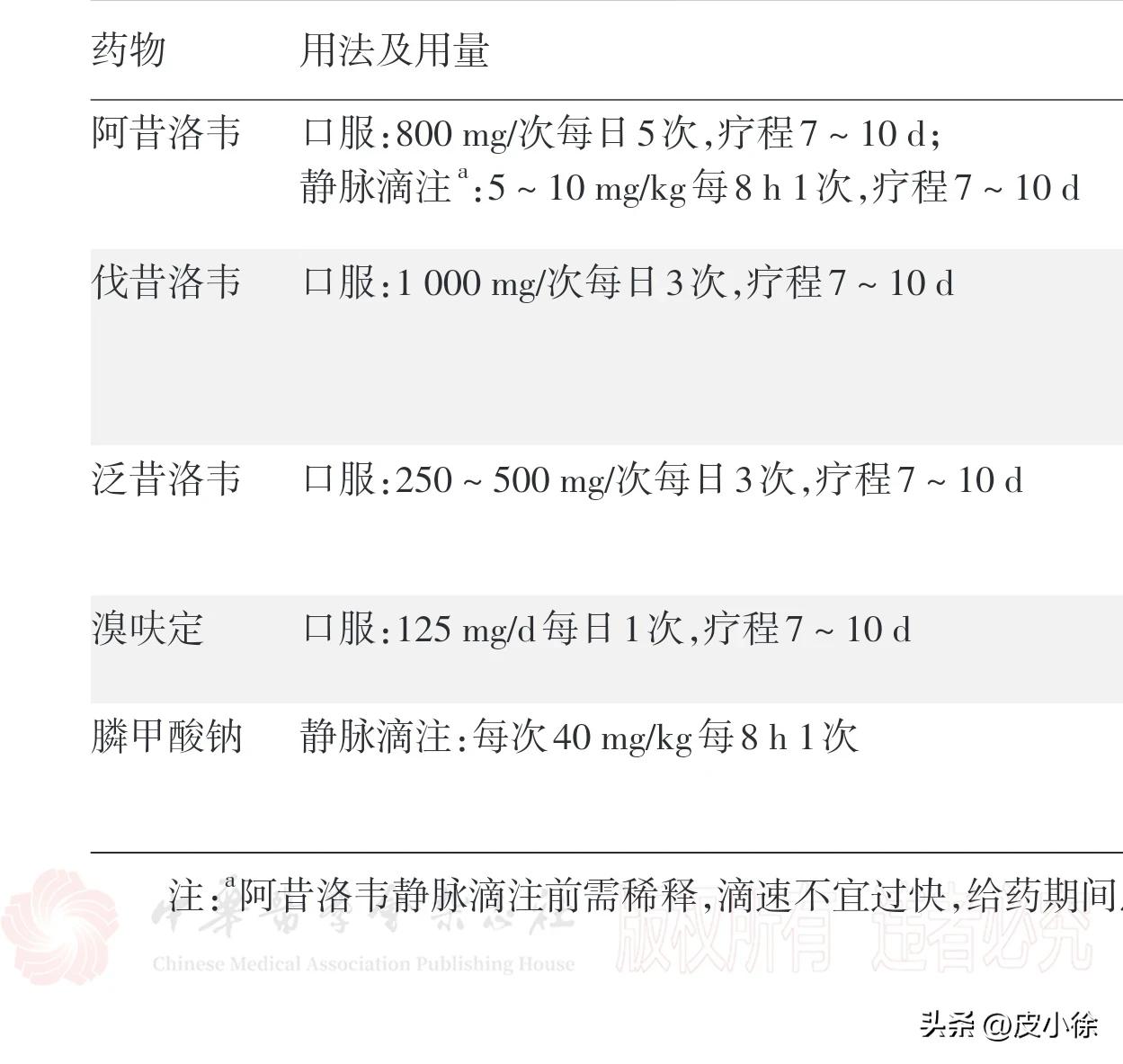
Figure 3: This is imported valacyclovir; the dosage in its package insert is consistent with the clinical practice guidelines.
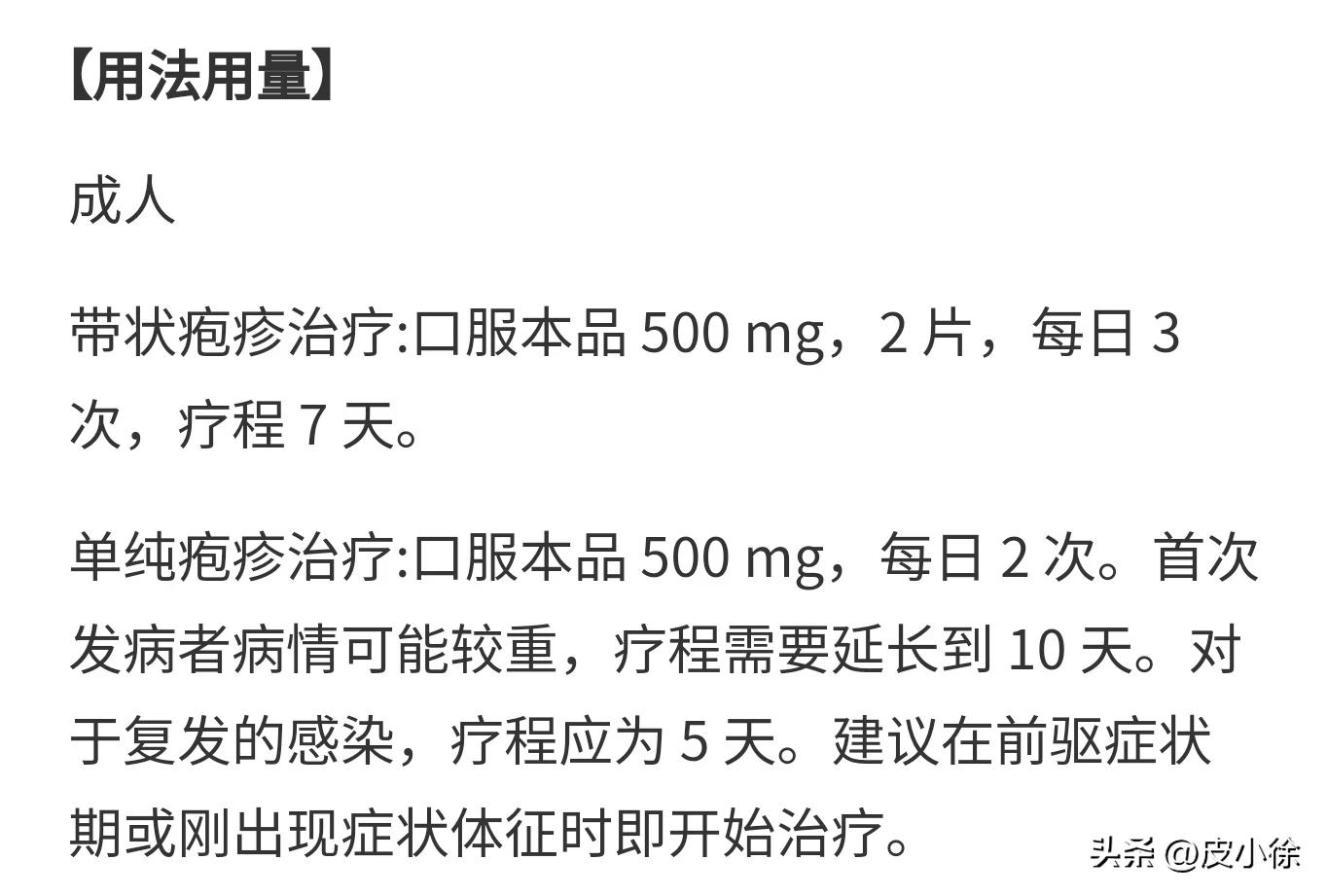
Figure 4: This is domestically produced Valacyclovir; the dosage in its package insert differs significantly from the clinical practice guidelines. It is prescribed as 300 mg twice daily.

If Valacyclovir, as shown in Figure 4, is used to treat herpes zoster, the dosage is far from sufficient. However, there is no alternative, as the Valacyclovir available in domestic hospitals is almost entirely domestically produced, and dermatologists must strictly adhere to the instructions provided in the package insert.