The doctor prescribed tretinoin for acne treatment, why did it cause a breakout instead? Was the wrong medication prescribed?
It is clearly the golden medication for treating acne.
Many people do not know how to use it.

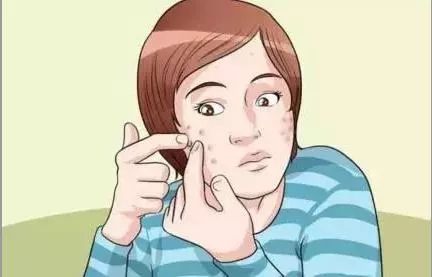
Friends who have been dealing with acne for a long time must be familiar withTretinoinNot unfamiliar, it is one of the mainstream medications for treating acne and inflammatory acne.
However, tretinoin is often questioned by some patients:Why does my face become red, peel, and have more acne after using tretinoinWhat about it?
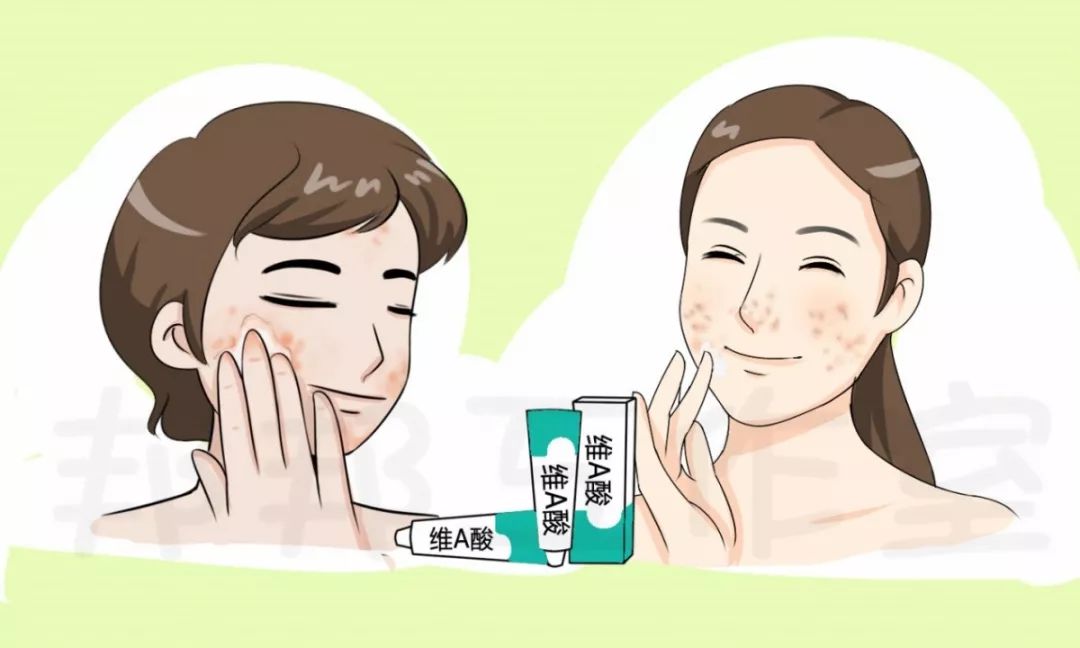
In such a situation, one mayDo not rush to stop taking the medication.Let's first take a detailed look at what exactly is going on.
Do not discontinue; gradually develop drug resistance.
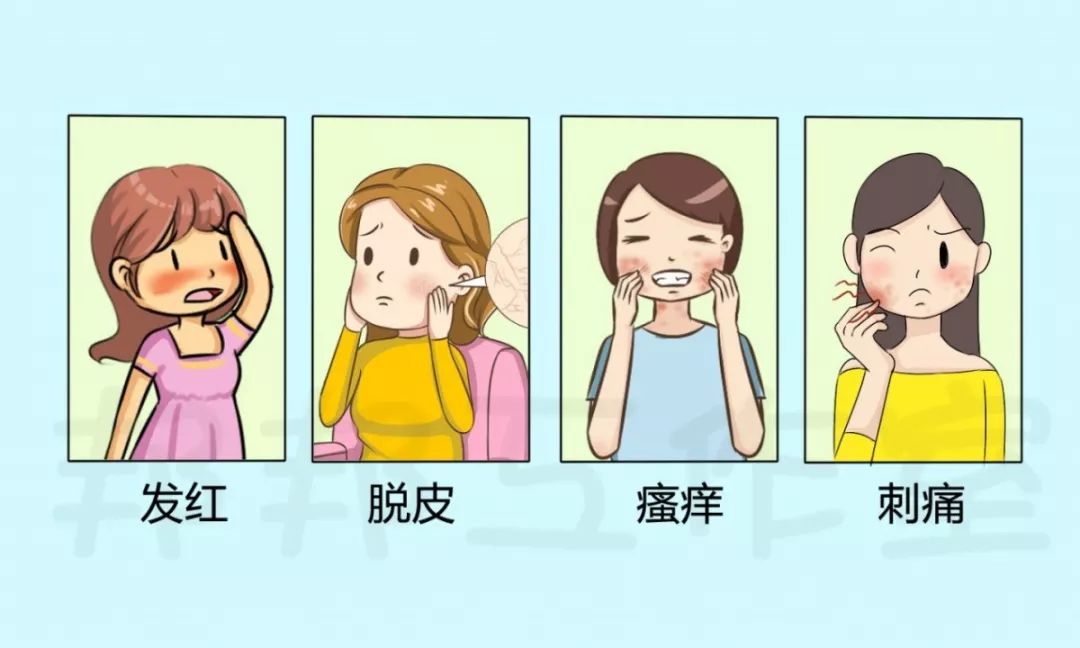
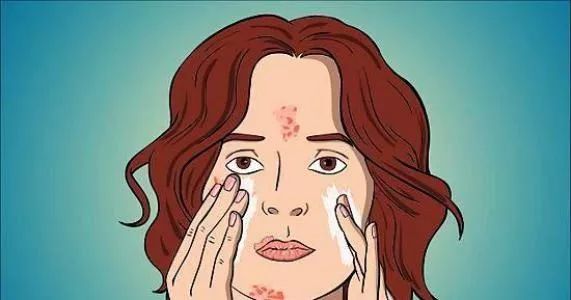
The primary reason for limiting the use of retinoic acid is its irritant effect on the skin.Main manifestationsSkin redness, peeling, accompanied by itching or even stinging, is the most common adverse reaction of topical tretinoin.
The degree of irritation is related to the amount of drug absorption, so during the initial stage of medication, it is important to use a small amount and preferably choose a low-concentration tretinoin cream (0.025%).Gradually build tolerance to the ointment。
How to Build Tolerance
Dip a cotton swab into a small amount of ointment and apply it to the affected area of the skin.A thin layerJust do it.
If symptoms such as redness or stinging occur,Rinse off immediatelyIn the following days, the duration of medication retention can be gradually extended until overnight. Once tolerated, the application area and dosage can be gradually increased.
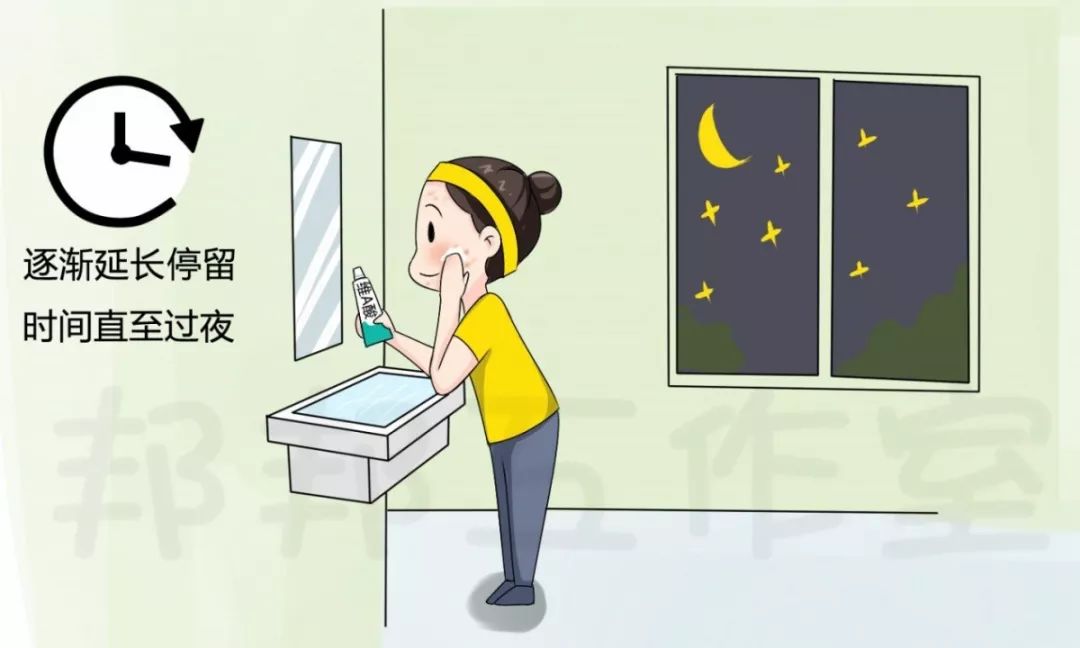
Patients with a strong initial stimulation response may alsoAppropriately reduce the frequency of medicationsuch as using it every other day.
Before use, it can beApply moisturizer first.It can also reduce the irritation caused by retinoic acid.
During the tolerance-building phase, it is recommended toAvoid using tretinoin cream concurrently with other irritating acne treatment products.such as benzoyl peroxide, salicylic acid, and fruit acids.
The process of building tolerance varies from person to person and typically requires1-2 weeksBe patient.
Tretinoin is effective when applied at night.
Retinoic acid decomposes and deactivates upon light exposure, thus it should only be used at night.Apply once before bedtime and wash off the next morning.。
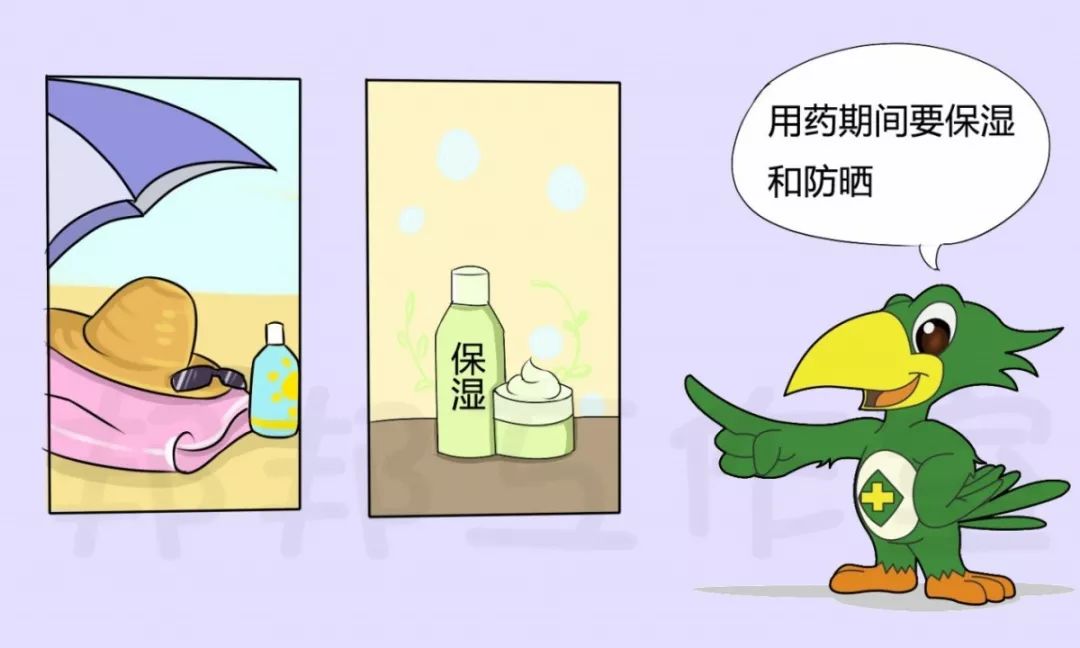
Additionally, during the medication periodUse moisturizing and sun protection productsIt is also important and can effectively alleviate irritation reactions.
However, the light from daily lighting and mobile phone screens is not strong, so there is no need to be overly cautious about this minimal light exposure after applying the medication.
Why do breakouts occur after medication?
In addition to irritation, some patients also complain of using vitaminRetinoic acid can worsen acne.。
In fact, acne may worsen during the first month of treatment.Very normalThis reaction occurs because the keratin in the follicular epithelium becomes loose, causing the original deeper acne lesions to protrude outward, making the acne appear more prominent to the naked eye.It is not a true "worsening"; improvement will gradually occur with continued medication.。
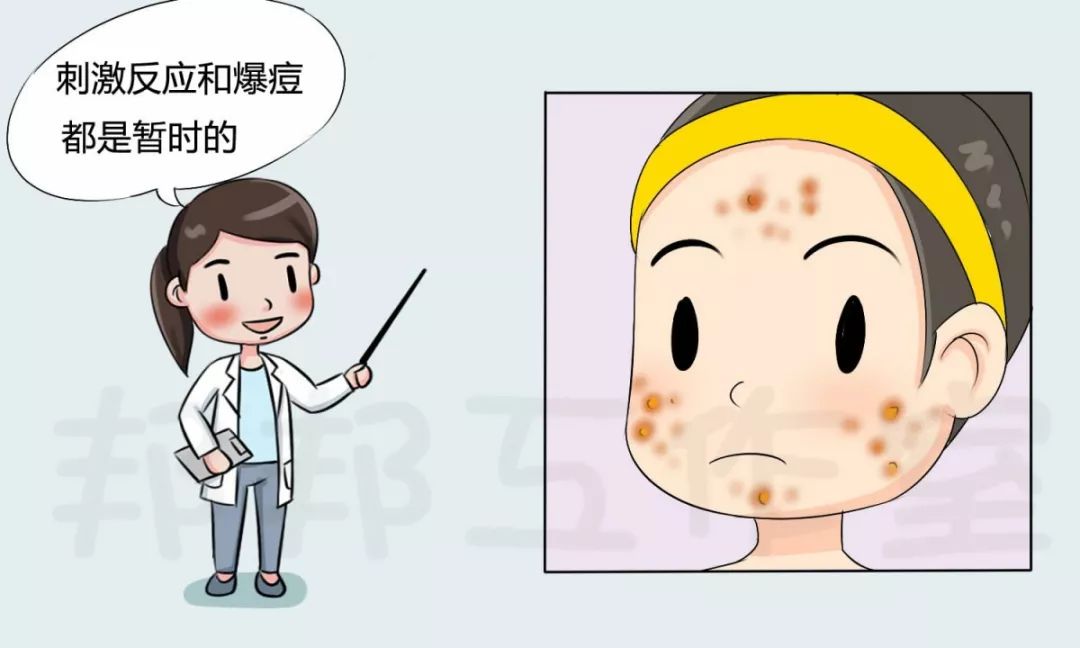
Retinoid medications generally have a slow onset of action and require maintenance for several weeks or even months; do not discontinue use due to initial transient acne flare-ups.

In summary, it is essential to have a clear understanding before using topical tretinoin.Stimulus response and acne breakouts are only temporaryAs long as tolerance is gradually built and usage is consistently maintained, acne will gradually decrease, and the skin will become increasingly smooth and clear.
The treatment period may be somewhat lengthy, but by maintaining timely communication with your dermatologist and overcoming the initial challenges together, you will achieve a rejuvenated transformation