Autumn allergies making you "scratch your ears and cheeks in frustration"? There are two ways to cut off allergens
Who said allergies are incurable

Not having a cold, yet experiencing nasal discomfort; looking around, suddenly feeling unbearable eye itching.
As you begin to enjoy the spring sunshine, unexplained red and itchy rashes appear on your body.
Want to lie in bed and rest well, but cough incessantly in the middle of the night...
You are beingThe little tormentorHave you ever been entangled and unable to shake it off?
Four Major Allergens
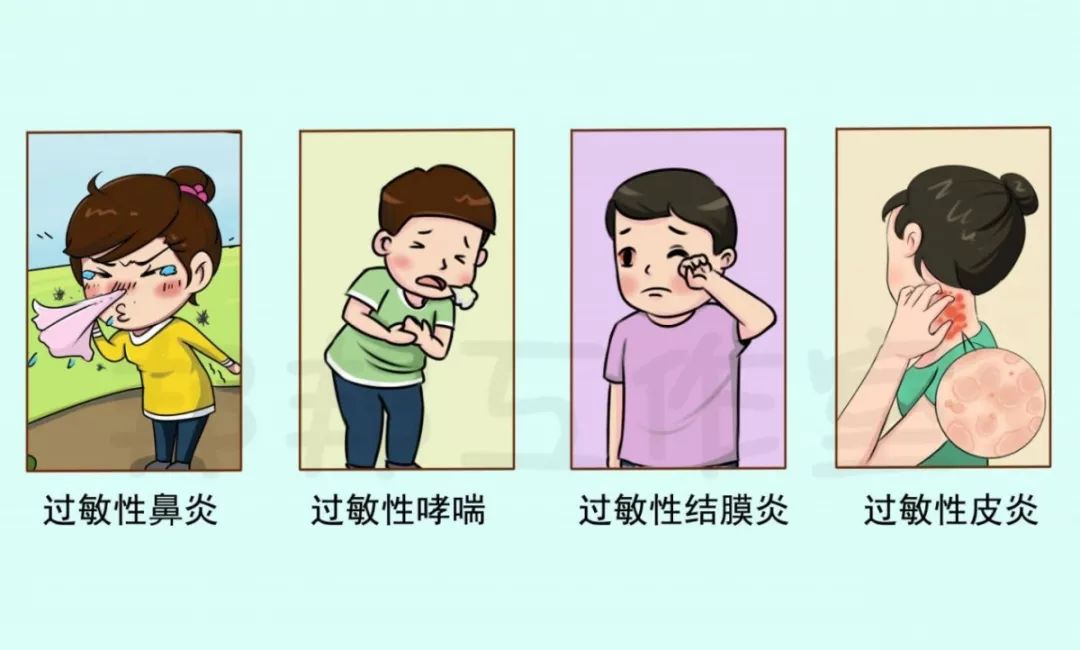
Allergic rhinitis, allergic asthma, allergic conjunctivitis, allergic dermatitisThese four annoying "heavenly kings" of inflammation often arrive uninvited.
Don't worry, you're not the only one entangled with "allergies." The World Allergy Organization30A survey across multiple countries shows that22% of people suffer from allergic diseases。

Although it does not cause physical pain, that intense, deep-seated itch can easily make you "scratch your ears and cheeks" and struggle to fall asleep.
Not only that, severe allergic reactions can also causeLife is in dangerhypochondrium.
Can allergies be eradicated at the source
Allergic reactions are very common and cause significant distress. So, is there a way to identify what we are allergic to and eliminate it at the source
The answer is obvious dermatologists and medical technicians have gradually perfected a variety of methods through continuous effortsAllergen Testing。

1. In Vivo Testing
Common allergen testing includes in vivo tests:
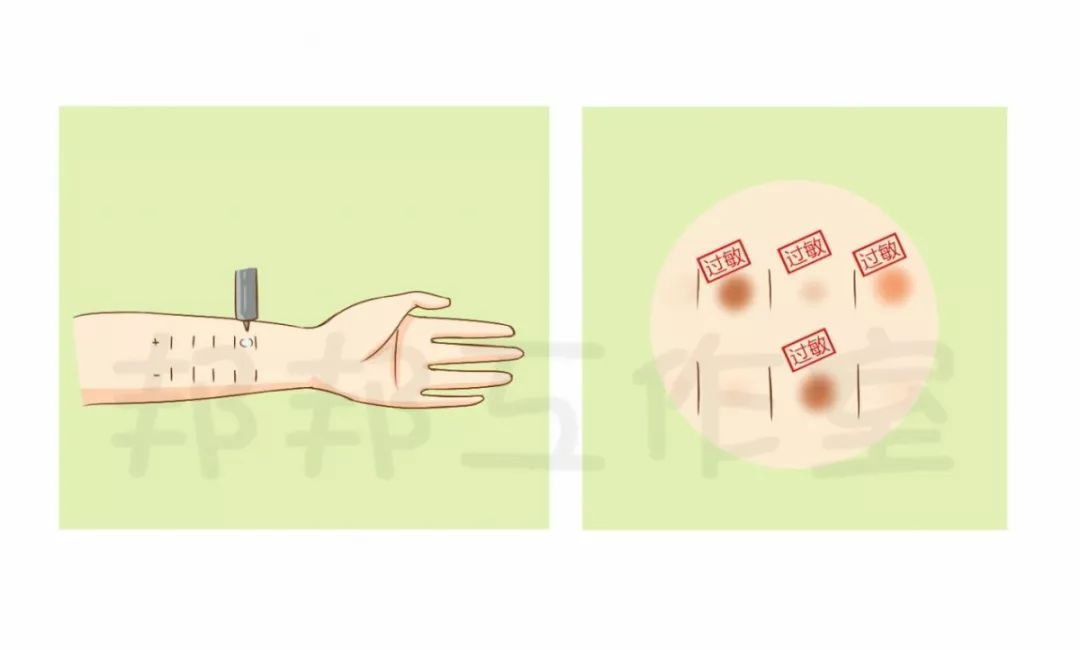
Introducing trace amounts of macromolecular protein allergens such as milk, egg white, pollen, and dust mites into the superficial dermis through skin tests or prick methods to observe whether an allergic reaction occurs. If a particular test substanceJust red and bumpy.瘩That is most likely the cause of the allergy.
Another type of in vivo test, calledPatch Test
It primarily detects small-molecule allergens that come into direct contact with the skin, such as metals, additives in plastics and rubber, and ingredients in cosmetics. These substances are placed in specially designed aluminum chambers, and thenApply to the skin of the backObserve the results after 48 hours.
However, this method requires patients to make multiple trips. For some diseases suspected to be related to ultraviolet light allergy, it can also beIn combination withPhotopatch testing for photosensitizing substances in patch testing also aids in identifying suspected allergens.

2. In vitro testing
In vitro testing involves taking a patient's blood for ex vivo detection.Allergens are not directly used in the human body。
Compared to in vivo testing, in vitro testing still has manyAdvantagesYes.
(1) Essentially non-invasive and painless, requiring only an appropriate amount of the patient's peripheral blood.
(2) High safety, allergens do not directly contact the patient
(3) Capable of detecting numerous items with high accuracy
(4) Wide range of applications, no need to discontinue medication before examination

Currently, the main in vitro allergen tests conducted clinically are primarilyDetection of allergen-specific IgE antibodies。
其Main PrinciplesIt detects specific IgE antibodies against allergens produced in type I allergic reactions, primarily applicable for:Allergen testing for allergic diseases such as allergic rhinitis, asthma, acute urticaria, and atopic dermatitis。

Since allergen test results have different grading levels and varying concentrations, and there is a possibility of false positives or false negatives in the testing, it is necessary to consultProfessional DermatologistIn combination withActual situation aids in interpreting reports。