People are born without moles, so why do they develop nevi as they grow older?
This is a matter of pigmented nevi.
Also a matter of moles.
It is a problem that many people cannot avoid.

Are there people in the world who do not have a single mole on their bodyThis certainly exists.
For example, many newborns have smooth and delicate skin, as white as jade, without a single mole anywhere on their bodies.
Many parents, grandparents, and even great-grandparents of babies often boast to others, "Hey, look, my baby's skin is so flawless, absolutely perfect!"
However, it won't be long—perhaps a few months or years—before black spots gradually appear on the child's body or face, which are pigmented nevi.
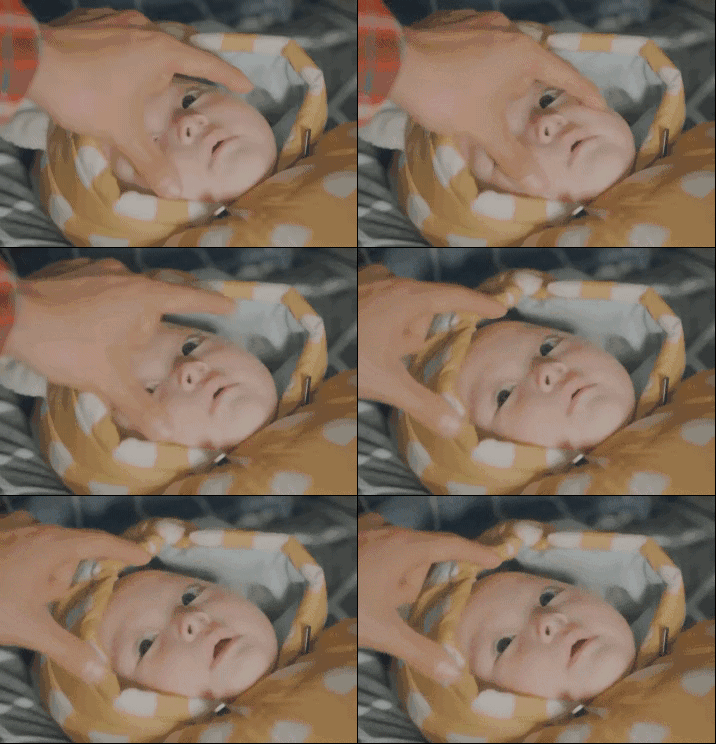
As age gradually increases, pigmented nevi also enlarge proportionally with the body.
At this point, parents often find themselves in a dilemma.Why did my child not have any moles at birth, but now has so many?
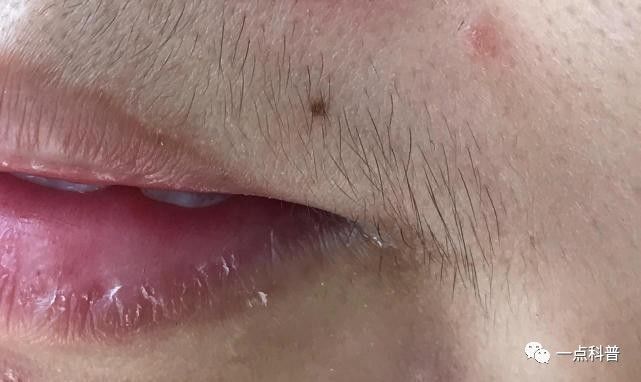
This is a natural phenomenon, resulting from the combined effects of innate genes and external environmental factors such as wind and sun exposure.
This is not a twist of fate, nor is it the heavens deliberately working against you, giving you a few moles on your face to disgust you and make you feel they have "tainted" your marriage, your wealth, your freedom, and your future.
If you believe in these, you will likely eagerly seek out various "mole removal" masters to worship, and with a heart full of bitterness and gratitude, let the "master" remove a few "destructive" moles. Only when you find scars, infections, or pain do you finally remember us doctors in white coats.
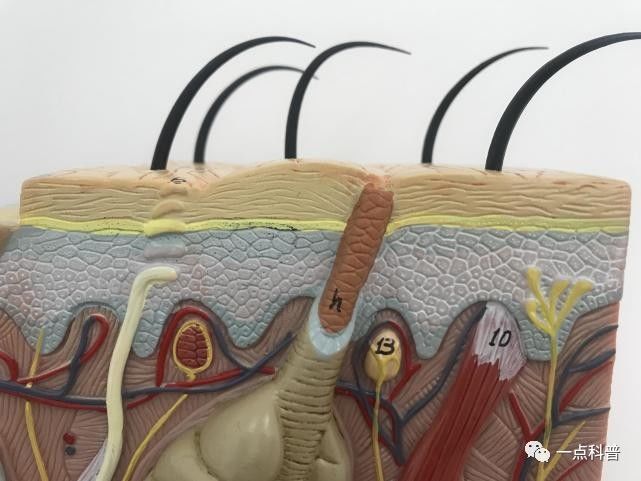
I have no intention of getting my moles removed.I rack my brains every time to explain to the patient,Do not remove moles indiscriminately.Randomly picking at it often fails to remove it completely, and the residual nevus cells are prone to issues due to repeated stimulation.
Besides, if the injection goes too deep, it will leave a scar. Why go through all that trouble?
Most of the time I cannot persuade the patientsbecause many of them are determined to have their moles removed, otherwise why would they register for an appointment? They all make valid points.
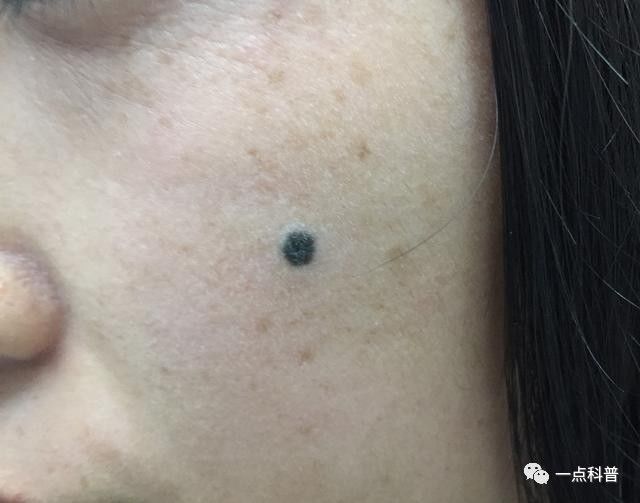
For those needle-sized molesI have to tell them that this can be treated, but there is also the possibility of scarring or incomplete removal, and in very rare cases, recurrence. You need to weigh the risks yourself.

For those moles that are large, raised, hairy, located in friction-prone areas such as the palms/soles/waistband of pants/female bra straps, and blue in colorI usuallyRecommendationPreserving what can be preserved and letting nature take its course is also a good option.
Closely observe molesChanges in development are more important, such as observing whether there is sudden enlargement, uneven pigmentation, unclear borders, asymmetry, as well as ulceration, itching, pain, etc.Seek medical attention promptly once symptoms appear.then consider surgical resection.
What? Surgical resection? Doctor, are you serious?If the tumor is surgically removed, won't it spread?
Yes, I am not joking, I am telling the truth.The purpose of the surgeryOne is to remove the mole along with its "root," and the second is to perform a pathology examination.
The purpose of pathology also has two aspectsOne is to determine exactly which type of mole it is: intradermal nevus, junctional nevus, or compound nevus, and whether there is a tendency for malignant transformation or if it has already transformed into melanoma.

The other is to assess whether the excision was complete, whether there is any residual tissue, and if it is malignant, whether it is necessary to perform a wider excision, and so on.
I have never heard that removing one mole causes another mole to appear elsewhere on the body as a way to compensate for the "lost" mole.
If that were really the case, I wouldn't dare to imagine.