When is herpes zoster considered cured
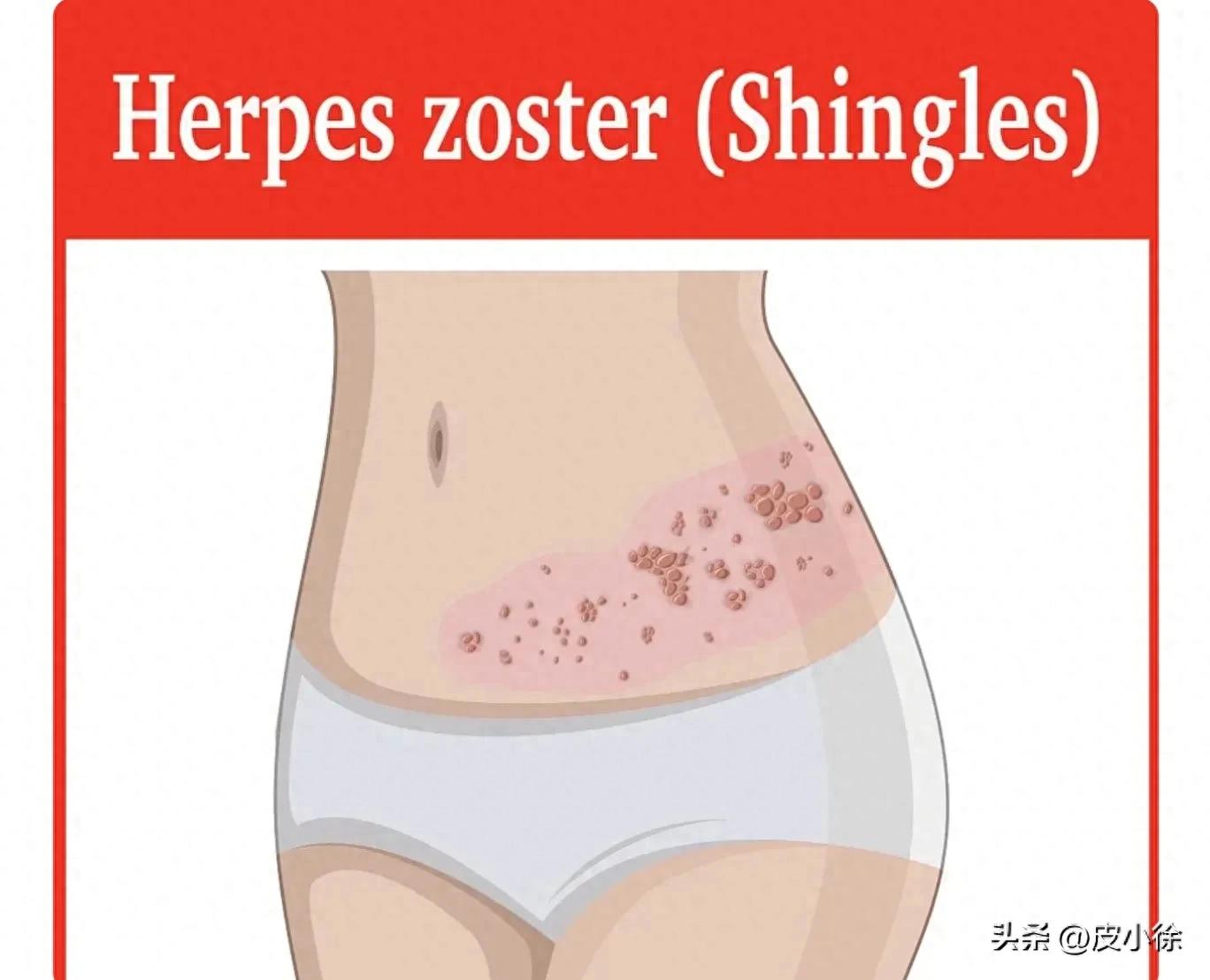
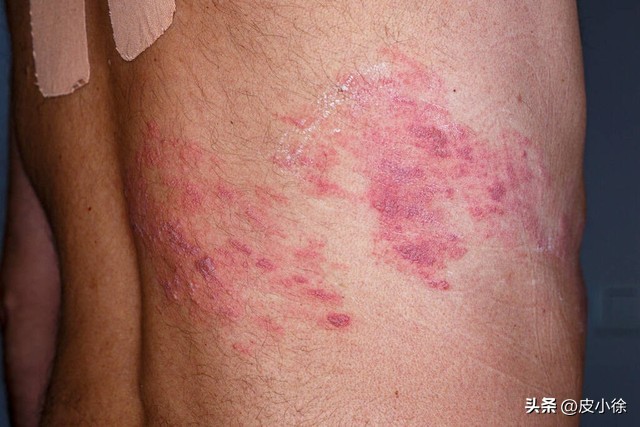
Herpes zoster, commonly known as shingles, typically appears around the waist, though it can also occur on the arms, legs, abdomen, and even the head. Its symptoms include clusters of blisters distributed unilaterally, along with neuralgia or itching caused by nerve damage from the virus. With active antiviral treatment, nerve nourishment, pain relief, and other symptomatic therapies, the blisters generally resolve quickly. Even if some scarring or pigmentation may remain on the skin, the blisters will eventually disappear.
However, some individuals, particularly middle-aged and elderly people, continue to experience neuralgia symptoms for a month after the blisters have disappeared. This is known as postherpetic neuralgia. For some, the neuralgia can be quite severe, even unbearable, significantly affecting sleep and quality of life.
The recovery from herpes zoster, in my opinion, requires not only the absorption of blisters but also the essential disappearance of the postherpetic neuralgia it causes, which constitutes a complete cure. Therefore, those who still suffer from postherpetic neuralgia cannot be considered fully cured in the strictest sense.
However, once postherpetic neuralgia occurs, it is quite challenging to completely eliminate this type of neuralgia. Conventional painkillers and ion channel blockers such as pregabalin or gabapentin, or even opioid analgesics with stronger pain-relieving effects, may show limited efficacy for a very small number of neuralgia patients. It is still necessary for the pain management department to employ minimally invasive interventions such as nerve blocks and radiofrequency therapy to improve and control the pain. Additionally, psychological interventions, physical therapy, and traditional Chinese medicine can also help alleviate the symptoms.
Therefore, patients with postherpetic neuralgia require not only dermatological care but also a multidisciplinary team (MDT) intervention approach involving anesthesiology, pain management, and traditional Chinese medicine. The ultimate goal is to control pain and improve quality of life.
At this point, herpes zoster should be considered completely cured.