Dietary Guide for Patients with Psoriasis: Eat the Right Foods to Support Disease Management
Psoriasis is a chronic inflammatory skin disease caused by immune system dysregulation. Although it cannot yet be cured, comprehensive treatment and lifestyle interventions, including scientifically sound dietary adjustments, can effectively alleviate symptoms, reduce relapse frequency, and improve quality of life. While diet cannot "cure" psoriasis, growing research indicates that specific nutrients and dietary patterns can positively influence inflammation control, immune regulation, and skin health. This article provides practical, evidence-based dietary recommendations for patients with psoriasis.
1. Anti-inflammatory Diet: Suppress Immune Overactivation at the Source
The core pathological mechanism of psoriasis is chronic inflammation caused by immune system dysregulation. Therefore, an "anti-inflammatory diet" becomes the primary principle of dietary intervention. This type of diet emphasizes the intake of foods rich in antioxidants, omega-3 fatty acids, dietary fiber, and phytochemicals, which helps reduce levels of inflammatory mediators in the body.
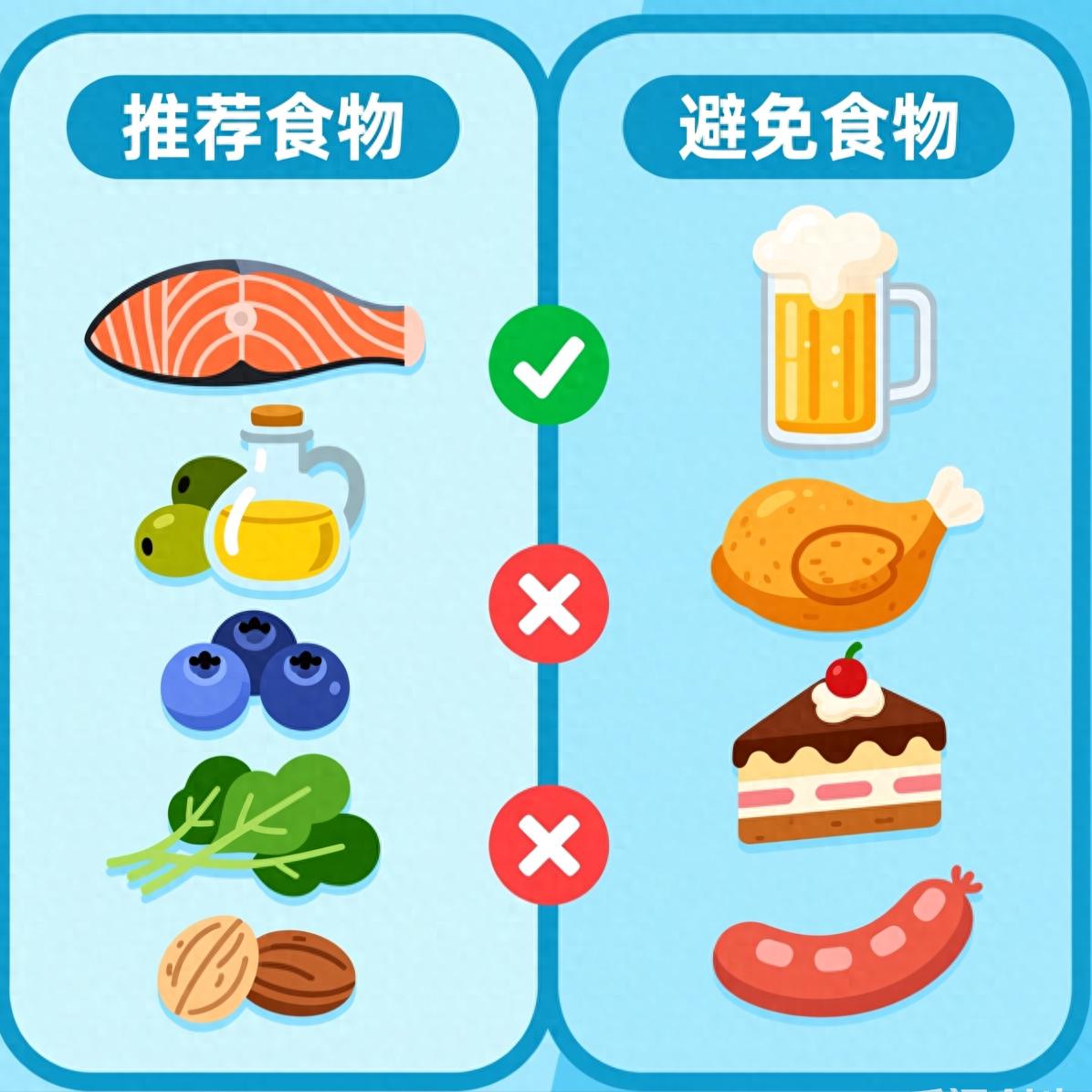
Recommended foods:
Deep-sea fish: such as salmon, mackerel, sardines, etc., rich in omega-3 fatty acids (EPA and DHA), which can inhibit the production of pro-inflammatory factors (such as TNF-α, IL-17).
Nuts and seeds: flaxseed, chia seed, walnuts, etc., contain alpha-linolenic acid (ALA), which can be partially converted to omega-3 in the body.
Colorful fruits and vegetables: blueberries, strawberries, spinach, broccoli, carrots, tomatoes, etc., are rich in vitamins C and E, β-carotene, and polyphenols, and have strong antioxidant effects.
Whole grains: oats, brown rice, quinoa, etc., are rich in dietary fiber, which helps regulate the gut microbiota; gut health is closely related to the immune system.
2. Avoid Pro-inflammatory Foods: Reduce "Adding Fuel to the Fire"
Some foods may exacerbate inflammatory responses or trigger psoriasis flares and should be limited or avoided when possible:
High-sugar foods: sugar-sweetened beverages, desserts, and refined carbohydrates (such as white bread and cakes) raise blood glucose and promote the release of inflammatory mediators.
Red and processed meats: beef, pork, sausages, bacon, etc., are rich in saturated fats and pro-inflammatory components (such as advanced glycation end products, AGEs).
Trans fats: commonly found in fried foods, margarine, and some baked goods, they significantly increase systemic inflammation.
Alcohol: alcohol not only increases hepatic metabolic burden, but may also interfere with drug efficacy (such as methotrexate) and trigger or worsen skin lesions. Multiple studies confirm that drinkers with psoriasis have more severe disease and poorer treatment response.
3. Pay Attention to Weight Management: Obesity Is an Independent Risk Factor for Disease Exacerbation
Epidemiological studies consistently show that obesity is closely related to the incidence, severity, and treatment resistance of psoriasis. Adipose tissue itself secretes various inflammatory mediators (such as leptin and IL-6), creating a "chronic low-grade inflammatory" state that further activates the immune system. Therefore, overweight or obese patients with psoriasis should lose weight through appropriate diet and moderate exercise; even a 5%–10% reduction in body weight may significantly improve skin lesions.
A Mediterranean-style diet is recommended: primarily plant-based foods, moderate intake of fish, poultry, and olive oil, and limiting red meat and sweets. This diet has been shown in multiple studies to reduce the risk of psoriasis and improve symptoms.
4. Individualized trials: identify your own "trigger foods"
Although there is no unified "psoriasis avoid list," some patients may be sensitive to certain foods. Common potential trigger foods include:
Dairy products (especially whole milk);
Gluten (the proteins in wheat, barley, and rye) — some patients have concurrent "non-celiac gluten sensitivity," with symptom improvement after a gluten-free diet;
Solanaceous plants (such as tomatoes, eggplants, peppers, potatoes) — some patients have reported increased itching after consumption, but large-scale evidence supporting this is lacking.
Patients are advised to try a food diary method: record daily diet and skin lesion changes to observe whether an association exists. If a particular food is suspected of triggering symptoms, an elimination diet trial of 4–6 weeks can be conducted under the guidance of a physician or dietitian, followed by gradual reintroduction to confirm the reaction.
5. Supplementing Nutrients? Require Cautious Evaluation
Some nutrients are theoretically beneficial for psoriasis, but be sure to consult a healthcare professional before supplementing:
Vitamin D: Not only regulates calcium and phosphate metabolism, but also participates in immune modulation. Many patients with psoriasis have vitamin D deficiency; appropriate supplementation may support treatment, but excessive intake carries a risk of toxicity.
Zinc, selenium: Have antioxidant effects, but routine supplementation has not been shown to significantly improve the condition.
Probiotics: Preliminary studies suggest that modulating the gut microbiota may be beneficial, but more evidence is needed.
Do not take "detox" or "blood-cleansing" supplements blindly; not only are they ineffective, they may also damage the liver and kidneys.
6. Beyond diet: integrated lifestyle management
Diet is only one part of comprehensive psoriasis management. Patients should also:
Maintain a regular daily routine and avoid staying up late;
Learn stress management (e.g., meditation, yoga);
Quit smoking (smoking significantly increases the risk and severity of psoriasis);
Follow medical advice and take medications as prescribed; do not stop medications on your own or rely on folk remedies.
Conclusion
The diet for psoriasis patients is not about pursuing "miraculous diets," but about creating an internal environment conducive to immune balance through long-term, balanced, anti-inflammatory eating habits. Rather than fixating on a single "special-effect food," it is better to establish a sustainable healthy lifestyle. Remember: there is no one-size-fits-all diet, but a scientific, rational, and individualized nutritional strategy can certainly become a powerful tool in your fight against psoriasis. Under the guidance of professional physicians and dietitians, eat for health and live with confidence.