Psychological factors: your skin lesions may be “expressing emotions” for you — the importance of integrated mind-body treatment
Over 60% of patients with psoriasis have accompanying anxiety, depression, low self-esteem, or social avoidance. This is not “being dramatic,” but a real manifestation of the bidirectional pathways between mind and body. As a physician, I fully understand that psoriasis is not only a skin disease but also a chronic condition that profoundly affects mental health.
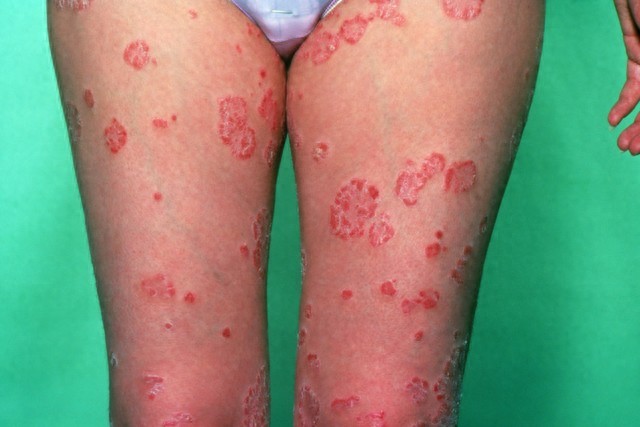
How does stress affect skin lesions? When a person is in a tense or anxious state, the hypothalamic-pituitary-adrenal (HPA) axis is activated, releasing adrenocorticotropic hormone and cortisol; at the same time the sympathetic nervous system is stimulated, leading to elevated levels of multiple proinflammatory cytokines (such as TNF-α, IL-6, IL-17), which directly stimulate abnormal proliferation of keratinocytes, triggering or worsening skin lesions. Conversely, conspicuous skin lesions provoke shame and social phobia, forming a “psychodermatologic” vicious cycle.
Therefore, psychological interventions should be incorporated into the overall treatment plan for psoriasis. I recommend that patients:
Practice 10–15 minutes of mindfulness meditation or deep-breathing exercises daily (guided by apps such as Headspace, TIDAL, etc.);
Keep an "emotion–lesion" diary to identify personal triggers (e.g., whether flares worsen after exams or family conflicts);
Actively join formal patient support groups (such as the official platform of the Chinese Medical Association Psoriasis Group) to reduce feelings of isolation;
If persistent low mood, insomnia, decreased interest, or even suicidal thoughts occur, be sure to seek professional help from psychology or psychiatry in a timely manner.
Modern research has confirmed: cognitive behavioral therapy (CBT) and mindfulness-based stress reduction (MBSR) combined with pharmacotherapy can significantly improve PASI score response rates and quality of life (DLQI). Your feelings deserve to be seen; mental health is not a luxury but an indispensable part of treatment. Remember: you are not the skin lesions; you are a whole person worthy of respect.