Psoriasis Patients’ “Traffic Light” Diet
The onset and progression of psoriasis (commonly known as plaque psoriasis) are influenced by multiple factors, and diet is one widely discussed component. The “traffic light” diet is a visual dietary management strategy designed to help patients better manage their condition and reduce relapse risk by categorizing foods as “recommended,” “use with caution,” and “avoid.” It is important to emphasize that individuals respond to foods differently; this approach is intended only as general guidance. Specific dietary plans should be tailored to the individual’s circumstances and implemented under the guidance of a physician or dietitian.
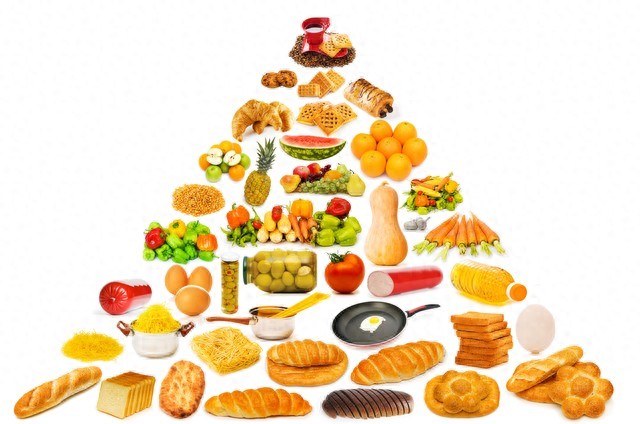
1. "Green-light foods": Recommended to eat more (beneficial for disease stability)
These foods are generally rich in vitamins, minerals, dietary fiber, or unsaturated fatty acids, which help enhance the body's anti-inflammatory capacity, improve immune status, and promote skin health.
Recommended fresh vegetables: leafy greens (such as spinach, lettuce, romaine, broccoli, kale), gourd-and-nightshade family (such as cucumber, winter melon, tomato, eggplant), and mushrooms (such as shiitake, enoki, wood ear). Rationale: rich in vitamin C, vitamin E, β-carotene, folate, and various trace elements, with certain anti-inflammatory and antioxidant effects; dietary fiber can promote gut health and indirectly modulate immunity.
Recommended fresh fruits: apples, pears, bananas, oranges, grapefruit, strawberries, blueberries, cherries, and other low-GI (glycemic index) fruits. Rationale: provide abundant vitamins and natural phytochemicals, helping to replenish nutrients and improve metabolism. Prefer low-GI fruits to avoid large blood glucose fluctuations that may trigger inflammatory responses.
Recommended sources of high-quality protein: fish (especially deep-sea fish, such as salmon, cod, tuna, 2–3 times per week); poultry (skinless chicken, duck); eggs (chicken eggs, duck eggs, consume in moderation); soy products (tofu, soy milk, dried tofu, etc.). Rationale: Protein is the basis for skin repair and immune cell synthesis. Deep-sea fish are rich in Omega-3 unsaturated fatty acids, which have proven anti-inflammatory effects and are beneficial for alleviating psoriasis inflammation.
Recommended whole grains: oats, brown rice, quinoa, whole wheat bread, corn, millet, etc. Rationale: Replacing refined grains (such as white rice, white bread) can provide richer dietary fiber and B vitamins, help stabilize blood glucose, improve gut microbiota, and reduce the release of inflammatory factors.
Recommended healthy fats: olive oil, flaxseed oil (mainly for cold dishes), nuts (in small amounts, such as walnuts, almonds, no more than a small handful per day). Rationale: Rich in unsaturated fatty acids, they help regulate blood lipids and reduce inflammation.
2. "Yellow-light foods": consume with caution (observe individual responses)
These foods may trigger or worsen the condition in some patients, but have no obvious effect in others. The core principle is "small trials + close observation."
Types of red meat and processed meat products: pork, beef, lamb (red meat); sausages, bacon, ham, cured meat (processed meat products). Notes: Red meat is rich in saturated fatty acids; excessive intake may promote inflammation; processed meat products contain additives such as nitrites and carry higher risks. If consumed, control frequency (e.g., no more than once per week) and portion size, and monitor the skin for increased erythema, scaling, or other reactions.
Types of dairy products: milk, cheese, butter, ice cream, etc. Notes: Some studies suggest dairy products (especially skim milk) may be associated with an increased risk of psoriasis, possibly related to certain proteins or hormonal components. Patients are advised to try discontinuing intake for 1–2 months and observe changes in the condition; if there is no improvement, dairy may be resumed in moderation.
Types of spicy/irritating foods: chili peppers, Sichuan pepper, ginger, garlic, mustard, curry, etc. Notes: These foods may stimulate cutaneous vasodilation and exacerbate skin redness, itching, and other discomforts, and should be avoided especially during acute phases. During stable periods they may be tried in small amounts, but discontinue immediately if symptoms occur.
Types of alcoholic beverages: baijiu, beer, red wine, and all other alcohol-containing drinks. Precautions: Alcohol dilates blood vessels, stimulates inflammatory responses, may affect drug metabolism and reduce immunity, and significantly increases the risk of psoriasis relapse and exacerbation. It is recommended to strictly limit or completely avoid alcohol, especially during treatment.
3. "Red light foods": avoid as much as possible (clearly may worsen the condition)
These foods may have adverse effects on most psoriasis patients, or there is sufficient evidence linking them to disease worsening.
High-GI foods (refined sugars and refined carbohydrates) Types: candies, chocolate (milk/white chocolate), cakes, biscuits, desserts, sugary drinks (cola, milk tea, etc.), white rice, white bread, white noodles, etc. Rationale: High-GI foods cause rapid increases in blood glucose, triggering the production of advanced glycation end products (AGEs) in the body; AGEs exacerbate inflammatory responses and stimulate keratinocyte hyperproliferation, thereby worsening psoriatic lesions.
Definite allergenic / intolerant foods: varies by individual; common examples include seafood (shrimp, crab, shellfish), mango, pineapple, certain nuts, etc. Rationale: allergies or food intolerances can activate the immune system, triggering hypersensitivity reactions that may induce or worsen psoriasis. Patients can screen for such foods by keeping a "food diary" (recording consumed foods and disease changes over the subsequent 24–48 hours).
Some photosensitizing foods (need to consider sun exposure): celery, cilantro, figs, mango, lemon peel (pulp less affected), etc. Rationale: these foods contain photosensitizing substances; if consumed and then followed by prolonged exposure to strong sunlight, they may increase the skin's sensitivity to UV radiation, inducing "photosensitive dermatitis" and potentially exacerbating psoriasis. Not all patients need to avoid them, but if skin discomfort occurs after sun exposure, one should avoid these foods and take sun-protection measures.
4. Core principles of dietary management (more important than the “red‑green light”)
Individual differences are key: the "traffic light" is only a general reference and there are no absolutely "allowed" or "forbidden" foods. The most effective approach is to keep a "diet diary," recording daily intake and changes in condition in detail to gradually identify a dietary pattern that suits you.
Balanced nutrition is fundamental: avoid excessive restriction that leads to malnutrition and thereby lowers immunity. Ensuring adequate intake of protein, vitamins, and minerals supports skin repair and immune regulation.
Diet is an adjunctive measure: dietary management cannot replace standardized medical treatment. Psoriasis treatment should follow physician guidance and combine medications, phototherapy, and other comprehensive approaches; dietary adjustments are only auxiliary measures to help improve the condition.
Pay attention to overall lifestyle: besides diet, regular routines, moderate exercise (such as swimming, brisk walking), quitting smoking, and maintaining a positive mood are equally important for disease stability.
Summary
The "traffic light" diet for patients with psoriasis is a simple and easy-to-understand self-management tool. Its core principles are "anti-inflammatory, blood sugar control, allergen avoidance, and balance." Based on this framework, patients can gradually optimize their dietary patterns through long-term observation and adjustment. If possible, consultation with a clinical dietitian is recommended to develop a more targeted, individualized dietary plan.
To better help you adjust your diet, could you tell me which stage of psoriasis you are currently in (acute, stable, or remission)? Do you have any known food allergies or intolerances?