How to Identify an Excellent Psoriasis Physician? Analysis of Four Professional Assessment Dimensions
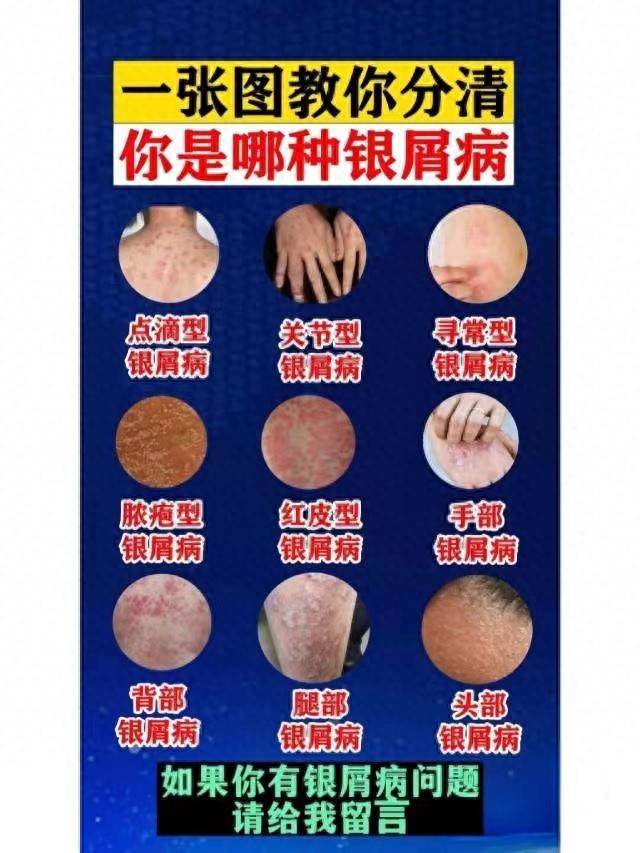
In the field of psoriasis diagnosis and treatment, choosing a professional, standardized medical team is key to achieving effective disease control. Because the disease itself is chronic and prone to relapse, patients need to remain rational when selecting a physician. Below, from a clinical medicine perspective, we outline four core evaluation criteria to help inform scientific healthcare decisions.
1. Medical Knowledge Dimension: Refuse "cure" promises; adhere to evidence-based medicine principles
Psoriasis is a polygenic hereditary disease, and current medical research has not found a way to completely eliminate pathogenic genes. The "Chinese Guidelines for the Diagnosis and Treatment of Psoriasis (2022 edition)" clearly state that any claim of "complete cure" lacks scientific evidence. An excellent dermatologist will convey the concept of "long-term management" to patients, emphasizing that standardized treatment can achieve clinical remission (for example, meeting PASI 90 criteria), while preparing for prevention and monitoring of disease recurrence. For instance, although biologic therapy can enable more than 80% of patients to reach clinical remission, regular maintenance treatment is still required to sustain efficacy.
2. Diagnostic and Treatment Process Dimension: Emphasize precise diagnosis; rely on a standardized testing system
Psoriasis must be differentiated from more than 10 other diseases such as seborrheic dermatitis and pityriasis rosea, with a misdiagnosis rate as high as 23% (Chinese Journal of Dermatology, 2023 data). A specialist physician will carry out a complete diagnostic and treatment process:
1.
1. Basic examinations: use noninvasive methods such as Wood's lamp (to detect fungal skin diseases) and dermoscopy (to observe scales and vascular patterns) for preliminary screening;
2.
2. In-depth testing: perform skin tissue pathology biopsy for difficult cases to clarify the proliferative state of keratinocytes;
3.
3. Systemic evaluation: use tests such as complete blood count and HLA genotyping to rule out pathogenic factors such as streptococcal infection and genetic susceptibility.
3. Medication Standardization Dimension: Rational use of glucocorticoids; adhere to stepwise treatment
Although glucocorticoids can rapidly control inflammation, their overuse can cause serious consequences such as skin atrophy and steroid-dependent dermatitis. Authoritative treatment guidelines recommend the "three-line medication" principle:
Treatment stage
Preferred medications
Principles for steroid use
Mild patients
Topical vitamin D3 derivatives (such as calcipotriol)
Only for localized hypertrophic plaques, use no longer than 2 weeks
Moderate patients
Phototherapy (narrowband UVB)
Combine with short-term use of low-potency corticosteroids to control symptoms
Severe patients
Biologics (e.g., secukinumab)
Use systemic corticosteroids short-term when necessary, with close monitoring for adverse effects
4. Disease awareness dimension: focus on systemic damage and carry out multidisciplinary collaboration
Psoriasis is a systemic inflammatory disease; about 30% of patients have comorbid metabolic syndrome (diabetes, 2–3-fold increased cardiovascular risk). An excellent medical team will establish a "dermatology-led, multidisciplinary collaborative" model:
1. Metabolic assessment: routine testing of fasting blood glucose, blood lipids, and insulin resistance indices;
2. Joint monitoring: perform X-ray or MRI for patients with joint pain to exclude psoriatic arthritis;
3. Psychological intervention: assess the impact of the disease on the patient's mental health using the Dermatology Life Quality Index (DLQI).
When choosing a physician, it is recommended to prioritize experts with experience in dermatology and involvement in clinical research on psoriasis. If you need further information about authoritative diagnostic and treatment institutions in your area, or would like personalized consultation recommendations, please leave a message with detailed medical information and we will assist you in formulating a scientific care plan.