Is Your Fasting Blood Sugar High Again as a Diabetic? Quit These Foods First and Your Blood Sugar Will Improve!
Many people with diabetes notice that despite eating very little, their fasting blood sugar remains persistently high. When fasting blood sugar consistently exceeds 7mmol/L or postprandial blood sugar surpasses 10mmol/L, it may be time for a "strict review" of your diet!
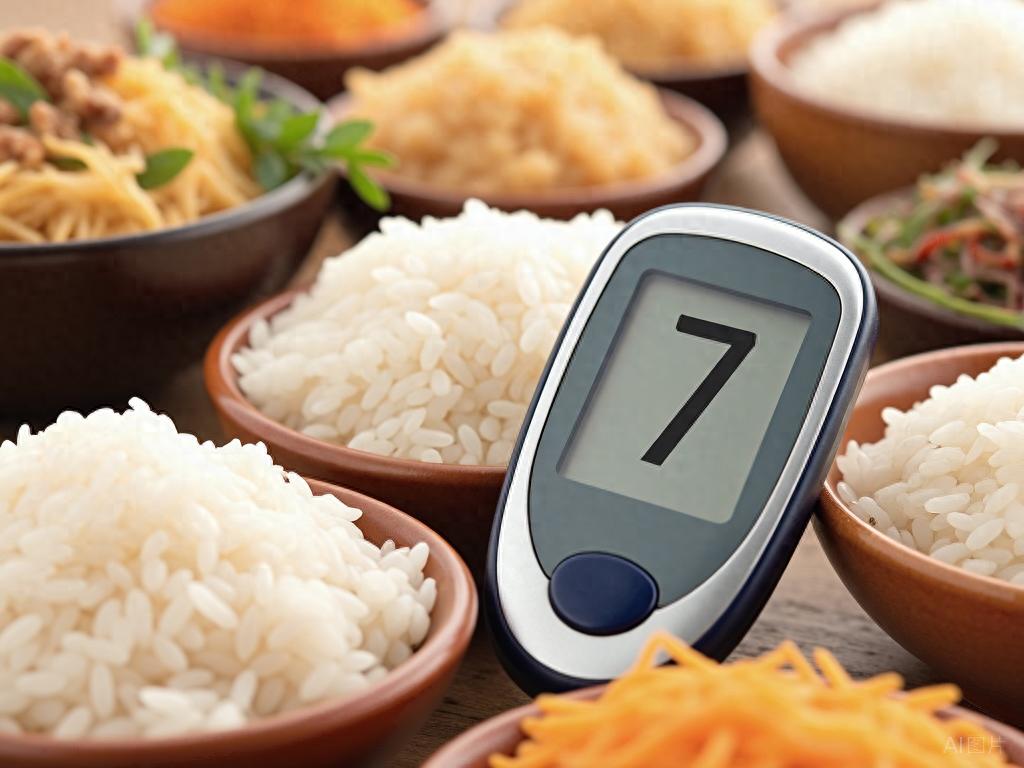
Why Does Blood Sugar Rise Silently?
Poor blood glucose control is often related to "hidden" dietary pitfalls:
Deceptively healthy high-sugar fruits
Refined carbohydrates
Added sugars in processed foods
⏰
Inappropriate meal timing and sequence ⏰
Please temporarily bid farewell to these types of foods!
1️⃣ High-glycemic index staple foods
Refined white rice, white steamed buns, white noodles: cause excessively rapid blood sugar spikes
Sticky rice foods: zongzi (sticky rice dumplings), nian gao (sticky rice cake), tangyuan (glutinous rice balls)
Most bakery products: unless they are whole-grain and sugar-free
Instant oatmeal (not whole oats)
2. Sugary beverages and processed foods
All sugary beverages: fruit juice, milk tea, carbonated drinks
Processed snacks: cookies, cakes, egg tarts, chocolate (except dark chocolate)
Canned fruit: usually loaded with a large amount of syrup
Flavored yogurt: choose unsweetened plain yogurt
3️⃣ Certain high-sugar fruits
Lychees, longans, mangoes, bananas (overripe)
Durian, jackfruit (high in both calories and sugar)
Dried fruits: raisins, dried dates, dried apricots
Juice: Even 100% pure juice removes the beneficial fiber
4️⃣ High-fat + high-carb combination
Fried staples: fried dough sticks, fried cakes, donuts
Many Chinese pastries: crisp cakes, mooncakes, mung bean cakes
Breaded and deep-fried foods: fried chicken cutlets, tempura
5️⃣ Invisible sugar "hotspots"
Condiments: ketchup, salad dressing, barbecue sauce
Processed meat products: certain sausages, ham
Instant soup bases, hot pot soup bases
Some "healthy" foods: fruit yogurt, granola bars
When blood sugar is high, you can eat like this!
High-quality staple food choices:
Whole grains: brown rice, oatmeal, quinoa, buckwheat
Legumes: red beans, mung beans, chickpeas (in moderation)
Tubers: Chinese yam, taro (as partial staple replacements)
Safe fruit guide (once blood glucose stabilizes):
Low-sugar fruits: strawberries, blueberries, grapefruit, cherries
Consumption timing: Between meals, no larger than the size of a fist each time
Fresh is best: Whole fruits are better than fruit juice
Adequate protein intake:
High-quality protein: fish, shrimp, chicken breast, tofu, eggs
Eating principle: Include protein in every meal to help stabilize postprandial blood sugar
Vegetables: the more, the better
Leafy greens: spinach, lettuce, bok choy
Non-starchy vegetables: broccoli, cauliflower, eggplant, tomatoes
Portion Size: At least half of the plate per meal
Practical Dietary Adjustment Techniques
Adjust Eating Order: Vegetables → Protein → Staple Foods
Eat Slowly and Chew Thoroughly: Take at least 20 minutes for each meal
Small, Frequent Meals: Divide three main meals into five to six smaller meals
Food diary: Record the relationship between food and blood sugar to identify your personal "trigger foods"
Cooking methods: Prioritize steaming and boiling over frying and deep-frying, avoid thickening with starch
Blood sugar control is a dynamic process
Temporary restrictions pave the way for long-term freedom!
Once your blood sugar stabilizes within the ideal range again (fasting 4.4–7.0 mmol/L, postprandial <10 mmol/L), some foods can gradually and moderately return to the table.
The key lies in:
Monitoring: Regularly monitor your blood sugar to understand how foods affect you
Moderation: Even with permissible foods, portion control is essential
Balance: Ensure nutritional balance, avoid dietary bias and overconsumption.
Individualization: Reactions vary from person to person; find a dietary pattern that suits you.
Reminder: This article provides general recommendations. Please consult a professional nutritionist or doctor to develop a personalized plan based on your health status, medication use, and blood glucose monitoring data. Optimal blood glucose management requires a combination of diet, exercise, medication, and monitoring!
Let’s stay motivated together on the journey to blood sugar control! ✨