Diabetic friends experiencing numb or cold feet, don't take it lightly! Get these tests done promptly to stay away from foot disease risks!
Diabetes itself isn't the real fear; it's the complications! Among them, diabetic foot is one of the severe complications that many people with diabetes dread. If you've recently been experiencing numbness or a cold sensation in your feet, don't take it lightly!
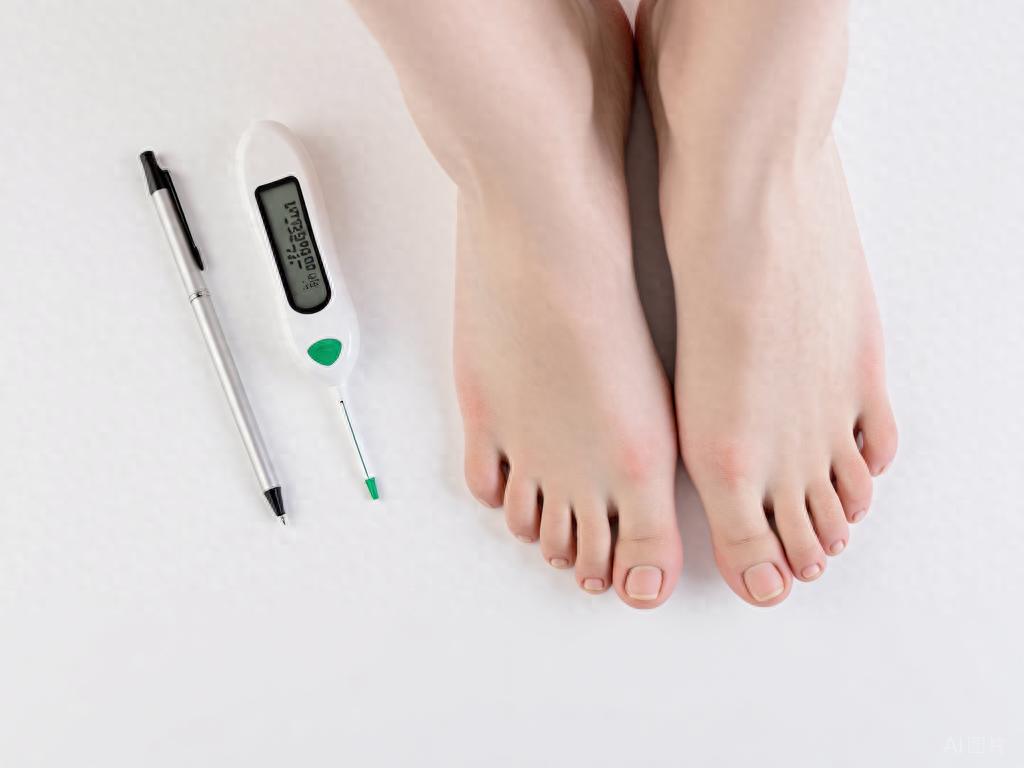
Why should you be especially vigilant about numb or cold feet?
Nerve damage (diabetic peripheral neuropathy) and vascular complications caused by diabetes are the main reasons for numb or cold feet. Both are the "prelude" to diabetic foot!
Nerve damage: Long-term poor blood sugar control can damage nerves, leading to reduced sensation—you may not feel pain, temperature changes, or touch.
Vascular Lesions: High blood sugar damages blood vessels, resulting in insufficient blood supply to the lower limbs, causing cold and pale feet.
7 Essential Tests to Check
1️⃣ Nerve Function Tests
10g Monofilament Test: A special nylon filament is lightly touched to multiple areas of the foot to test for normal sensation.
Tuning Fork Vibration Test: Assesses the ability to perceive vibrations.
Ankle Reflex Test: Examines nerve reflex function
Temperature sensation test: Assesses the ability to perceive hot and cold
2️⃣ Vascular Condition Assessment
Ankle-Brachial Index (ABI): Compares blood pressure at the ankle and upper arm to assess blood flow in the lower limbs
Lower limb arterial color Doppler ultrasound: Provides a direct visualization of whether there is narrowing or blockage in the blood vessels
Transcutaneous Oxygen Pressure Measurement: Assessing Tissue Oxygen Supply
3️⃣ Foot Structure Examination
Foot X-ray: Check for bone deformities or Charcot joint
Foot Pressure Measurement: Evaluate plantar pressure distribution and identify abnormal high-pressure areas
4️⃣ Skin Condition Assessment
The doctor will carefully examine your feet for:
Dryness and cracks
Calluses
Ulcer or Wound
Color Change
Fungal Infection
5️⃣ Blood Sugar Control Evaluation
Glycated hemoglobin (HbA1c): Reflects average blood glucose levels over the past 2–3 months
Fasting and postprandial blood glucose: Assess daily blood glucose fluctuations
6️⃣ Complication screening
Urine microalbumin: A sensitive indicator for early diabetic nephropathy
Fundus examination: Diabetic retinopathy often coexists with foot complications
7️⃣ Infection marker tests
If a wound or ulcer is already present, the following should be checked:
Complete blood count
C-reactive protein (CRP)
ESR
Bacterial Culture of Secretions
Daily Protection, Stay Away from Foot Disease Risks
Daily Essentials:
Thorough foot inspection: Use a mirror daily to examine the soles and between toes for minor wounds.
Proper foot washing: Use warm water (not exceeding 37℃) for no more than 10 minutes.
Keep feet dry: Especially between the toes
Proper Moisturization: Apply moisturizer after washing feet, but avoid between toes
Select Appropriate Footwear and Socks: Loose, breathable, seamless; socks should not have tight cuffs
Absolutely Forbidden:
❌ Walking barefoot, even indoors
❌ Using hot water bottles or electric blankets to warm feet
❌ Self-trimming of corns or calluses
❌ Walking for extended periods in new shoes
Important Reminder
If any of the following symptoms are detected, seek medical attention immediately:
Wounds, blisters, or ulcers appear on the feet
Sudden swelling of the foot
Localized redness and warmth
Sudden intensification of pain
Darkening or blackening of the foot
Although diabetic foot is frightening, it is preventable and manageable! The key lies in early detection and intervention. Conduct a comprehensive foot examination at least once a year and strictly control blood sugar levels on a daily basis. These measures can significantly reduce the risk of developing foot complications.
✨Caring for your feet means caring for your healthy future! Starting today, give your feet a little more attention!
Friendly Reminder: This article is for reference only. Please consult a professional doctor for specific examination items and treatment plans to develop a personalized management plan based on individual circumstances.