3 Golden Rules for Kidney Protection in Diabetes | Peace of Mind, Save Money, Prevent Complications!
When you have diabetes, blood sugar management is essential, but there's also a "silent organ" that requires even more careful attention—the kidneys!
Diabetic nephropathy is a common complication, but early intervention makes it completely preventable and manageable. Today, we share 3 highly practical kidney protection methods that are simple to follow and can help you save on future treatment costs!
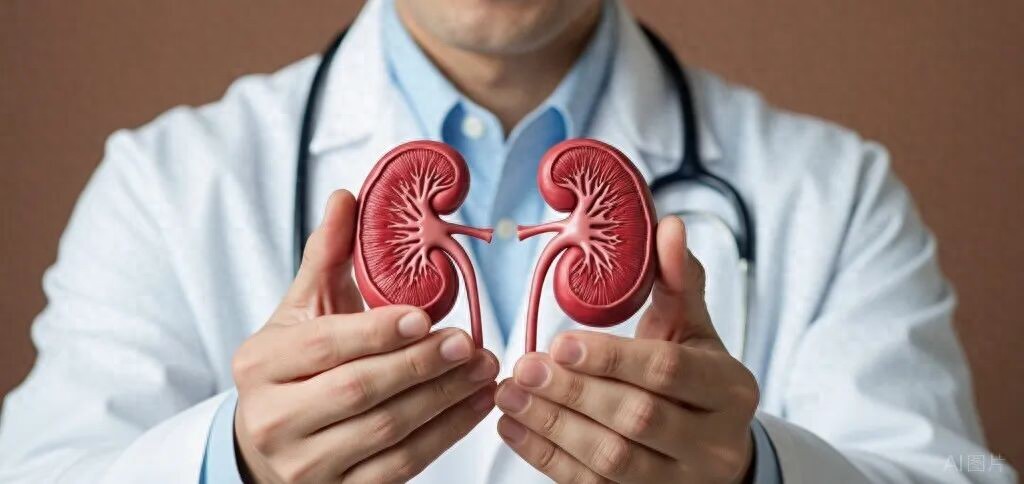
Method 1: Focus on these two "key numbers"—more important than just checking blood sugar!
Many people with diabetes only worry about blood sugar, but overlook the "distress signals" from the kidneys.
Blood Pressure Value
Why is it important? High blood pressure is an "accelerator" of kidney damage. Diabetes + high blood pressure is a double blow to the kidneys.
130/80 mmHg
Target Action: Preferably maintain below 130/80 mmHg.
Cost-Saving Tip: Have a blood pressure monitor at home for regular monitoring. It's more convenient and cost-effective than frequent hospital visits.
Urine Microalbumin-to-Creatinine Ratio
Why is it important? It is the most sensitive "scout" for detecting early kidney damage—far earlier than an increase in serum creatinine.
。
Action Goal: Check at least once a year.
Money-saving Tip: Proactively request this test during routine health checkups or follow-up visits; early detection costs far less than treatment for advanced kidney failure.
Method 2: Implement the "Two Controls and One More" approach to reduce the burden on the kidneys!️
Diet is the first battlefield in kidney protection; get it right, and the effects will be immediate.
Control Protein Intake with "Quality and Moderation"
How to do it? The key is not to avoid meat altogether but to prioritize high-quality proteins like fish, eggs, dairy, and lean meats while controlling total intake (the specific amount should be assessed by a nutritionist). Avoid overloading the kidneys with heavy meals.
Strictly Limit Salt Intake
How to do it? Keep daily salt intake below 5 grams (about the amount in a beer bottle cap). Watch out for "hidden salt" in soy sauce, pickles, processed foods, and the like. Reducing salt not only helps control blood pressure but also protects the kidneys—killing two birds with one stone.
Drink plenty of water (for those with normal heart and kidney function).
How to do it? Ensure adequate hydration (unless restricted by a doctor) to promote the excretion of metabolic waste and reduce the burden on kidney filtration. Plain water is the best choice!
Method Three: Use “Two Birds, One Stone” Medications for Smart Treatment!
Under a doctor's guidance, some medications can both control blood sugar and lower blood pressure while directly protecting the kidneys, making them an extremely "cost-effective" investment.
First choice: Glucose-lowering medications with kidney-protective effects
Such as SGLT2 inhibitors (names often include "-gliflozin"). These medications not only lower blood sugar but have also been proven to significantly reduce the risk of kidney disease progression, making them a new kidney-protective choice for many diabetes specialists.
ACE inhibitors/ARBs (blood pressure medications)
These are classic kidney-protective drugs. Even if blood pressure is not high, doctors may prescribe them at low doses specifically to protect the kidneys. Important reminder: They must be used strictly under medical supervision; do not purchase or take them on your own.
⚠️
Absolutely Avoid "Kidney-Harming Landmines" ⚠️
Do Not Take Medicine Indiscriminately: Be especially cautious with non-steroidal anti-inflammatory drugs (such as ibuprofen, certain fever reducers/painkillers), certain antibiotics, and "folk remedies" or "health supplements" of unknown composition, as these can stealthily damage the kidneys.
Summary: Protecting your kidneys is a "peace of mind and cost-saving" investment for the future.
Regular Monitoring: Keep a close eye on blood pressure and urine protein.
Control your mouth: High-quality low-protein diet, strictly control salt intake.
Medicate wisely: Under medical guidance, choose medications with kidney-protective effects and avoid nephrotoxic drugs.
Start protecting your kidneys today! Every good habit you develop is depositing a precious asset into your future health account. ❤️
Friendly reminder: This article provides educational information and cannot substitute for professional medical advice. Please always discuss specific treatment plans with your primary doctor.