For individuals with diabetes, which is more beneficial for blood sugar control: oranges, grapefruits, or tangerines?
On the winter fruit stand, oranges, pomelos, and tangerines emit an enticing fragrance, their golden hues radiating warmth. However, for individuals with diabetes, facing these three "citrus siblings" often stirs up uncertainty:Which one is more blood sugar friendly? How much can be eaten? How should it be eaten correctly?
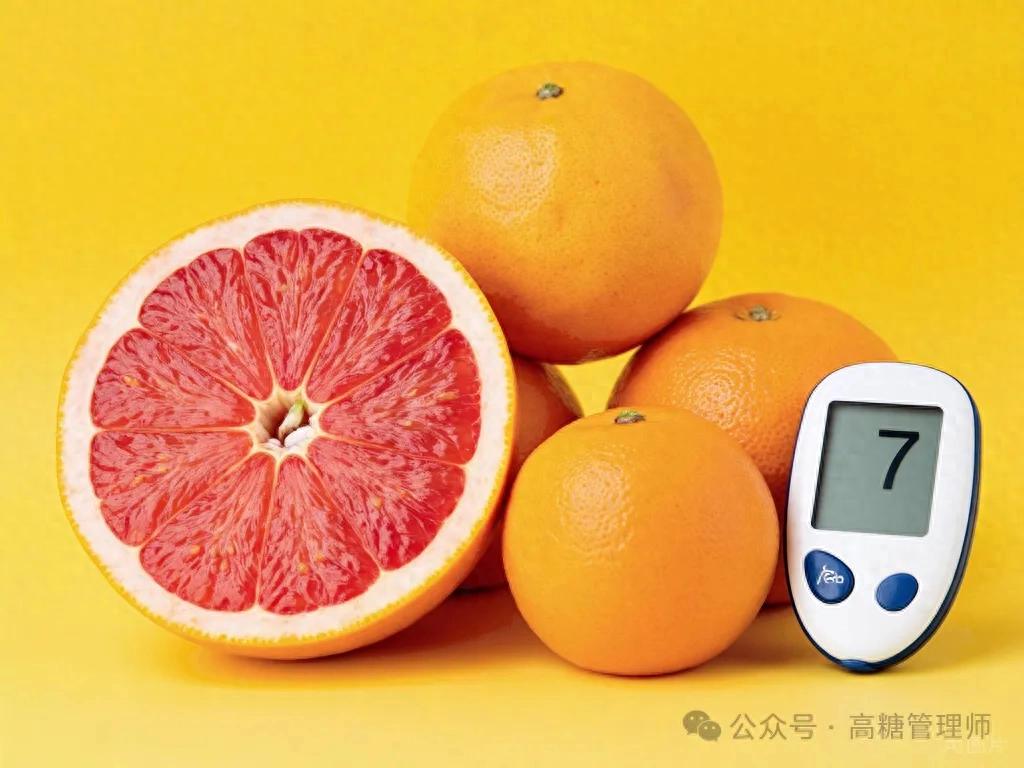
Stop overthinking! This "Citrus Fruit Consumption Guide" explains everything clearly for you at once!
Data Speaks: Who is the "Blood Sugar Control Champion"?
Let's first examine a comparison of core indicators:
Fruit | Glycemic Index (GI) | Glycemic Load (GL/100g) | Sugar content per 100 grams | Comprehensive Evaluation |
Grapefruit | 约25(Low) | 约2.3(Low) | 约9.5 grams | First-line recommendation |
Orange | 约43(Low) | 约4.4(Low) | 约11.1 grams | Secondary Recommendation |
Orange | 约50(English) | 约5.3(English) | 约11.9 grams | Moderate and Cautious |
The conclusion is clear at a glance:
Grapefruit > Orange > Mandarin Orange
From a blood sugar control perspective, pomelo is the best choice!
Champion's Detailed Explanation: Why Recommend Grapefruit?
- Low GI and Low GLIt has the gentlest impact on blood sugar and is a true "low-glycemic fruit."
- Rich in "Natural Insulin"The components such as naringenin and chromium found in grapefruit help improve insulin sensitivity.
- Nutritional Treasure TroveRich in vitamin C, potassium, and dietary fiber, it enhances immunity and helps stabilize blood pressure.
⚠️ Important ReminderDiabetic patients taking antihypertensive drugs (especially calcium channel blockers such as nifedipine), statin lipid-lowering drugs, sleeping pills, etc.,Consult a doctor without failbecause grapefruit (especially pomelo) may affect drug metabolism.

Runner-up and Third Place: How to Choose Between Oranges and Tangerines?
- OrangeThe GI value remains at a low level, with an extremely high vitamin C content and rich in fiber (especially when consuming the white pith part), making it a balanced choice.
- OrangeThe taste is the sweetest, with a GI value approaching the medium level, leading to a relatively rapid increase in blood sugar, requiring stricter portion control.
Four Golden Rules for Diabetics Eating Citrus Fruits
Regardless of which option you choose, following these principles will ensure a safe and healthy diet:
Rule One: Choose the Right Time to Eat
- Eat between meals(such as 10 AM or 3 PM), as a snack.
- AvoidTake it immediately after meals to avoid causing a superimposed increase in blood sugar.
- AvoidTake before bedtime to avoid nocturnal blood glucose fluctuations.
Rule Two: Strictly Adhere to the "Portion Control"
- GrapefruitDaily Recommendation2-3 cloves(approximately 150 grams of pulp).
- OrangeDaily RecommendationHalf a medium-sized(Approximately 150 grams).
- OrangeDaily Recommendation1-2 small to medium-sized(Approximately 150 grams).
- ✅ CoreTotal daily fruit intake should be controlled within150-200 gramswithin, and must be included in the total daily calorie intake.
Rule Three: Prioritize "Natural State"
- Absolute preferenceEatWhole fresh fruitretaining all dietary fiber.
- Try to avoid as much as possibleJuice, canned fruit, and preserved fruit. The sugar content and glycemic index of a glass of orange juice far exceed those of a whole orange!

Rule Four: Learn to "Combine Foods Wisely"
When eating fruits, they can be paired with a small amount ofNuts(such as 3-5 walnuts, a handful of almonds) orSugar-free yogurtProtein and fat can further delay sugar absorption, leading to more stable blood sugar levels.
Summarize
For People with DiabetesUltimate Advice on "Citrus Fruits":
- First choice grapefruitLow GI and low GL, blood sugar-friendly.
- Second choice: OrangesNutrient-rich, remember to consume Bai Luo.
- Choose Oranges CarefullyControl portion sizes to avoid overeating.
- Remember the ruleEat between meals, control portion sizes, consume whole foods, and pair appropriately.
Remember this mnemonic:Grapefruit is the top choice, oranges can satisfy cravings, tangerines should be eaten in moderation, and fruit juice must be avoided at all costs!
Finally, the most important reminder:Individual differences exist.After trying a new fruit, it is best toCheck blood sugar 2 hours after a mealUnderstanding the true reactions of your own body is the most reliable "personalized guide."
May this guide help you enjoy the refreshing sweetness of citrus fruits with peace of mind this winter!