Diabetic patients can stabilize blood sugar, strengthen the heart, and promote longevity with these winter exercises.
For people with diabetes, exercise is never "optional" but "essential"! Especially during winter when physical activity tends to decrease, regular exercise not only helps stabilize blood sugar but also serves as a "good medicine" for protecting the heart and improving quality of life. Today, we present you with a specially designedWinter Sports Cold Protection Guide!

Click on the avatar above to follow and join the group to learn blood sugar control skills
Why is winter exercise particularly important for people with diabetes?
1️⃣Combatting Blood Sugar Fluctuations in WinterCold temperatures prompt the body to secrete more glucose-raising hormones, while exercise effectively enhances insulin sensitivity.
2️⃣Guard Cardiovascular HealthDiabetes is prone to be complicated by cardiovascular diseases, and winter is a high-incidence period. Regular exercise can enhance heart function and improve blood circulation.
3️⃣Enhance overall vitalityImprove mood, combat "winter blues", enhance immunity, and warm both body and heart.
⚠️ Winter Sports, Safety First! (Must-Read)
- Monitor blood glucoseAlways measure blood glucose before and after exercise! Avoid exercising when fasting (<5.6mmol/L) or when levels are too high (>16.7mmol/L).
- Warm up thoroughlyIn winter, joint stiffness requires extending warm-up time to 10-15 minutes.
- Prevent Cold and Prevent SlippingWear multiple layers of warm, breathable clothing and choose anti-slip footwear to prevent falls.
- Adjust in a timely mannerFollow medical advice and choose appropriate exercise based on individual conditions, especially for those with complications.
Indoor Exercise Preferred (Warm and Safe)
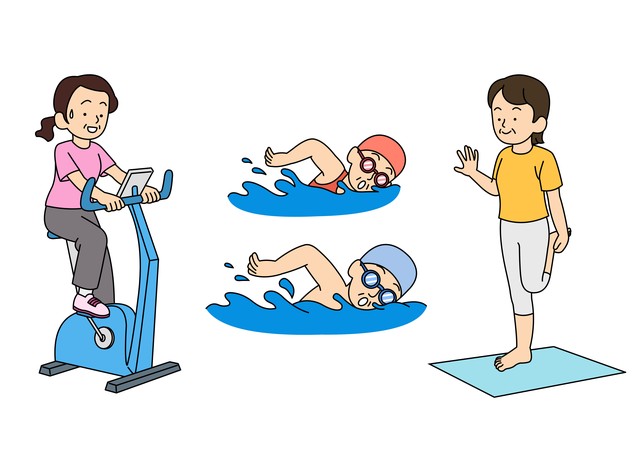
1. Home Aerobics/Workout Videos
Suitable forAll individuals with diabetes, especially those who have difficulty going out.
⏰Recommendation20-30 minutes daily, moderate intensity (light sweating, able to talk but not sing).
RecommendTai Chi, Baduanjin, gentle yoga, online fitness classes. Avoid excessive jumping movements.
2. Indoor Stepping/Stationary Jogging
MethodTurn on the music and perform marching or jogging in place, which can be combined with arm swinging.
✅AdvantagesNo equipment needed, minimal space requirement, can be performed anytime, and intensity is easily controlled.
3. Resistance Training (Strength Exercises)
EffectIncreasing muscle mass, as muscles serve as "glucose storage warehouses," can lead to long-term improvement in blood sugar levels.
️♂️RecommendUse resistance bands, small dumbbells, or perform bodyweight exercises such as wall squats, seated leg raises, and push-ups (on knees).
Frequency2-3 times per week, separated from aerobic days.
Outdoor Exercise Guide (Sunlight and Fresh Air)
1. Midday Brisk Walking/Jogging
☀️Optimal timingBetween 10:00 AM and before 3:00 PM, when temperatures are higher and sunlight is abundant.
LocationFlat, dry parks or trails with minimal pedestrian and vehicle traffic.
RecommendationTravel with companions, inform family of the route, carry sugar cubes and an emergency card.
2. Winter Sunlight Walk
FemaleIntensityMild and comfortable, to the extent that one does not feel cold.
AttentionWear a hat and gloves to protect your ears and extremities.
Example of "Winter Exercise Package" Specifically for Diabetics
Package Type | Exercise Combination | Duration | Intensity Perception | Tips |
♀️ Soothing Type | Warm-up 5min + Tai Chi/Yoga 20min + Stretching 5min | Approximately 30 minutes | Physical and mental relaxation, slight warmth | Suitable for elderly, newly diagnosed, or physically weaker individuals with diabetes |
Classic | Warm-up 10min + Home Aerobic Exercise 20min + Resistance Band Training 10min + Stretching 5min | Approximately 45 minutes | Slight sweating, increased heart rate and respiration. | Suitable for most patients with stable diabetes |
Sunshine Type | (Choose a sunny day) Warm-up for 10 minutes + Brisk walking at noon for 30 minutes + Stretching for 5 minutes | Approximately 45 minutes | The pace is brisk, and the body is warm. | When going out, be sure to keep warm and stay hydrated. |
Warm Suggestions to Keep Exercise Going
- Set small goalsFor example, "exercise 5 days a week, 25 minutes each day," and reward yourself upon completion.
- Find enjoymentWatch TV while stepping, exercise by listening to favorite music or podcasts.
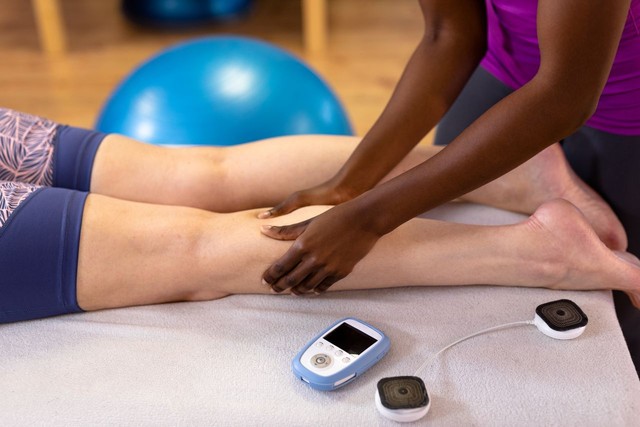
- Family members accompanyingInvite family members to join, combining exercise with companionship and mutual supervision.
- Record changesRecord post-exercise blood glucose levels, sleep, and mood changes to experience positive feedback.
Conclusion
Exercise is a long-term health insurance that people with diabetes give to themselves. This winter, don't hibernate; let's get moving together! Use regular exercise to warm up your body, boost your heart, stabilize your blood sugar, and keep the tree of life evergreen!