For elderly diabetic patients, what blood glucose level is considered as meeting the standard? Not 7!
Elderly Diabetics Must Read! Blood Sugar Control Is Not the Lower the Better, Do You Understand This "Safe Range"?
Doctor, my fasting blood sugar was only 5.0 today. Is that within the target range?
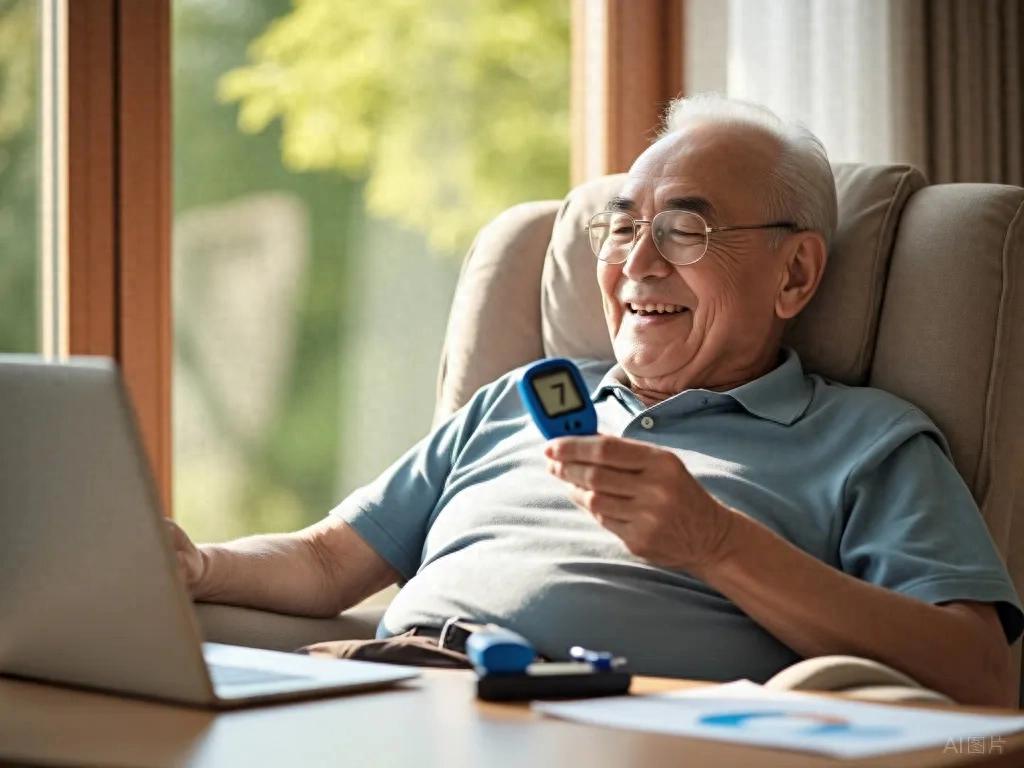
At the outpatient clinic of Lanzhou Ruijing Diabetes Hospital, Deputy Chief Physician Ren Shuhong often hears elderly diabetic patients ask such questions. However, she always patiently explains, "For elderly diabetic patients, blood sugar control is not the lower the better. Finding the 'safe range' suitable for you is the key."
The Dilemma of Blood Glucose Control: Complications versus Hypoglycemia Risk
01
Director Ren Shuhong pointed out that many elderly diabetic patients have fallen into the misconception that "the lower the blood glucose value, the better." While strict blood glucose control can indeed reduce the occurrence of diabetic complications, for the elderly, overly stringent glucose management may pose greater health risks—Hypoglycemia。
The harm of hypoglycemia to elderly diabetic patients is often more severe than mild hyperglycemia, explained Director Ren. Hypoglycemia can lead to falls, arrhythmias, cognitive dysfunction, and even trigger cardiovascular and cerebrovascular accidents. Particularly for elderly patients with existing complications or those taking specific hypoglycemic medications, we need to set blood sugar control goals with greater caution.
Personalized Blood Sugar Control: Analysis of Blood Glucose Targets for Three Types of Elderly Diabetic Patients
02
According to the Chinese Guidelines for the Diagnosis and Treatment of Diabetes in the Elderly (2024 Edition), Director Ren Shuhong categorizes elderly diabetic patients into three types and provides corresponding blood glucose control recommendations
Elderly diabetic patients in good physical condition
- Strong ability to perform daily self-care activities with few complications.
- Not using high-risk hypoglycemic agentsFasting blood glucose 5.0-7.2 mmol/L, bedtime blood glucose 5.0-8.3 mmol/L
- Users of high-risk hypoglycemic agents(such as insulin, sulfonylureas): fasting blood glucose 5.0-8.3 mmol/L, bedtime blood glucose 5.6-10.0 mmol/L
Elderly diabetic patients in fair physical condition
- With mild cognitive impairment or multiple comorbidities
- Not using high-risk hypoglycemic agentsFasting blood glucose 5.0-8.3 mmol/L
- Patients using high-risk hypoglycemic agentsFasting blood glucose 5.6-10.0 mmol/L
Elderly diabetic patients in poor physical condition
- With severe complications or moderate to severe cognitive impairment
- Control targets are more lenientFasting blood glucose can be relaxed to 5.6-10.0 mmol/L
Director Ren specifically emphasized, "These standards are for reference only. The blood glucose control target for each elderly diabetic patient should be determined in consultation with a specialist doctor, taking into comprehensive consideration factors such as age, physical condition, complications, and medication usage."
Director Ren Shuhong's Nine Tips for Blood Sugar Control
03
In addition to focusing on blood glucose levels, Director Ren Shuhong also offers nine practical daily life recommendations for elderly individuals with diabetes.
- Do not blindly dietEnsure adequate nutritional intake to prevent muscle loss
- Smart Pairing of Staple FoodsAdd coarse grains, paired with protein and vegetables
- Adjust the order of food intakeVegetables first, then meat, and finally staple foods
- Adequate high-quality proteinConsume dairy products, eggs, and soy products in moderation
- Moderate sun exposurePromote vitamin D synthesis and protect bones and nerves
- Adhere to moderate exercise150 minutes of aerobic exercise per week plus 2-3 resistance training sessions
- Active hydrationNo less than 1500 milliliters per day
- Regular sleep scheduleEnsure 6-8 hours of quality sleep
- Maintain a positive mindsetBe positive and optimistic, reduce stress
Diabetes management is a long-term battle, especially for our elderly friends. Director Ren Shuhong concluded, We should not only focus on blood sugar numbers but also pay attention to quality of life. Under the guidance of professional doctors, finding a suitable rhythm for blood sugar control can help manage the condition while enjoying a healthy later life.