Why does blood sugar remain high for diabetic patients who take medication on time and control their diet? The root cause lies here.
Many people with diabetes often ask experts, "I pay close attention to my diet and take my medication on time, so why does my blood sugar still fluctuate like a roller coaster?" In response to this common concern, Deputy Chief Physician Ye Aiguo, an outpatient expert at Lanzhou Ruijing Diabetes Hospital, points out that aside from the well-known factors of diet and medication, there is a hidden "blood sugar disruptor" that is often overlooked—it isLong-term mental stress and emotional fluctuations, often overlooked by many, will be explained in detail today.
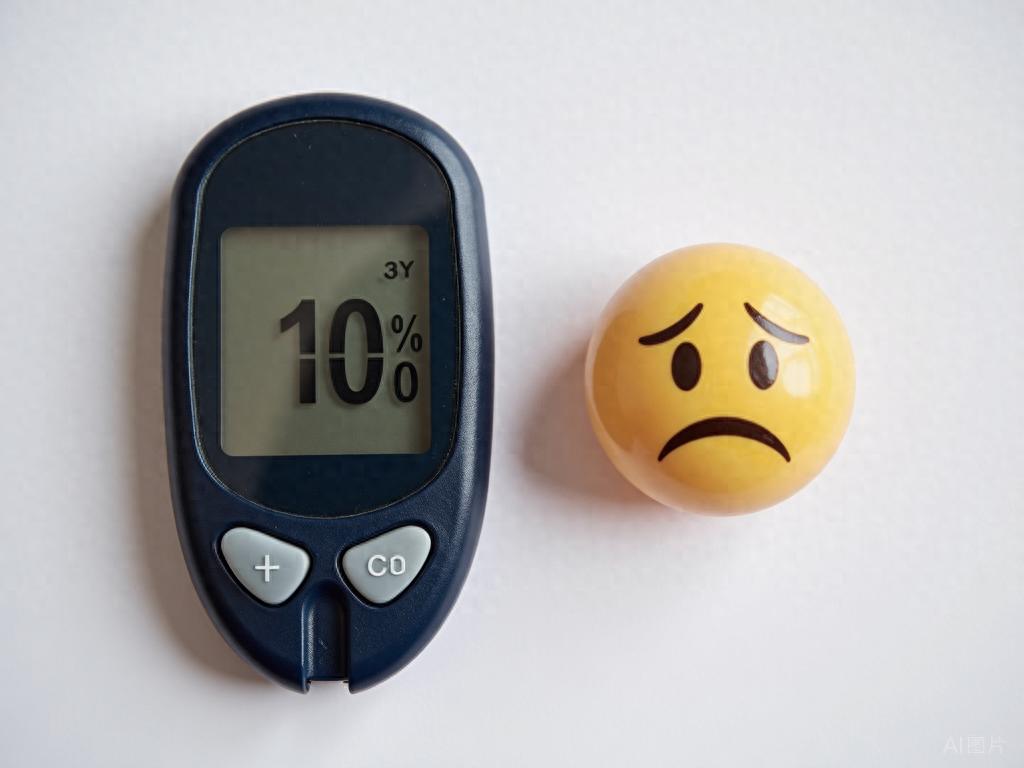
Stress: The Overlooked Switch of Glycemic Hormones
Director Ye Aiguo explained that the regulation of blood glucose in the human body does not rely solely on insulin. When a person is in a state of tension, anxiety, high stress, or low mood, the body instinctively activates the "fight or flight" stress response.
At this point, the body secretes a large amount ofAdrenaline, CortisolThese hormones act in direct opposition to insulin:
- They directly stimulate the liver to break down glycogen and release more glucose into the bloodstream.。
- They reduce the sensitivity of tissues such as muscles to insulin, thereby exacerbating insulin resistance.。
It's like you're trying to use insulin (or your own secreted insulin) as a 'key' to unlock and lower blood sugar, Director Ye gave a vivid analogy, while stress hormones are constantly producing new glucose and blocking the keyhole. Under this double assault, blood sugar naturally struggles to remain stable.
Emotional Fluctuations and the "Vicious Cycle" of Blood Sugar
What's more challenging is that unstable blood sugar itself can cause discomfort such as palpitations, fatigue, and irritability. These physical symptoms, in turn, can exacerbate the patient's anxiety and worry, thereby forming aPoor mood leads to high blood sugar, which in turn worsens moodThe vicious cycle.
Director Ye observed in outpatient clinics that many patients with long-term poorly controlled blood sugar often have varying degrees of sleep disorders, high work-life stress, or emotional management issues. "Focusing solely on food and medication while neglecting the psychological 'internal environment' makes the journey of blood sugar control twice as hard with half the results."
How to break the cycle? Director Ye offers "mindset" advice
01
Step One: Awareness and Recording
- It is recommended to prepare a "blood sugar-emotion diary" to briefly record your mood and stressful events when measuring blood sugar. After maintaining this practice for a period of time, you may clearly see the correlation between emotions and blood sugar levels.
02
Step Two: Learn Scientific Stress Reduction Techniques
- Not simply "relaxation"Director Ye recommends some evidence-based methods, such asMindful Breathing(5-10 minutes daily, focusing on breathing)Gentle walking、Listening to soothing musicThe key lies in regularity and persistence, integrating it into daily life.
03
Step Three: Establish a Support System
- Do not bear it alone. Communicate your feelings honestly with family members, or join a reliable diabetes community. Expressing, sharing, and exchanging experiences are in themselves effective ways to release stress.
04
Step Four: Seek Professional Help When Necessary
- If long-term anxiety and depression significantly impact daily life and blood sugar levels, one should proactively inform their doctor or seek help from a psychologist or psychiatrist. Modern medicine recognizes that managing emotions is an indispensable part of comprehensive diabetes treatment.
Director Ye Aiguo finally emphasized:
“Managing diabetes is essentially about managing life.Physical health and mental health are two complementary legs. When you start paying attention to and caring for your emotions, you may be pleasantly surprised to find that not only does blood sugar become more 'obedient,' but the overall quality of life also improves.
On the path to blood sugar control, do not forget that caring for yourself is a good prescription for stabilizing blood sugar. Ruijing medical staff are here to protect you!