For diabetics to drink milk and maintain good blood sugar levels, these three types must be avoided at all costs
Can people with diabetes drink milk? This is a question many individuals with diabetes often ponder. Faced with a wide array of milk products on the shelves—full-fat, skimmed, high-calcium, flavored—how should one choose to both supplement nutrition and avoid causing blood sugar levels to fluctuate dramatically?
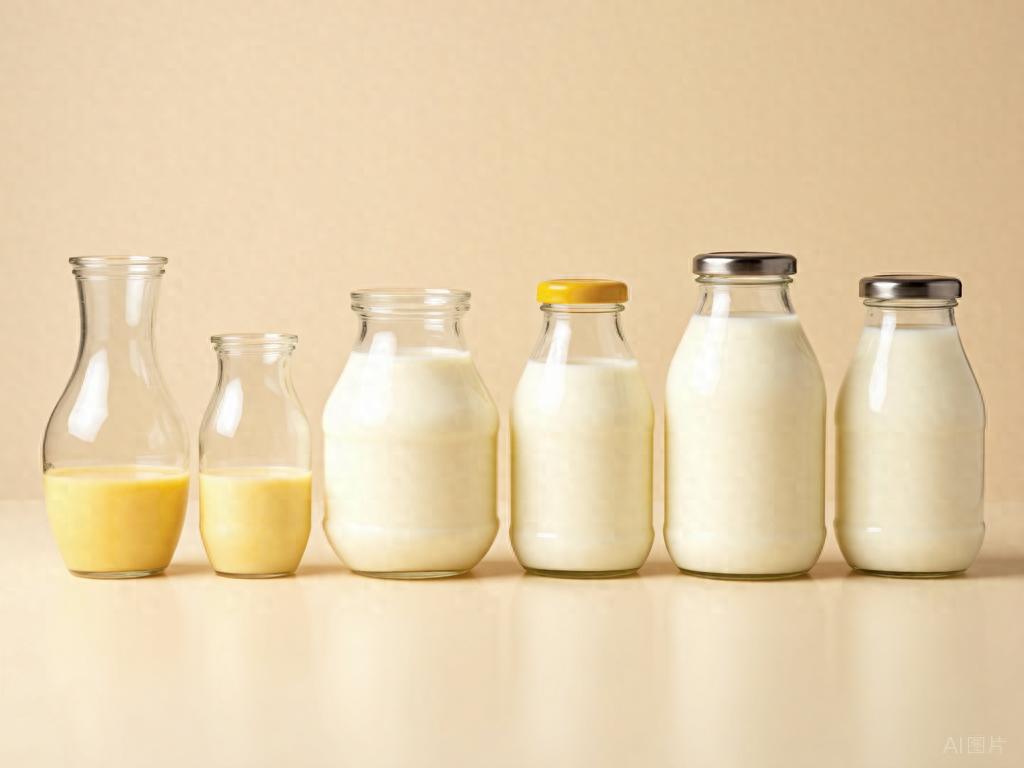
Milk is an excellent source of high-quality protein and calcium, crucial for maintaining bone health and boosting immunity. However, for individuals with diabetes who need to strictly manage their blood sugar levels,Drinking the right milk is a plus, but drinking the wrong kind may become an invisible driver of blood sugar。
Today, we will clear the fog and tell you which three types of milk to choose with caution, while offering the "golden rules" for scientifically consuming milk.
01 Nutrition and Blood Sugar Control, The Value and Myths of Milk
Milk possesses unique nutritional value for individuals with diabetes. It is rich inHigh-quality proteinHelps enhance satiety and stabilize postprandial blood glucose; rich inCalciumNot only does it maintain bone health, but some studies also suggest that adequate calcium intake may be associated with better blood sugar regulation.
The glycemic index (GI) of plain whole milk itself is not high.It is approximately between 27 and 32, which falls into the category of low GI foods. This means it is digested and absorbed at a slower rate, resulting in relatively gentle fluctuations in blood sugar levels.
The real issue often lies not in milk itself, but in our choice of "impure" milk products. The additional ingredients added to these products are the true culprits behind blood sugar dysregulation.
Understanding this is the first step for people with diabetes to consume milk scientifically. Do not rush to put down the milk in your hand; let us first identify the three types of milk that require caution.
02 The first type of trap, flavored milk containing added sugar
First and foremost, it is essential to clearly avoid variousFlavored milk with added sugarThis is the most unfriendly "minefield" for blood sugar.
Please carefully review the product ingredient list. If you see "White granulated sugar, cane sugar, high fructose corn syrup, honey, condensed milkIf such terms appear among the first few ingredients on the list, decisively return the product to the shelf.
This category of products includes:
- Breakfast MilkOften added sugar and grain powder.
- Chocolate milk, strawberry milk, and other flavored milkThe sugar content is often alarmingly high.
- The so-called "children's growth milk"To cater to taste preferences, most are additionally sweetened.
- Some "high-calcium milk" and "fruit-flavored milk"。
Added sugars are rapidly absorbed, causing a sharp spike in blood glucose.while also increasing unnecessary calorie intake, which is not beneficial for weight control. Diabetic patients should choose milk,One of the core principles is "no added sugar"。
03 The second type of trap, completely skimmed milk
You may have heard that "fat is bad for people with diabetes," and therefore tend to chooseSkim milkBut this may be a misconception.
During the fat removal process, the precious fat-soluble vitamins in milk, such as vitamins A, D, and E, are also significantly lost. More importantly,The removal of fat significantly impacts satiety.。
A study published in the European Journal of Clinical Nutrition indicated that participants who consumed whole milk had a lower risk of obesity compared to those who consumed skim milkGreater satiety and reduced subsequent food intake intention。
For individuals with diabetes, moderate fat intake helps delay gastric emptying, allowing carbohydrates to be absorbed more slowly, thereby resulting in a smoother blood glucose curve.Completely eliminating fat is not a wise choice。
04 The third type of trap, "flavored" fermented milk and milk-containing beverages.
The third category of products that requires special vigilance isFermented milk with the word "flavor"and those seemingly milk-like "milk-containing beverages".
- "Flavored" Yogurt/Lactic Acid Bacteria BeverageThe first ingredient listed is usually water, and the second is white sugar. Essentially, they areSugar waterThe protein content is far lower than that of real milk, significantly reducing its nutritional value.
- Certain "sour milk" and "yogurt drinks"It falls under the beverage category, not dairy products.
- Some "grain milk beverages" and "walnut milk beverages"Note the term "beverages," which may also be high in sugar and low in protein.
The identification method is simple: check the product type and look for the "Fermented milk,Pasteurized milk,Sterilized MilkThese words, avoidFlavorandBeverages/Drinks.
05 Scientific Selection, A Safe Milk List for Diabetics
Having avoided the pitfalls, what should people with diabetes choose? The following three categories are safe choices:
Preferred: Whole or low-fat plain milk
This is the most basic and recommended option. Whole milk provides strong satiety and retains complete nutrition; if combined with hyperlipidemia, you may chooseLow-fat milk(Fat content 1%-1.5%). Recommended daily intake250-300 milliliters。
Quality Alternative: Sugar-Free Yogurt
Homemade or sugar-free plain yogurtIt is an excellent choice. The fermentation process converts some lactose into lactic acid, making it more friendly for people with lactose intolerance, and it is rich in probiotics, which are beneficial for intestinal health.
Convenient Choice: Sugar-Free Milk Powder
Pure milk powder (no added sugar) is convenient for storage and precise measurement, with flexible preparation. Check the ingredient list to ensure it contains only "Raw cow's milkOne.
When choosing any dairy product, develop the habit ofFirst check the ingredient list, then review the nutrition facts tableHabit. The shorter the ingredient list, the better. Pay attention to the nutrition facts label.Carbohydrate ContentThe lower the better, pure milk is generally around 5g/100ml.
06 Drinking Details: Timing, Pairing, and Monitoring
Choosing the right milk and drinking it correctly can double the benefits:
- Recommended Timing for Consumption:As a snack(such as 10 AM or 3 PM), orTake with mealsAvoid drinking on an empty stomach, especially for those with lactose intolerance.
- Perfect MatchPairing with a small handful of nuts (such as 10 grams of almonds) or a slice of whole wheat bread can further stabilize the glycemic response in a mixed meal.
- Essential monitoringAfter the initial attempt at a certain type of milk or a change in drinking habits,Be sure to measure postprandial 2-hour blood glucose.This is the only gold standard for understanding individual responses. If a particular type of milk is found to cause abnormal blood glucose elevation, it is necessary to adjust the variety or reduce the quantity.
Mastering these details can transform milk from a "perplexing food" into a "nutritional assistant" on your journey to controlling blood sugar.
Remember this "321 Milk Drinking Rule" tailored for people with diabetes:
3 Don't TouchDo not touchSweetened milkDo not touchSkimmed milkDo not touchFlavored Beverage Milk。
2 will lookWill readIngredient ListThe cleaner, the better.Nutrition FactsCarbohydrates should be low.
1. Fixed measurementAfter drinkingBlood glucose must be measuredUnderstand individual responses.
Milk is a natural treasure trove of nutrients, and individuals with diabetes need not exclude it entirely. The key lies inApply knowledge to make informed choicesAvoid the sugar-coated trap and choose pure, authentic dairy products to enjoy both deliciousness and nutrition while steadily controlling your blood sugar.
From today onward, confidently drink the right cup of milk that belongs to your health.