Diabetic Patients with Wrong Breakfast Choices Experience High Blood Sugar All Day Avoid Three Misconceptions and Eat This Way for Stable Blood Sugar
Many people with diabetes have experienced this: blood sugar spikes after breakfast, and it remains difficult to stabilize throughout the day, much like a roller coaster ride.Why is the first bite of food in the morning so crucialIt is not just a meal but the first metabolic signal your body receives after a night of sleep.
The key factors determining daily blood glucose levels actually begin to take effect from the moment you open your eyes. In the morning, the body is in a unique hormonal state—after an overnight fast, insulin sensitivity is lower, while counterregulatory hormones (such as cortisol) peak in the early morning, a phenomenon known as the "dawn phenomenon."
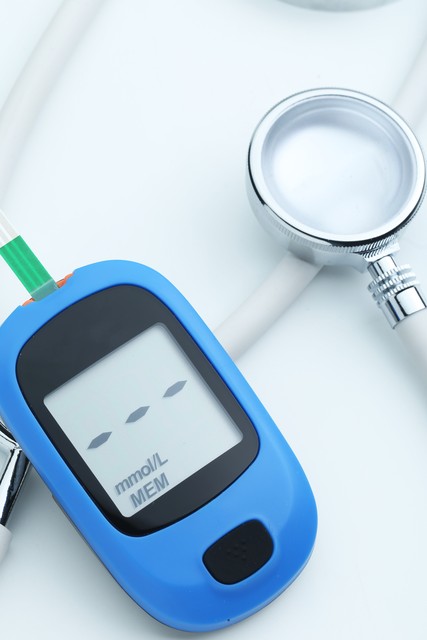
Your breakfast choice directly determines whether you will "add fuel to the fire" on this blood sugar surge or skillfully "achieve a smooth landing."
01 Morning Metabolism: Why the First Meal is So Crucial
After a night of sleep, your body has consumed some of its liver glycogen. In the early morning, the body releases more glucose-raising hormones such as cortisol to help awaken the system, which causes the liver to produce more glucose that enters the bloodstream, resulting in the "dawn phenomenon."
At this point, if your breakfast contains a large amount of easily digestible carbohydrates, it will coincide with the body's natural tendency for blood sugar to rise.Superimpositionresulting in a "double hit" to blood sugar levels, leading to excessively high post-breakfast blood sugar peaks.
An unstable high starting point often triggers a chain reaction: to manage high blood sugar, you may require more medication or insulin, which in turn increases the risk of subsequent hypoglycemia, forcing the body to activate its glucose-raising mechanisms once again.
Breakfast is like the first domino, and the way you knock it over determines the direction of the entire row that follows.A stable start lays a solid foundation for stable blood sugar throughout the day; an uncontrolled start may leave you exhausted in the cycle of chasing highs and compensating for lows.
More importantly, the quality of breakfast directly affects your hunger before lunch and your food choices for lunch. Stable blood sugar levels provide lasting satiety, preventing you from consuming unnecessary calories during mid-morning snacks.
02 Three Breakfast Misconceptions, Hidden Drivers of Blood Sugar Spikes
Many individuals with diabetes may inadvertently step on these "blood sugar landmines" with their breakfast habits:
Misconception One: Breakfast Consisting Solely of Staple Foods
Typical examples: plain congee with steamed buns, noodles, bread with jam. These combinations consist almost entirely of refined carbohydrates, lacking the buffering effect of protein and dietary fiber, leading to extremely rapid digestion and absorption, which causes a sharp postprandial blood glucose spike. Although plain congee is mild, its high degree of gelatinization may result in a faster glycemic response than white sugar.
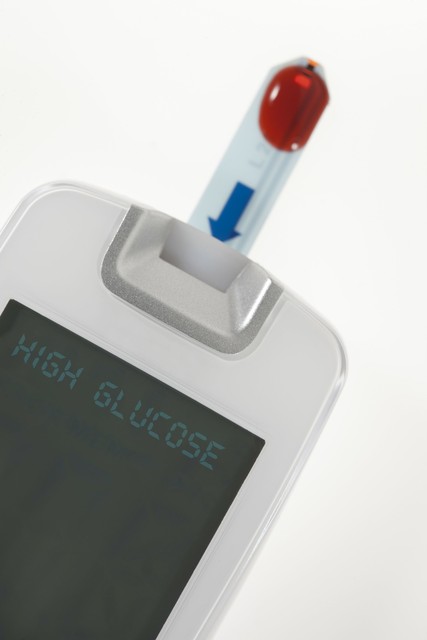
Misconception Two: The Hidden Sugar Trap
Many seemingly healthy breakfast foods actually contain surprisingly high amounts of sugar: some flavored yogurts, fruit juices, sweetened soy milk, sweetened cereals, jams, etc. These "hidden sugars" are quickly absorbed, rapidly raising blood sugar levels.
Myth 3: Eating Breakfast Too Late
Delaying breakfast for 1-2 hours after waking up allows blood sugar-raising hormones to continue acting, with the liver constantly releasing glucose, which may lead to "reactive hyperglycemia" after prolonged fasting. It is ideal to eat breakfast within one hour of waking up.
03 Scientific Breakfast Principles: Remember the "Three Dos and Three Don'ts"
To build a blood sugar-friendly breakfast, please follow these core principles:
The "Three Don'ts" Principle:
- Do not only eat staple foods (carbohydrates)
- Do not consume added sugars
- Do not skip breakfast or eat too late
The "Three Musts" Principle:
- Ensure high-quality proteinProtein can delay gastric emptying and significantly reduce postprandial blood glucose response. It serves as a "stabilizing anchor" for breakfast.
- Add an appropriate amount of healthy fatsThe fats found in foods such as nuts and avocados can further slow down the absorption rate of carbohydrates.
- Choose high-fiber carbohydratesWhole grains and legumes are rich in dietary fiber, which can form a physical barrier to slow down sugar absorption.
A simple proportional reference:On the breakfast plate, approximately 1/4 consists of high-quality protein foods, 1/4 is whole grain staple foods, and 1/2 is non-starchy vegetables(If there is space).
04 Blood Sugar-Friendly Breakfast Combination Recommendations
The following combinations balance nutritional equilibrium with stable blood glucose levels, allowing individuals with diabetes to rotate their selections:
Combination One: Classic Chinese Modified Version
- Staple food: a small bowlMultigrain PorridgeOats, brown rice, and legumes mixed together raise blood sugar much more slowly than plain white rice porridge or aWhole Wheat Steamed Bun/Buckwheat Noodles
- Protein: One boiled egg, or one servingSugar-free soy milk/Tofu pudding
- Vegetables: a small dishCold Tossed Green Vegetablesor cucumber, tomato
- Avoid: pickled vegetables, salted vegetables (high salt content), can be replaced with a small amount of cold dressed vegetables
Combination Two: Convenient Western Combination
- Staple Food: 1-2 SlicesWhole wheat breador a small bowlPlain Oatmeal(Not Ready-to-Eat)
- Protein: One cupSugar-free yogurt(or milk), a boiled egg
- Healthy Fats:A small handful of nutsApproximately 10 grams, such as walnuts or almonds.
- Vegetables and fruits: a few lettuce leaves and tomato slices in a sandwich, or half an apple
Combination Three: Innovative Mixed Meal
- Vegetable Egg PancakeUse whole wheat flour or bean flour as the base, add vegetables such as spinach and onions, and fry with eggs.
- Pairing: A cup of unsweetened soy milk or milk
- Features: Skillfully integrates staple foods, proteins, and vegetables, with significant blood sugar control effects.
Key ReminderThe amount of staple food for breakfast should be precisely controlled based on individual circumstances. For an average adult with diabetes, it is recommended to control the amount of staple food for breakfast (raw weight) to50-75 gramsLeft and right (approximately half to one bowl of mixed grain rice), specific adjustments should be individualized.
05 Easily Overlooked Key Details
Beyond what you eat, these details also influence your blood sugar trends throughout the day:
The sequence of eating meals holds scientific significanceTry followingVegetables → Protein → Staple FoodThe order of eating is as follows. Consuming vegetables and protein foods first can initiate the secretion of intestinal hormones in advance, thereby slowing down the absorption rate of subsequent staple foods.
Moderate activity after breakfastAfter breakfastRest for 15-30 minutes, then engage in 10-20 minutes of light activitysuch as walking or doing household chores, can effectively enhance muscle glucose uptake and reduce postprandial blood glucose peaks. Avoid sitting still immediately after eating.
Continuous Monitoring to Identify PatternsRegular monitoringBefore breakfast, 2 hours after breakfastMonitor your blood sugar to understand the impact of different food combinations on your individual body. This is the most reliable basis for adjusting your breakfast plan.

Hydration begins in the early morningDrinking a glass of warm water after waking up in the morning helps dilute the blood, promote metabolism, and replenish the water lost by the body during the night.
Your morning sets the tone for your blood sugar throughout the day.A scientific breakfast is not about strict restrictions, but rather about intelligent combinations that allow you to enjoy delicious flavors while giving your body a smooth and powerful start.
Remember this core:High-quality protein plus high-fiber staple foods and plenty of vegetables, avoiding the pitfalls of refined sugars and pure staple foods.Starting from tomorrow's breakfast, observe the changes in your blood sugar—the more stable numbers will make you feel the immense power of your choices.
Managing blood sugar is a long-term journey, and every wise morning choice is the most solid step you take toward health.Start your day with stable blood sugar by having the right breakfast.