Postprandial Blood Sugar Always Spiking? Don't Panic! 4 "Sugar-Lowering Tools" to Use Right Away
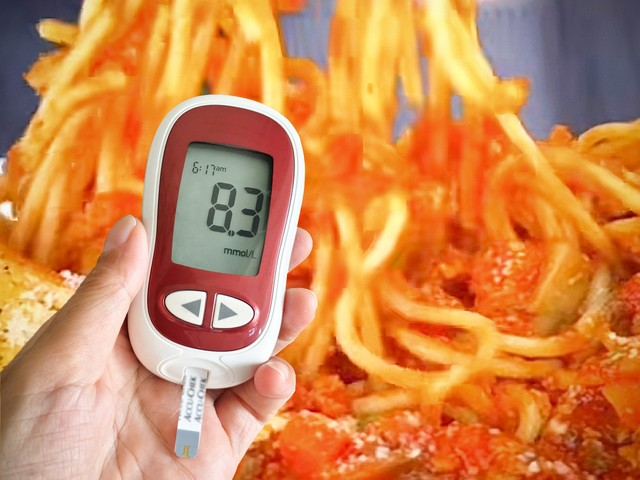
Every time after a meal, watching the numbers on the blood glucose meter rise rapidly, do you feel both anxious and helpless?
I don't eat much, so why can't I control my post-meal blood sugar?
This is probably a daily frustration for many people with diabetes. Postprandial blood sugar is like a mischievous roller coaster, constantly fluctuating. But don't worry, the control lever of this roller coaster is actually in your own hands
Excessively high postprandial blood sugar not only makes you uncomfortable in the moment but also acts as a hidden killer leading to diabetic complications in the long run. Today, we present you with several immediately usable tools for lowering blood sugar to help keep your postprandial glucose levels firmly within the safe range
01 Why Does Blood Sugar "Take Off" After Meals? Understand the Reasons First!
Before searching for a "parachute," we must first understand why blood sugar "takes off."
Simply put,Food is the "fuel", and insulin is the "transporter"When we eat, food (especially carbohydrates) is broken down into glucose and enters the bloodstream. At this point, the body needs to dispatch enough "transporters" (insulin) to "move" the glucose from the blood into cells for energy or storage.
If this process goes awry—for instance, if there is too much "fuel" (due to improper eating),Insufficient or inefficient "transporters"Insufficient insulin secretion or insulin resistance causes glucose to remain in the bloodstream, leading to postprandial hyperglycemia.
The most common reasons for "takeoff" are:
- Wrong food intakeExcessive intake of staple foods, or consuming too many refined grains, sweets, and other foods that rapidly raise blood sugar.
- The order is incorrectStarting off by eating half a bowl of rice first naturally causes blood sugar to spike immediately.
- Insufficient physical activityLying down immediately after a meal leaves glucose with nowhere to be consumed.
Understanding the cause allows us to target precisely!
02 The First Major Tool: Adjusting Meal Sequence for Immediate Results
Effect: Simple and Convenient:
This small change requires almost no extra effort, yet the effect is remarkably significant! The principle lies in giving the body a "buffer zone."
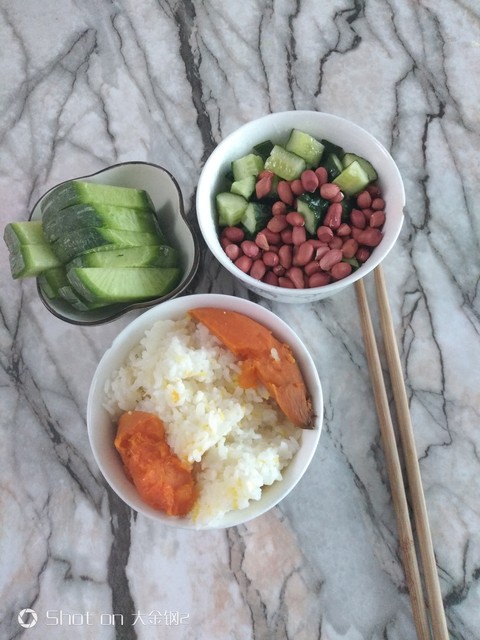
✅ Correct order: Drink soup → Eat vegetables → Eat meat/eggs → Eat staple food
- First, drink a small bowl of light vegetable soup.Warms the stomach and intestines, increases satiety, and prevents subsequent overeating.
- Eat an adequate amount of vegetablesEspecially green leafy vegetables, rich in dietary fiber, act like a "filter" that can slow down the subsequent absorption of sugar.
- Consume protein-rich foodsFish, shrimp, eggs, soy products, and similar foods contain slowly digestible proteins that provide a prolonged feeling of fullness and stimulate the body to secrete hormones in advance that help control blood sugar.
- Eat staple foods lastAt this point, a certain feeling of satiety has already been achieved, naturally leading to eating a few less bites of staple food. Moreover, the glycemic response of the staple food has been significantly slowed down.
TipsSet aside a small portion of the rice from this meal to eat with vegetables in the second step, and save the remaining half to eat last for better results!
03 The Second Major Tool: Post-Meal Scientific Exercise, A Powerful Boost!
Effect: Simple and Convenient:
Do not sit down immediately after a meal! When muscles are active, they act like a "sponge," directly absorbing glucose from the blood for energy without relying on insulin, making it a "natural shortcut" to lower post-meal blood sugar.
✅ Golden Protocol: 30 minutes after meals, engage in 20 minutes of activity
- Optimal Timing:30 minutes to 1 hour after a mealStart. At this point, blood sugar begins to rise, and exercise has the best effect on lowering blood sugar.
- Optimal Duration:15-30 minutesJust do it, persistence is key.
- Optimal Intensity:Moderate to low intensityfeeling slightly sweaty, with increased heart rate and breathing but still able to converse.
- Optimal choice:
- Walking♂️: The simplest and safest way is to walk around the living room or go downstairs for a stroll.
- Tai Chi or YogaSoothe the body and mind, improve insulin sensitivity.
- Doing household choresWiping tables, washing dishes, and sweeping the floor—killing two birds with one stone!
⚠️ Important ReminderIf pre-meal blood glucose is already low (<5.6 mmol/L) or insulin has been injected, it is advisable to have an appropriate snack before exercise and monitor blood glucose to prevent hypoglycemia. If blood glucose is too high (>16.7 mmol/L) or ketosis is present, exercise should be avoided, and a doctor should be consulted first.
04 The Third Key Strategy: Optimize Dietary Structure and Build a Solid Foundation!
Effect: Simple and Convenient:
What to eat is always the cornerstone of blood sugar control. Following these points can reduce the "takeoff" momentum from the source.
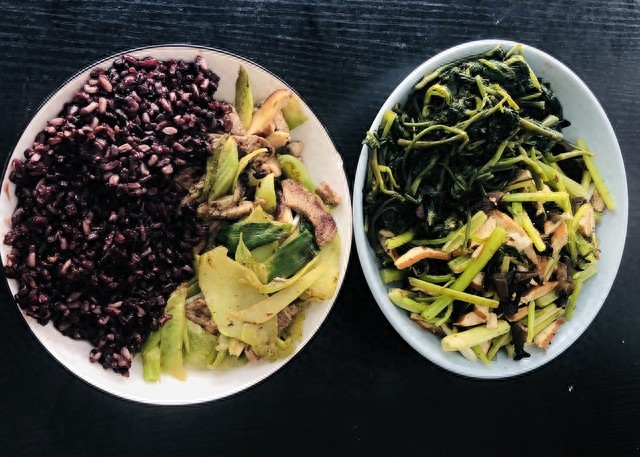
- Staple foods should be "coarser"Replace half of the white rice and white flour withBrown rice, oats, quinoa, buckwheatWhole grains have a much slower glycemic response.
- Learn to "Cut Corners" in CookingVegetables can be eaten raw or cold-tossed rather than overcooked, and rice can be cooked firmer with distinct grains to lower the glycemic index (GI).
- Beware of "Hidden Sugars"Sauces (ketchup, salad dressing), processed foods (sausages, meatballs), and sugary beverages should all be consumed in moderation.
- Portion ControlBuy a standard small bowl, measure staple food for each meal, and avoid having eyes bigger than your stomach.
05 The Fourth Major Tool: Adjust Medication According to Medical Advice, Professional Escort!
Effect: Simple: Requires professional guidance
If all the above lifestyle adjustments have been properly implemented and postprandial blood glucose levels remain unsatisfactory, it is essential to considerDoes the medication regimen require optimizationThis is not your fault, but a possible manifestation of disease progression.
- Timely CommunicationPlace yourPostprandial Blood Glucose RecordShow this to your doctor or diabetes educator in its entirety.
- Learn about new optionsCurrently, there are some medications specifically designed for postprandial blood glucose, such asAlpha-glucosidase inhibitors (such as acarbose)It can delay carbohydrate absorption.Rapid-acting insulin analogsetc. The doctor will determine whether adjustments or additions are necessary based on your specific condition.
- Do not adjust medication on your own.Any changes in medication must be conducted under professional guidance!
06 Essential Action: Conduct Monitoring to Stay Informed
The effectiveness of all efforts must be verified with a blood glucose meter!
- Key Time PointsMonitoring2-hour postprandial blood glucose(Start timing from the first bite of the meal).
- Control targetIt is generally recommended to keep it within<10.0 mmol/L(Follow personalized medical advice for specific goals).
- Keep a diaryNot only record blood glucose values, but also note downWhat was eaten, how much was eaten, and what was done after the mealPersist for a period of time, and you will clearly see which food and which method works best for you!
To summarize, the "combination punch" for managing postprandial blood glucose is:
Change the order of eating
♀️ Move around half an hour after meals
Pair coarse and fine grains for staple food
Timely Communication to Adjust the Treatment Plan
Monitor blood glucose regularly and keep records
Maintaining stable postprandial blood glucose is a long-term battle that requires patience and wisdom. Every successful control is an investment in future health. Do not be overly anxious about a single high reading. By identifying patterns and mastering methods, you can become an excellent commander of your own blood glucose
Starting from your next meal, try these methods! Wishing you stable post-meal blood sugar levels!