How many times a week should diabetics exercise to achieve the best blood sugar lowering effect? Exclusive exercise guide for you
Weekly exercise frequency:
✅Ideal frequencyAt least once a week5 days, preferablyPersist every day
✅Minimum requirementNo less than weekly3 timeswith an interval not exceeding 2 days
✅Exercise Duration30-60 minutes each time, gradually increasing from 15 minutes

Optimal Blood Glucose Lowering Exercise Regimen
1️⃣ Aerobic Exercise (Daily)
- Brisk walking/JoggingStarting 1 hour after a meal, 30 minutes per session
- Swimming/Water ExerciseJoint-friendly with excellent blood sugar-lowering effect.
- CyclingIndoors or outdoors, proceed at a constant speed.
- Dancing/Aerobic ExerciseFun and easy to stick with
Strength training (2-3 times per week)
- Elastic Band TrainingSafe and convenient, can be done at home.
- Light DumbbellUpper limb training, increase muscle mass
- Squat/Wall SitExercise the large muscle groups of the lower limbs
- PlankCore training, enhance stability
3️⃣ Flexibility and Balance Training (Can be done daily)
- Stretching exercisesMust-Do Before and After Exercise
- Tai Chi/YogaImprove balance, reduce stress
- Toe towel scrunchPrevention of Diabetic Foot
Sample Weekly Exercise Schedule
MondayBrisk walking for 30 minutes + Stretching for 10 minutes
TuesdayElastic band strength training 20 minutes + Yoga 15 minutes
WednesdaySwimming/Water Exercise 40 Minutes
ThursdayRest day (gentle stretching may be performed)
FridayCycling for 30 minutes + Light dumbbell training
SaturdayTai Chi/Aerobic Exercise 30 Minutes
SundayFamily Walk + Full Body Stretching

⚠️ Important Precautions
Monitor blood glucoseBlood glucose should be measured both before and after exercise.
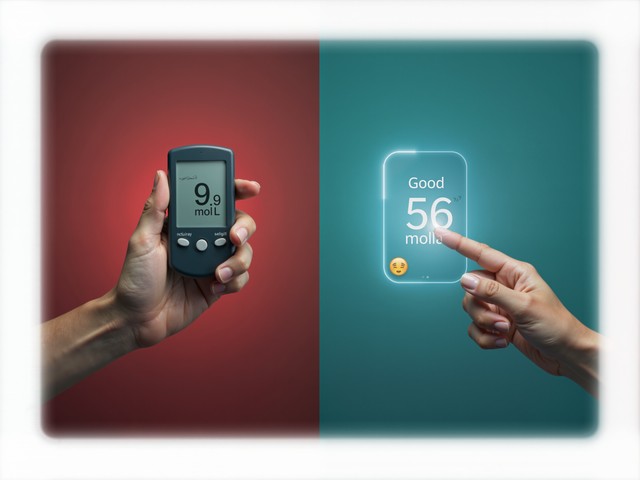
⏰Optimal timingStart exercising 1-1.5 hours after a meal
Beware of HypoglycemiaCarry candy and biscuits with you
Protect the FeetWear appropriate athletic shoes and socks
Replenish fluidsDrink an appropriate amount of water before and after exercise
Cease at the appropriate timeDizziness and palpitations require immediate rest
Secrets to Enhance Effectiveness
- Step by stepStart with low intensity and gradually increase
- Find a partnerMutual supervision provides greater motivation.
- Record changesRecord blood glucose levels before and after exercise
- Combined with dietExercise and dietary control go hand in hand
- Enjoy the processChoose a favorite sport and turn it into enjoyment
Warm Reminder
Each individual's physical condition varies. Before starting an exercise plan, it is advisable to consult a doctor or a professional health manager first! Especially for individuals with diabetes who have complications, a personalized plan is necessary.
Exercise is free medicine for lowering blood sugar, and persistence is the only secret!
Starting today, take the first step!