How often should diabetics measure their blood sugar? Doctors provide a mnemonic!
Dear friends with diabetes, do you often wonder:How often should blood sugar be tested?Testing too often brings fear of pain and hassle, while testing too little leaves you uncertain. Don't worry, today's guide will clear up all your doubts!
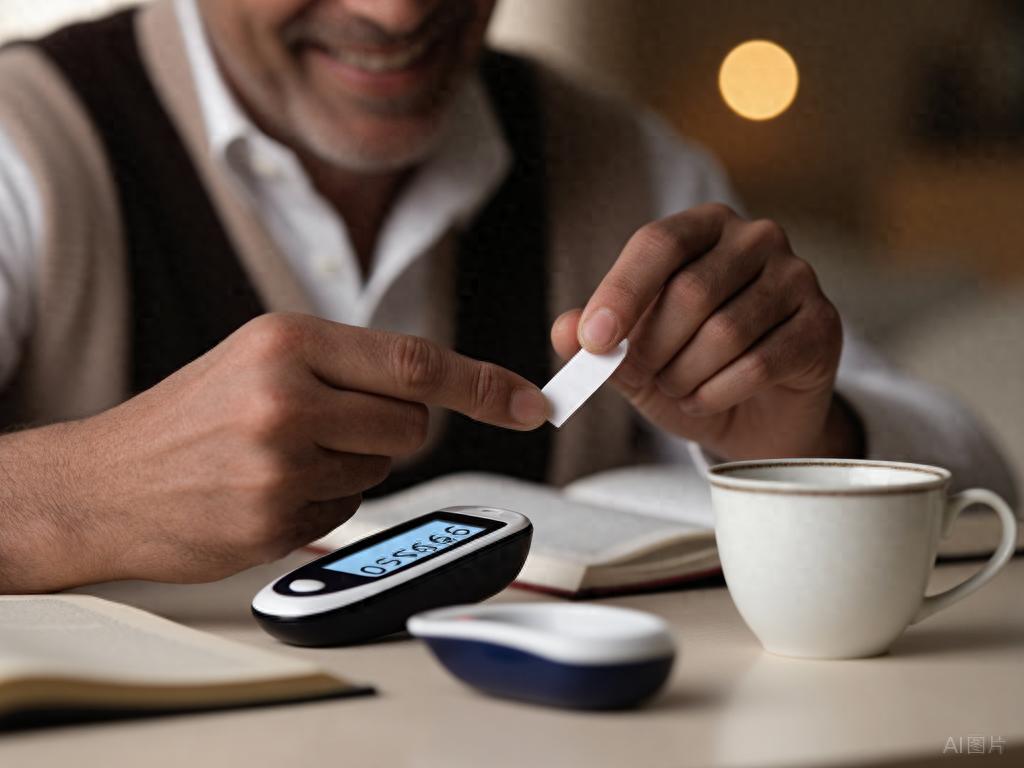
Core Principle: Personalized Monitoring, Determined by Specific Circumstances
1️⃣ Initial diagnosis or unstable condition period
Monitoring frequency:4-7 times per day
✅Recommended time point:
- Fasting blood glucose (upon waking, before eating)
- Blood glucose before three meals
- Blood glucose 2 hours after each meal
- Blood sugar before sleep
- Occasionally at 3 AM (when nocturnal hypoglycemia is suspected)
ObjectiveComprehensive understanding of blood glucose fluctuation patterns provides a basis for doctors to adjust treatment plans
2️⃣ Individuals on insulin therapy (especially those with multiple injections or using insulin pumps)
Monitoring frequency:At least 4 times per day
✅Basic Monitoring Point:
- Fasting blood glucose
- Blood glucose before three meals
- Additional testing under special circumstances:
- 2-hour postprandial blood glucose (to understand dietary impact)
- Bedtime blood glucose (to prevent nocturnal hypoglycemia)
- Before and After Exercise (Preventing Exercise-Related Blood Glucose Fluctuations)
3️⃣ Oral hypoglycemic agents or stable condition
Monitoring frequency:Choose 2-3 days per week, measuring 2-4 times daily
✅Flexible Plan:
- Plan AMeasure fasting blood glucose and 2-hour postprandial blood glucose after one of the three meals (rotate different meals)
- Plan BMeasure fasting and post-breakfast levels today, and measure pre-lunch and post-dinner levels tomorrow.
- Plan CFasting + Bedtime Combination Monitoring
4️⃣ Lifestyle Intervention (Initial Stage or Well-Controlled Blood Glucose)
Monitoring Frequency:1-2 times per day, 1-3 days per week
✅Recommendation:
- Focus on monitoring fasting blood glucose
- Measure postprandial blood glucose 1-2 times per week.
- Add testing after trying new foods or adjusting exercise
Different situations require additional testing! Do not miss these opportune moments
Moments when monitoring frequency must be increased:
- Illness, infection, fever
- During the adjustment of medication or insulin dosage
- When there is a significant change in diet
- Exercise plan changes before and after ♂️
- Symptoms of hypoglycemia such as palpitations, hand tremors, and sweating occur
- Before driving long distances or performing important tasks
- During pregnancy or when planning pregnancy
Monitoring is not just about "measuring numbers," but also about "knowing how to interpret them."
Gold Monitoring Panel
✨Classic Pairing 1Fasting + 2 hours after three meals → Understand basal blood glucose and postprandial control
✨Classic Pairing 2Pre-meal + 2 hours post-meal → Understand the blood glucose increase from a single meal
✨Classic Pairing 3Before Bed + Next Day Fasting → Understand Nocturnal Blood Glucose Changes
Intelligent Monitoring New Choice
- Continuous Glucose Monitoring (CGM)Suitable for diabetic patients with significant blood glucose fluctuations and frequent hypoglycemia
- Scanning Glucose MonitorBlood glucose trends can be checked at any time, reducing the need for repeated finger pricks.
- Data Management APPAutomatic recording generates trend charts for clear visualization
Warm Reminder for People with Diabetes
- Do not be afraid of "finger pricking"Nowadays, there are blood glucose meters that require extremely small blood samples, significantly reducing the pain sensation.
- Rotate fingersRotate blood collection among all ten fingers to avoid repeated punctures at the same site.
- Records are crucialNot only record numbers, but also note down diet, exercise, and medication usage.
- Regular review and reflectionReview blood glucose records weekly or monthly to identify patterns
- Share with your doctorBring your blood glucose records to each follow-up visit, as they serve as the best "condition report"
Remember this mnemonic
Measure frequently at initial diagnosis to identify patterns.
Focus on medication stability assessment.
Additional testing is required for lifestyle changes.
Data recording is crucial!
Blood glucose monitoring is not a test, but a navigator for managing your health.
Master your own rhythm, coexist peacefully with blood sugar, and life can still be as sweet as honey