After the Great Cold, diabetes patients have good ways to stabilize blood sugar: listen to the detailed explanation by the chief physician of famous traditional Chinese medicine in Gansu Province
Yesterday was the Major Cold solar term, the coldest period of the year. Affected successively by a strong cold air mass and a plateau trough, temperatures in most parts of Gansu will drop cumulatively by 6°C to 8°C.
The Great Cold solar term is the coldest period of the year. For diabetic patients, this is not only a test of the weather but also a critical battle in blood sugar management, said Director Li Wei, a renowned traditional Chinese medicine expert in Gansu Province and chief physician at Lanzhou Ruijing Diabetes Hospital.Exposure to severe cold stimulates the secretion of "glucose-raising hormones" such as adrenaline and glucocorticoids, which directly leads to an increase in blood sugar levels.Today, Director Li will share with diabetic friends some health tips for stabilizing blood sugar after the Major Cold solar term.
01 Sudden Weather Changes
The temperature in Gansu is experiencing a roller coaster-like fluctuation. On the first day of the Major Cold solar term, the eastern part of the Northwest region has already begun to be affected by a strong cold air mass.
This year's first large-scale cold wave is gradually affecting the Gansu region from west to east. According to meteorological forecasts, the cumulative temperature drop in the central and eastern Hexi Corridor, northern Longzhong, and western Longdong may exceed 10°C, meeting the criteria for a cold wave.

This cold wave brings not only a sharp drop in temperature but may also be accompanied by widespread rain and snow. Director Li Wei said that with the changing weather, diabetic patients need to adjust their blood sugar control strategies.

02 Blood Sugar Test
While people are still preparing for the sudden drop in temperature, an imperceptible "hormonal storm" is unfolding within the bodies of diabetic patients. Director Li Wei explains:Cold stimulation excites the sympathetic nervous system, promoting increased secretion of adrenaline..
This type of hormone promotes the breakdown of liver glycogen and reduces the uptake and utilization of glucose by peripheral tissues, leading to an increase in basal blood glucose levels. This is why many individuals with diabetes may find that even with consistent diet and medication, blood glucose becomes more difficult to control during the winter.
On one hand, to maintain core body temperature, the body's basal metabolism slightly increases, leading to higher energy expenditure, and people unconsciously develop a stronger appetite, particularly for high-calorie foods. On the other hand, reduced sunlight exposure in winter and limited outdoor activities generally result in decreased physical activity levels.
Director Li Wei particularly emphasized,Cold can also cause platelet aggregation leading to thrombosis and elevated blood pressure., triggering coronary artery spasm and increasing the risk of cardiovascular and cerebrovascular events.
03 Dietary Health Preservation
Director Li Wei pointed out that for people with diabetes, winter nourishment should focus on balanced and skillful supplementation, and it is crucial to avoid blindly consuming high-calorie, greasy, and rich foods, as this could otherwise increase the metabolic burden.
In traditional Chinese medicine theory, winter corresponds to the kidneys and is the optimal time for nourishing and storing kidney essence, as well as consolidating and protecting yang qi. Director Li Wei suggests that in terms of diet, one may choose some ingredients with neutral to slightly warm properties, such as high-quality proteins like lamb, lean beef, and skinless chicken.
The Nutritional Intervention Guidelines for Chronic Disease Patients in Severe Cold Regions also recommend that diabetic patients strictly manage total energy and carbohydrate intake, prioritize low glycemic index ingredients such as whole grains and mixed beans, and maintain regular and portion-controlled meals.
Director Li Wei also introduced a simple method for adjusting the order of meals:Drink soup first, then eat vegetables, followed by protein, and finally consume staple foods.This habit can slow down the absorption rate of carbohydrates from staple foods, resulting in a more gradual rise in blood sugar levels.
04 Exercise and Daily Routine
During the Major Cold season, it is essential to follow the principle of "early to bed and late to rise" to ensure adequate sleep. Director Li Wei explains that the core of winter health preservation lies in "storing"—preserving the body's yang energy and spirit.

Regarding exercise, Director Li Wei emphasizes that winter workouts should not aim for profuse sweating to avoid the outward leakage of yang energy and depletion of body fluids. It is best to exercise between 9-10 AM or 3-4 PM when sunlight is ample and temperatures have risen.
Director Li Wei specifically reminds to protect three key areas: the head and neck, the waist and abdomen, and the feet. Diabetic patients especially need to pay attention to keeping their feet warm and maintaining blood circulation. They should wear thick socks and cotton shoes, and inspect both feet daily for dryness, cracks, or damage to prevent diabetic foot.
Additionally, Director Li Wei suggests that individuals with diabetes soak their feet in warm water before bedtime and massage the Taichong and Neiguan acupoints, which can help calm the mind and soothe the nerves.
05 Monitoring and Adjustment
Blood sugar levels are more prone to fluctuations in winterIf a diabetic patient's blood glucose levels remain significantly above their personal control target during multiple consecutive home monitoring sessions, they should be vigilant.For example, fasting blood glucose >13.9 mmol/L, or frequent unexplained hypoglycemia.
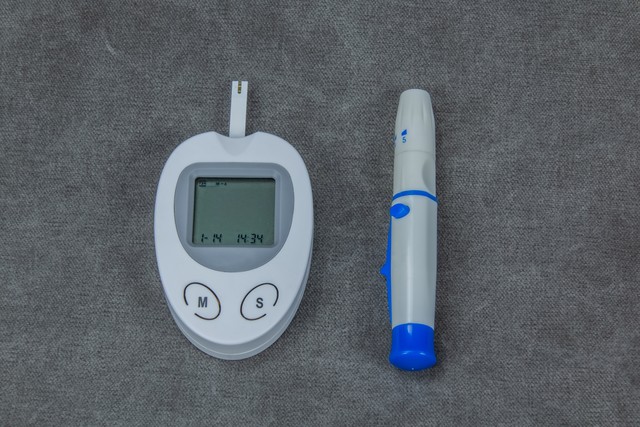
In addition to routine monitoring of fasting blood glucose, attention should also be paid to 2-hour postprandial blood glucose and bedtime blood glucose. Once persistent hyperglycemia or excessive fluctuations are detected, it is essential to consult a doctor promptly to adjust the treatment plan, and avoid self-adjusting medication dosages.
Expert Reminder: These Conditions Require Hospital Visits
Director Li Wei solemnly reminds that winter is a season prone to the onset and high incidence of various complications of diabetes. If symptoms of acute complications such as nausea, vomiting, abdominal pain, difficulty breathing, deep and large breaths, or a fruity odor in exhaled air occur, it may be a critical precursor to diabetic ketoacidosis, requiring immediate medical attention.