Diabetic patients need to supplement: This type of vitamin is important for people with diabetes, and delaying complications cannot be achieved without it.
Recently, I often experience numbness in my hands and feet, as if ants are crawling... Many diabetic patients have had such troubles. In fact, this may be a signal from your body: you are lacking a key nutrient—vitamin B12.
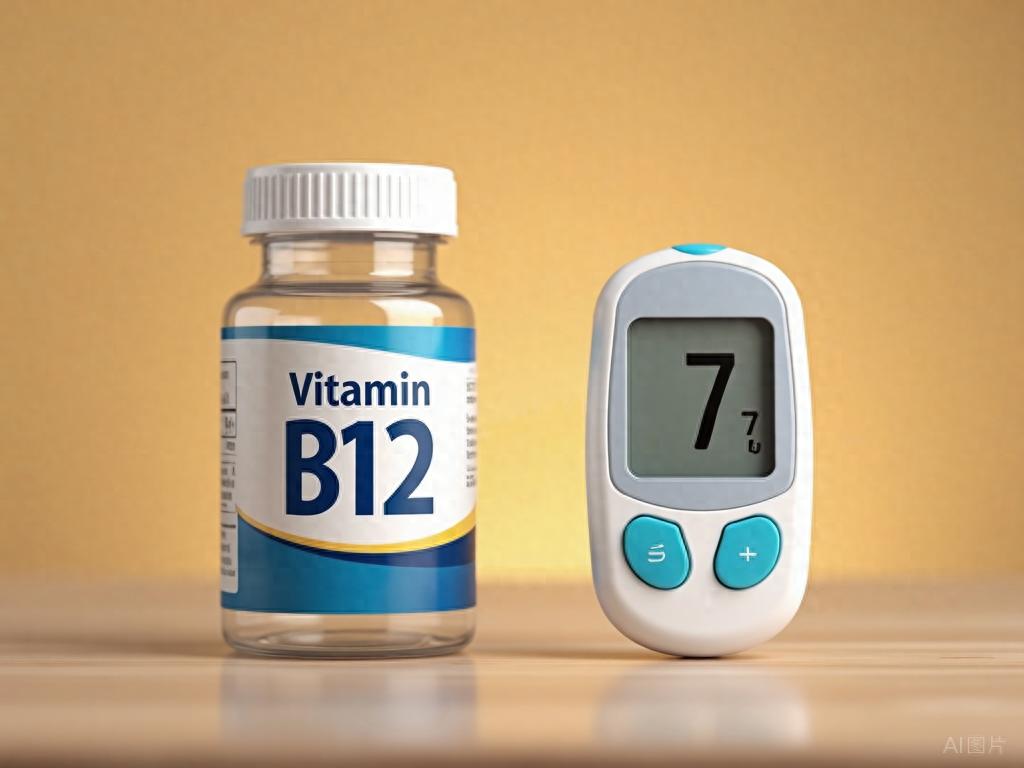
Vitamin B12 is a water-soluble vitamin that is not easily stored in the body as it is excreted through urine and sweat.Diabetic patients are more susceptible to the risk of deficiency.and once deficient, it may cause damage to multiple systems such as the nervous and cardiovascular systems.
Vitamin B12: The "Nerve Guardian" for Diabetic Patients
1. Protect the nervous system and delay neuropathy
Diabetic NeuropathyIt is one of the most common complications, affecting approximately 50% of diabetic patients. Vitamin B12 is involved in the synthesis and repair of the myelin sheath of nerves, much like the insulation layer of an electrical wire, protecting the normal transmission of nerve signals.
Deficiency of B12Possible occurrences:
- Numbness, tingling, or burning sensation in the hands and feet
- Decreased sense of balance, prone to falls
- Muscle weakness
2. Protect cardiovascular health and reduce homocysteine levels
Patients with diabetes have a 2-4 times higher risk of cardiovascular disease compared to the general population. Vitamin B12 helps convert homocysteine into harmless substances.Elevated homocysteine is an independent cardiovascular risk factor。
3. Alleviating Diabetic Gastroparesis
Approximately 30%-50% of patients with diabetes experience delayed gastric emptying (gastroparesis), leading to symptoms such as bloating and nausea. Vitamin B12 helps maintain the nervous function of the digestive system and may improve these symptoms.
Why are diabetic patients more prone to vitamin B12 deficiency?
- Drug EffectsLong-term use of metformin may affect B12 absorption, with studies showing it can reduce B12 levels by 10% to 30%.
- Age FactorMiddle-aged and elderly diabetic patients experience decreased gastrointestinal function and reduced absorption capacity.
- Dietary RestrictionsSome patients excessively control their diet, leading to insufficient intake.
- AutoimmuneA small number of patients have concurrent pernicious anemia, which affects the absorption of vitamin B12.

How to Determine if There is a Deficiency
Common Symptoms:
- Fatigue and weakness, even after rest, are difficult to alleviate.
- Numbness and tingling in the hands and feet
- Memory decline, difficulty concentrating
- Glossitis, recurrent oral ulcers
- Feeling low or irritable
Examination Method:
- Serum vitamin B12 test (below 200 pg/mL indicates deficiency)
- Elevated homocysteine levels also suggest possible deficiency
It is recommended for diabetic patientsCheck at least once a yearVitamin B12 levels, especially in those taking metformin.
Daily Supplement Guide: Food + Rational Medication
Food supplementation takes priority, these foods are rich in vitamin B12:
Animal-based foods(Primary Sources of B12):
- Animal liver: 1-2 times per month, approximately 50 grams each time
- Fish: Salmon, Tuna, Sardines
- Lean meat: beef, mutton
- Eggs and Dairy: Eggs, Milk, Yogurt
Plant-based foodsVitamin B12 is not naturally present in plant-based foods, so vegetarians need to pay special attention.
Scientific supplementation, keep these points in mind:
- The dosage should be appropriate.The general preventive dosage is 2.4μg per day. For treating deficiency, medical guidance is required, and a dosage of 1000-2000μg per day may be necessary.
- Select the appropriate dosage form:
- Mecobalamin: Active form, no conversion required, suitable for the elderly
- Cyanocobalamin: The most stable form, requiring conversion in the body.
- Pay attention to the timing of medicationTake staggered with metformin, at least 2 hours apart.
- Combined SupplementationSynergistic supplementation with folic acid (vitamin B9) yields enhanced efficacy
Special Reminder:
- In cases of severe deficiency, doctors may recommend intramuscular injection.
- Symptom improvement after supplementation takes time, and nerve repair typically requires 3-6 months.
- Do not self-administer high doses, as excessive intake may also pose risks.
Three Key Recommendations
- Active SurveillanceInclude vitamin B12 testing in the annual physical examination program
- Balanced DietDo not excessively restrict your diet; consume animal-based foods in a reasonable manner.
- Doctor-Patient CommunicationInform your doctor of all medications you are taking, including over-the-counter drugs and supplements.
Although vitamin B12 is only a micronutrient, it isAn important aspect of delaying complications and improving quality of lifePaying attention to this easily overlooked detail could be a crucial step in safeguarding health.
Remember: Good diabetes management is not just about controlling blood sugar, but also about comprehensive health maintenance.