Diabetic patients may experience these signals indicating improvement in their condition
For individuals with diabetes, stable blood glucose levels are not merely a numerical target but a guarantee of quality of life. When your blood glucose is well-controlled, a series of positive changes will quietly occur in your body. These "good news" are not only reflected in laboratory reports but also in the subtle sensations of daily life.
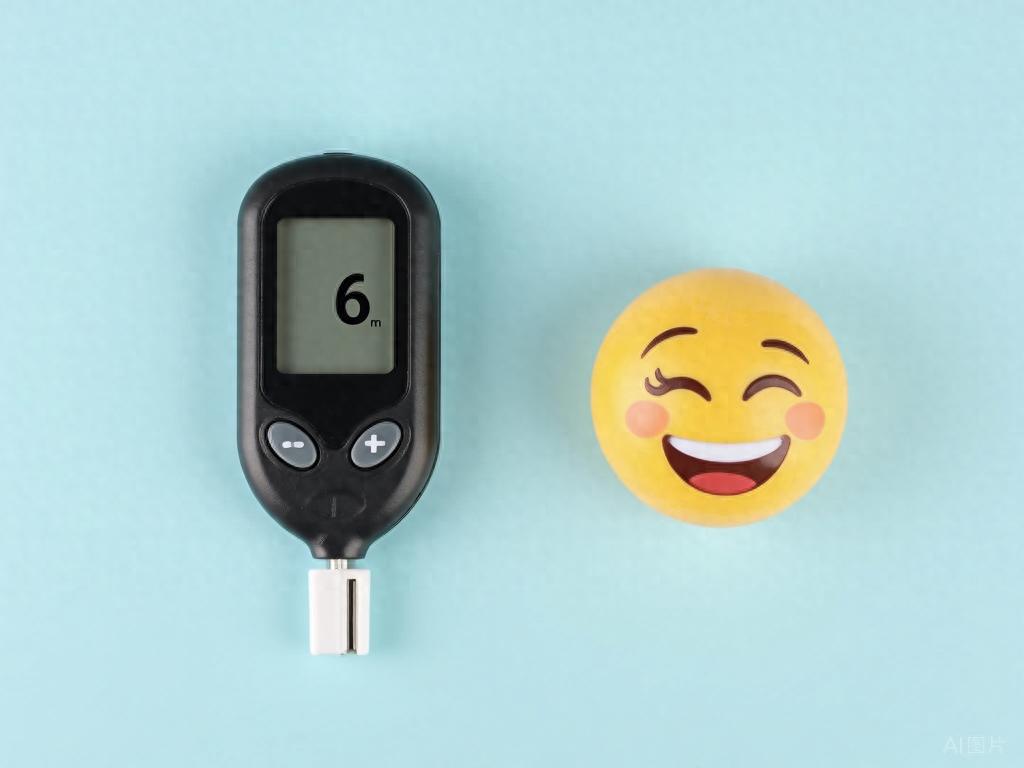
Energetic, Farewell to "Diabetes Fatigue"
Many diabetic patients often feel fatigued and lethargic when their blood sugar levels are unstable. Once blood sugar is well controlled, the most noticeable change is the restoration of energy.
You will experience:
- Wake up in the morning no longer feeling groggy.
- No need for frequent naps during the day to maintain energy.
- No longer feeling abnormally fatigued during daily activities
- Work and study efficiency significantly improved
Scientific ExplanationStable blood glucose levels help cells utilize glucose more efficiently to produce energy, avoiding unstable energy supply caused by blood sugar fluctuations.
Second, Sensory Clarity, A More "Vivid" World
High blood sugar can cause damage to nerves and small blood vessels, affecting our sensory functions. When blood sugar is well-controlled, these sensory functions often improve or remain stable.
VisionVision becomes clearer without any blurriness, and dryness and fatigue in the eyes are reduced.
Skin ConditionSkin itching and dryness issues are reduced, wound healing speed is accelerated, and the risk of infection is decreased.
Oral HealthImprovement in gum bleeding and dry mouth, taste may become more acute.
III. Cardiovascular System "Working with Ease"
Diabetes is a significant risk factor for cardiovascular disease, and effective blood glucose control directly reduces the burden on the cardiovascular system.
Manifestations include:
- Blood pressure is more easily controlled within the normal range.
- Palpitations and chest tightness symptoms have decreased.
- The peripheral circulation in the extremities has improved, and the hands and feet are no longer as prone to feeling cold.
- Edema condition has improved.
IV. Nervous System "All Clear"
Diabetic neuropathy is a common complication, and maintaining good blood glucose control can effectively prevent or delay its onset and progression.
You will find:
- Numbness and tingling in the hands and feet have reduced or disappeared.
- Sensation of temperature and pain becomes more normal
- Balance ability improved, walking more steadily
- Reduced frequency of nighttime awakenings due to discomfort
Five. Stable emotions and a positive mindset
Blood sugar fluctuations directly affect emotional states. Stable blood sugar leads to stable emotions.
Psychological Changes:
- Mood swings have decreased, with no more unexplained irritability or depression.
- Anxiety levels decreased, confidence in disease management increased
- Sleep quality has improved, with no more frequent nighttime awakenings.
- Reigniting passion and anticipation for life
Six, Weight Management Becomes Easier
Good blood sugar control is often accompanied by more reasonable dietary and exercise habits, which naturally reflect on body weight.
Positive change:
- Weight tends to stabilize or decrease slowly without extreme dieting.
- Waist circumference reduction, abdominal fat reduction
- Muscle mass may increase, and body contours may improve.
Seven. "Good News" on the Lab Report
Of course, the most direct evidence still comes from medical examinations:
- Glycated hemoglobin (HbA1c) consistently meets the target.
- Decrease in fasting and postprandial blood glucose fluctuations
- Improvement in blood lipid indicators (triglycerides, cholesterol, etc.)
- Urine microalbumin is normal or decreased.
- Improvement in liver function and related indicators
VIII. Positive Changes in Medication Needs
In some patients with early diagnosis who strictly adhere to lifestyle interventions, the following may occur:
- Dosage reduction (must be adjusted under the guidance of a physician)
- A small number of patients with early-stage type 2 diabetes may maintain stable blood glucose levels through lifestyle interventions alone.
Special Reminder: These changes are not signals of "recovery"
It must be emphasized that even if all the aforementioned positive manifestations occur,nor does it indicate that diabetes has been cured.Diabetes is a chronic metabolic disease that currently has no cure.
Good blood sugar control means:
- Risk of complications significantly reduced
- Quality of life has been significantly improved.
- Life expectancy approaches that of the non-diabetic population
- Lifelong management and monitoring are still required.
The "Golden Key" to Maintaining Good Health
To sustain these positive changes, you need to:
- Continuous MonitoringRegularly check blood glucose and related indicators
- Balanced DietMaintain a reasonable dietary structure and control total calorie intake
- Regular exerciseAt least 150 minutes of moderate-intensity aerobic exercise per week
- Standardized MedicationStrictly follow the doctor's instructions for medication and do not adjust it on your own.
- Stress ManagementLearn to cope with stress and maintain psychological balance
- Adequate SleepEnsure 7-8 hours of high-quality sleep each night
- Regular follow-up visitsMaintain good communication with the medical team.
Summary of Key Points:
Diabetes management is a marathon, not a sprint. When your body begins to send these positive "signals," applaud yourself—these are the valuable rewards earned through your day-to-day persistence in management.
Remember, every stable blood glucose reading, every balanced meal, and every step you take consistently is building a foundation for your future health. Today's efforts are transforming into a better quality of life tomorrow.
Keep persisting, and your body will tell you that it's all worth it.