Experts remind diabetic patients: to control blood sugar effectively, do not overlook this key indicator
Many people with diabetes diligently monitor their blood sugar every day, but if you only measure fasting blood glucose, Dr. Song Shuhua, an outpatient specialist and associate chief physician at Lanzhou Ruijing Diabetes Hospital, would like to remind you:Your blood sugar management may only be halfway done.Do you often wonder—why does your glycated hemoglobin (HbA1c) remain high even when your fasting blood glucose is well controlled? The answer likely lies in yourPostprandialIn the blood glucose curve.

Food is the primary driver of blood sugar fluctuations
Director Song Shuhua explained that a rise in blood sugar after eating, especially after consuming carbohydrate-rich foods, is a normal physiological phenomenon. However, for patients with type 2 diabetes, this issue is amplified:
- Approximately 10 minutes after a mealBlood sugar begins to rise.
- About 1 hour after a mealreaching the peak.
- Healthy individuals can return to pre-meal levels within 2-3 hours, whereas individuals with diabetes have blood sugarHigher peak and longer duration。
This "high-level operation" state willSignificantly exacerbatedChronic damage to tissues such as blood vessels and nerves caused by hyperglycemia. Even for non-diabetic individuals, higher postprandial blood glucose peaks are associated with long-term chronic disease risks as well as short-term issues like poor mental state, rapid hunger, and poor sleep.
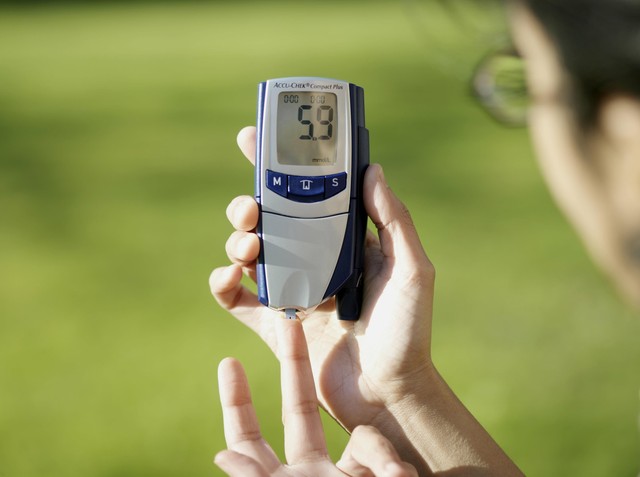
Why is it essential to pay attention to postprandial blood glucose
Focusing solely on fasting blood glucose and glycated hemoglobin is like watching only the beginning and ending of a movie, missing the most dramatic plot twists. Director Song Shuhua gave a vivid analogy. Postprandial blood glucose monitoring is crucial because:
- It is the key to achieving the target for "glycated hemoglobin"
- Many diabetic patients achieve target fasting blood glucose levels, but their HbA1c remains consistently suboptimal, often due toFrequent Postprandial Blood Glucose SpikesMonitoring postprandial blood glucose is essential to identify gaps and implement precise interventions.
- It is an early warning signal for cardiovascular risk
- Research indicates thatPostprandial blood glucose elevation has a stronger correlation with cardiovascular disease than fasting blood glucose.Controlling postprandial peaks is crucial for delaying the progression of diabetes and cardiovascular complications.
- It is your personal "diet barometer" and "exercise effectiveness meter."
- Understanding DietWithout testing postprandial blood sugar, you will never know which bite of food is the "invisible assassin" of your blood sugar. Beyond obvious sweets, certain "healthy foods" may also cause significant fluctuations for you personally.
- Assessment of ActivitiesHow much can blood sugar drop after a walk following a meal? Only by comparing postprandial blood glucose levels can the immediate sugar control effect of exercise be clearly observed.
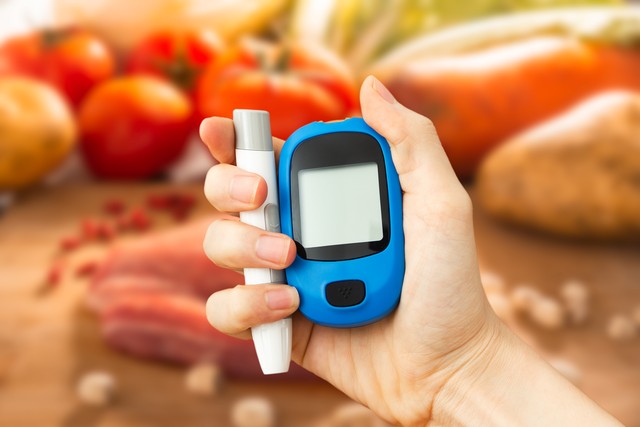
Director's Practical Advice
- Test for timeStandard postprandial blood glucose refers toStart timing from the first bite of the meal, blood glucose value after 2 hoursThis is an important node for physician assessment.
- Learn to RecordNot only record the numbers, but also note down the main foods, meal portions, and post-meal activities for each meal. Create a "blood sugar diary" and bring it to your doctor during visits, as it holds immense value.
- Linkage with PhysiciansThese valuable postprandial blood glucose data are provided by the doctor for youAdjust the treatment plan (such as whether to add medications to control postprandial blood glucose or adjust insulin)The core basis. Do not just immerse yourself in testing; learn to communicate with data.