Longevity Secrets of an 80-Year-Old Diabetes Patient: 50 Years of Blood Sugar Control Experience, He Summarizes These 5 Habits
Grandpa Li is 80 years old this year and has already taken a brisk walk in the neighborhood for half an hour early in the morning. If you were unaware of his medical history, you might never guess that this spirited elderly man has been living with diabetes for 50 years.
Fifty years ago, Grandpa Li was diagnosed with type 2 diabetes, and the doctor's words once plunged him into despair. Today, his fasting blood glucose remains stable at 5-6 mmol/L, his glycated hemoglobin stays below 6.5%, and he has no serious complications. His body is even stronger than many of his peers.
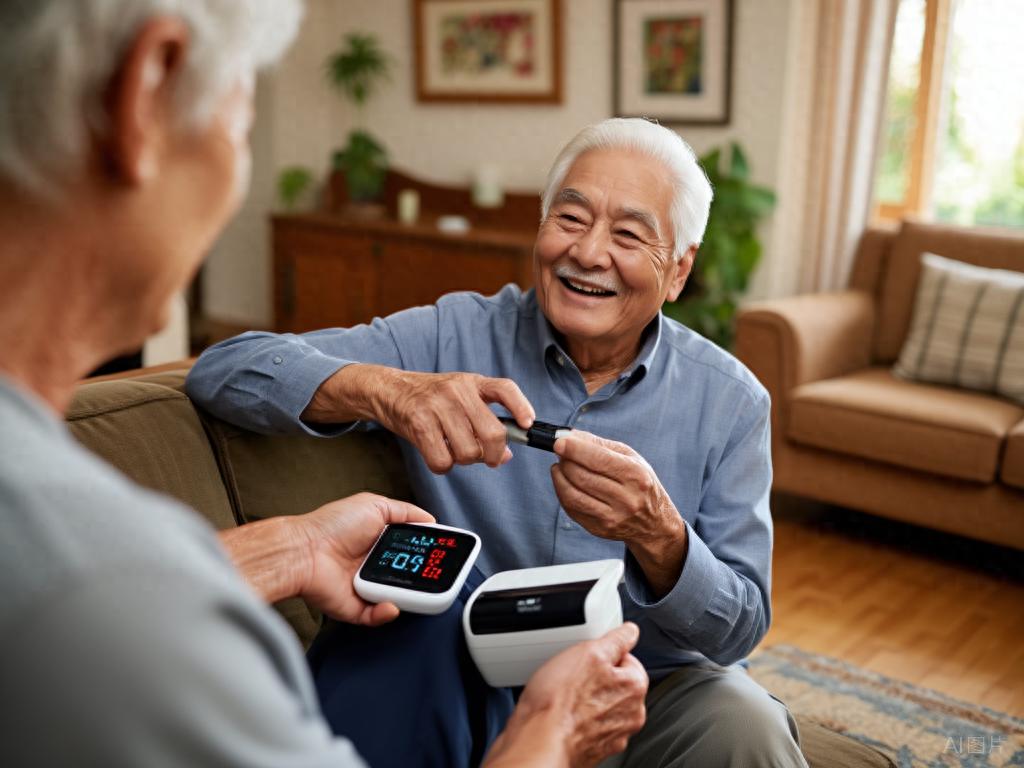
How did Grandpa Li manage to do it?
Habit One: Practice Dietary Moderation, Not Absolute Prohibition
Many people believe that having diabetes means living an ascetic life, where you can't eat this or that, but this is actually a misconception, said Grandpa Li.
His dietary principles areQuantitative and Timed, Balanced Combination:
- Choose staple foods wiselyHe never completely eliminates staple foods but opts for low-GI whole grains such as oats, brown rice, and buckwheat, strictly limiting each meal to about the size of a fist.
- Adequate ProteinEnsure one egg, one cup of milk, and an appropriate amount of fish and soy products daily to maintain muscle mass.
- Vegetables in large quantitiesFill half of your plate with vegetables at each meal, especially dark leafy greens.
- Smart Ways to Eat FruitsChoose low-sugar fruits such as strawberries, blueberries, and apples, and consume them between meals while controlling portion sizes each time.
I also eat one or two small snacks each week, but I correspondingly reduce the amount of staple food in that meal. The key isTotal amount control, flexible adjustment.
Habit Two: Make Exercise a Part of Your Life
"Exercise is as natural to me as eating and sleeping," Grandpa Li shared.
His exercise regimen is simple yet sustainable:
- Morning brisk walking30 minutes daily, with a slightly increased heart rate but without gasping for breath.
- Afternoon Resistance TrainingSimple elastic band exercises, three times a week for 15 minutes each session, to maintain muscle strength
- Household activitiesGrowing your own flowers and cleaning can make daily activities part of your exercise routine
I do not pursue high intensity, but consistency is what I value. For 50 years, apart from being ill, I have hardly ever stopped.
Habit Three: Blood Glucose Monitoring, Know Yourself and Your Enemy
Grandpa Li has a blood glucose monitoring record book that he has used for over a decade, densely filled with his blood sugar levels, diet, and physical sensations.
Monitoring is not meant to cause anxiety, but rather to understand the body's response to different foods, he said.
His monitoring strategy:
- Measure 2-3 times per week during the stable phase, including fasting and postprandial measurements.
- Increase frequency during dietary adjustment periods or when experiencing physical discomfort.
- Not only record the numbers, but also document the diet, activities, and physical sensations at that time
Through these records, I discovered that I am particularly sensitive to white rice, but much less so to whole wheat steamed buns. This kind of individualized understanding is advice that no doctor can provide.
Habit Four: Good Routine and Stress Management
The impact of sleep and mood on blood sugar is often overlooked by many, as Grandpa Li has personally experienced.
His daily routine has remained unchanged for decades:
- Go to bed before 10 PM and wake up at 6 AM.
- A midday nap of 20-30 minutes
- Meditate for 15 minutes daily and practice deep breathing.
I also have times of high stress, but I've learned not to let myself get stuck in it. Gardening, listening to opera, and playing chess with friends are all my ways of relieving stress. Blood sugar can also be 'emotional'—when you're anxious, it becomes unstable.
Habit Five: Regular Check-ups and Proactive Management
Grandpa Li undergoes a comprehensive complication screening annually.
- Fundus examination
- Renal Function Test
- Foot Nerve Examination
- Cardiovascular Assessment
Proactive examination is more important than passive treatment. Several of my 'diabetes friends' neglected regular check-ups, and by the time symptoms appeared, their complications had already become quite severe.
The Golden Mindset for Longevity in Diabetic Patients
When asked what the most important experience was, Grandpa Li said,Live in peace with diabetes, not fight against it..
Diabetes is a part of my body, like an old friend that requires attention. It reminds me to pay more attention to my health and establish a regular lifestyle. To some extent, it has extended my lifespan, because without it, I might not have started living a healthy life so early.
Grandpa Li's story tells us that diabetes is not the end of life, but the starting point of health management. Long-lived diabetics do not face no challenges; rather, they have learned how to manage these challenges wisely.
These habits are not complicated, but their value lies in persistence and balance. Whether you are a person with diabetes or someone who cares about health, you can gain inspiration from Grandpa Li's experience: health is not a matter of a day or two, but the result of a lifetime of careful management.