Diabetic Patients Most Prone to These Two Medication Mistakes Either One Can Cause Blood Sugar to Spiral Out of Control
Doctor, please prescribe me some hypoglycemic medication, my blood sugar is high again!
This is a phrase many diabetic patients often say during medical consultations. But are you aware that controlling blood sugar is far more complex than simply "taking medication"?Improper medication use not only fails to stabilize blood sugar but may also harm the liver and kidneys, and even trigger hypoglycemia, which is more critical than hyperglycemia.
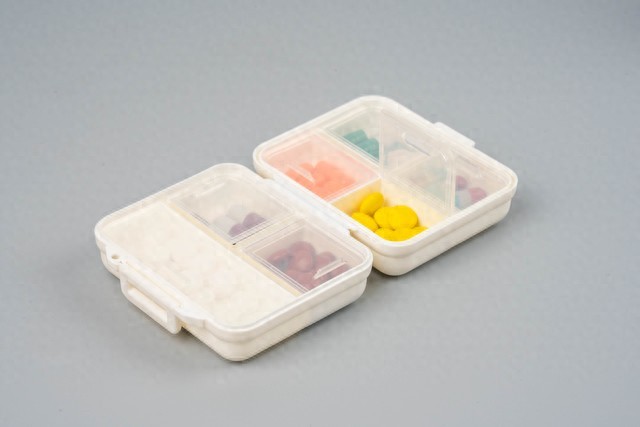
Scientific medication is the cornerstone of diabetes treatment. Today, we will discuss the most common medication pitfalls that people with diabetes are prone to fall into through two real clinical cases, helping you clear the "minefields" on your blood sugar control journey.
Misconception One: Misremembering drug names and taking the wrong medication—a slight discrepancy leads to a huge error
65-year-old Aunt Wang has had diabetes for 5 years. Recently, she came to the hospital to get her medication and confidently told the doctor, "Doctor, I have been taking 'sitagliptin' twice a day, one tablet each time."
The doctor immediately became alert: this was not the conventional usage of the medication. After repeated inquiries, Aunt Wang contacted her family by phone and only then discovered,The medication she has been taking long-term is actually "Sitagliptin Sodium"!
A single word can make a world of difference.
- SitagliptinIt belongs to the DPP-4 inhibitor class, primarily lowering blood glucose by promoting insulin secretion and inhibiting glucagon.
- Sitagliptin SodiumIt is a full PPAR agonist, primarily functioning to improve insulin resistance.
The applicable populations, mechanisms of action, and side effect profiles of the two are different.Long-term incorrect medication use makes it difficult to achieve ideal blood glucose control and may impose unnecessary burdens on liver and kidney function.
✅ Doctor's Advice: No More Confusion About Medication Names
- Always Bring Physical Evidence to Medical AppointmentsAt each follow-up visit,Be sure to bring the medication boxes you are currently taking.This is the most reliable method.
- Take a photo and save it on your phoneIf carrying the medication box is inconvenient, you can take a clear photo of the box (especially the side with the drug name and specifications) and save it permanently in your phone's photo album.
- Create a medication listWrite down all medication names, specifications, and usage instructions in your phone's memo or a small notebook you carry with you for easy reference.
Misconception Two: Unchanging Dosage Amidst Changing Conditions – The Peril of Marking the Boat to Find the Sword
76-year-old Grandma Wang has a 10-year history of diabetes. Due to limited mobility after a stroke, she has been cared for by her family and receives insulin injections.
Recently, family members noticed that Grandma WangReaction slows down, and food intake decreases.but she was still given insulin at the original dosage. Within a few days, Grandma Wang became confused and was rushed to the hospital for emergency treatment.The blood glucose meter shows only 2.1mmol/L (severe hypoglycemia)!
This is a bloody lesson.Diabetes treatment plans are not "lifelong" regimens.When the patient presents with the following conditions, the medication regimen must be reevaluated:
- Significant reduction in food intake
- Significant weight loss
- Concurrent with other acute diseases (e.g., infection, stroke)
- Changes in liver and kidney function
- Frequent episodes of hypoglycemia
Especially when usingInsulin, sulfonylureas (such as glimepiride), glinidesElderly individuals on hypoglycemic medications face a higher risk of hypoglycemia, and their symptoms may be masked by other diseases, making the situation even more dangerous.
✅ [Doctor's Advice] Dynamic Adjustment for Safety
- Family members should act as effective "monitors."Closely monitor the elderly's food intake, mental state, and weight changes.
- Blood glucose monitoring should be performed frequently.Increase the frequency of blood glucose monitoring during periods of dietary and physical condition changes.
- Timely communication is the most crucial.Once the aforementioned changes are detected,Do not adjust or discontinue medication on your own.Consult a doctor immediately to assess whether it is necessary to simplify the treatment plan, reduce the dosage, or switch to medications with a lower risk of hypoglycemia.
Scientific Medication, Keep These 3 "Golden Standards" in Mind
- Precision is the prerequisiteKnow the name, purpose, and correct usage of every medication you take. Being unclear about your medications is being irresponsible to your own health.
- Dynamics is the keyDiabetes management is a dynamic process. Medication regimens require regular evaluation and adjustment based on changes in the condition, age, lifestyle, and the presence of complications.
- Safety is the bottom lineAlways prioritize medication safety, remain vigilant against acute events such as hypoglycemia, and balance glycemic efficacy with safety.
Managing blood sugar is a long-term battle that requires wisdom and patience. Medication is our powerful weapon, but only through scientific and standardized use can we maximize its effectiveness and avoid potential risks.
Before your next follow-up appointment, please check: Did you bring your medication box? Is your recent blood glucose record ready? Have you informed the doctor about any new physical changes?
Start from the details, ensure every pill is taken with clear understanding, and steadily progress through each step of blood sugar control.