Diabetics eat these three types of meat in winter, paired this way for more stable blood sugar
Winter has arrived with chilly winds. For people with diabetes, winter is both a challenge and an opportune time for recuperation. Many individuals with diabetes worry that eating meat may affect their blood sugar levels. In fact, as long as you choose the right types of meat and eat them properly, you can stay warm through the winter while keeping your blood sugar stable! Today, let's discuss how people with diabetes should eat meat during the winter.
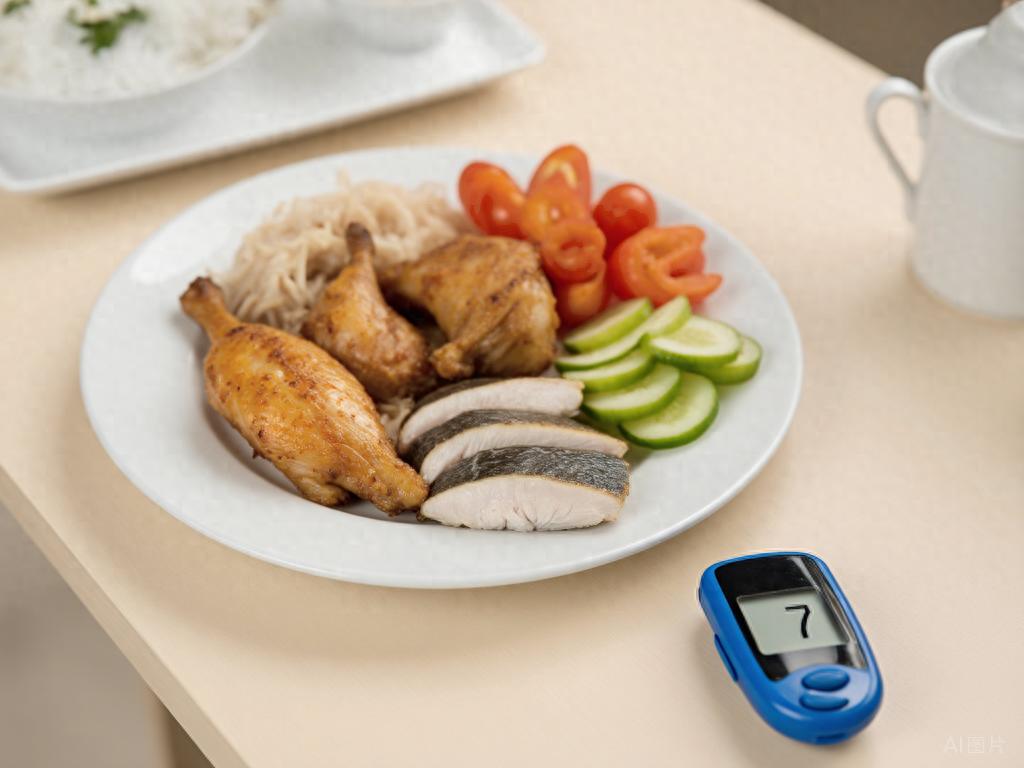
Winter Preferred Meat Ranking
Fish - Excellent Source of Protein
Deep-sea fish such as salmon, cod, and sea bass are particularly rich in omega-3 fatty acids, which help reduce inflammatory responses and improve insulin sensitivity.
2. Skinless chicken - low fat and high protein
Chicken is an excellent source of high-quality protein, and its fat content is significantly reduced after removing the skin, making chicken breast, in particular, a good choice for blood sugar control.
3. Lean Beef - Iron Supplement and Body Warming
Choose lean cuts such as tenderloin and hind leg, which are rich in high-quality protein and iron, helping to alleviate cold hands and feet in winter.
Exercise Caution When Selecting These Types of Meat
- Processed meat products such as bacon and sausage (high in salt and fat)
- Fatty meat, animal offal (high cholesterol)
- Poultry with skin (high fat content)
Four Principles for Healthy Meat Consumption
1️⃣ Portion control is key
Recommended daily meat intake:
- Fish: 50-75 grams
- Poultry: 40-50 grams
- Livestock meat: 25-50 grams
Approximately the size of the palm of the hand
2️⃣ Choose the Right Cooking Method
Recommended: Steaming, stewing, stir-frying, baking (without additional oil)
Avoid: Fried, braised, sweet and sour, or heavily processed foods
3️⃣ Pairing with Care
The "Meat + Vegetables" Golden Combination:
- Steamed Perch with Tofu
- Chicken with Mushrooms (Stir-fried Chicken Breast with Fresh Mushrooms)
- Beef with Broccoli (Stir-fried Beef with Broccoli)
4️⃣ Time should be reasonable
It is recommended to have meat for lunch and keep dinner light to avoid blood sugar fluctuations before bedtime.
Recommended Heartwarming Winter Recipes
Steamed Perch
Method: Clean the sea bass thoroughly, steam with ginger slices and scallion sections for 10 minutes, then drizzle with a small amount of light soy sauce.
Yam Stewed Chicken Soup
Method: Skinless chicken thigh meat is cut into pieces and stewed with Chinese yam, red dates, and goji berries, skimming off the surface oil.
Tomato Beef Stew
Method: Slice lean beef and simmer it slowly with tomatoes and onions, creating a tangy and appetizing dish that warms the body.
Special Reminder
- Remember to check your blood sugar after meals to understand the impact of different types of meat on your personal blood glucose levels.
- Meat should only account for one-quarter of a meal, while vegetables should make up half.
- Pair with an appropriate amount of whole grains to maintain stable blood sugar levels
- Proper activity after meals helps with blood sugar metabolism.
Summary
Diabetic patients should remember the nine-word principle for eating meat in winter: "Choose lean meat, control portions, and pair wisely." As long as the correct methods are mastered, eating meat can not only provide high-quality protein but also enhance resistance, ensuring a warm winter!
This winter, eat the right meat, stabilize blood sugar, and achieve both health and warmth!