Diabetics can eat these dishes in winter to stabilize blood sugar and ensure adequate nutrition
As winter arrives, the variety of vegetables on the dining table seems to shrink as well. What vegetables are beneficial for blood sugar control for diabetics in winter? Please take this warm and practical "Winter Vegetable Guide"
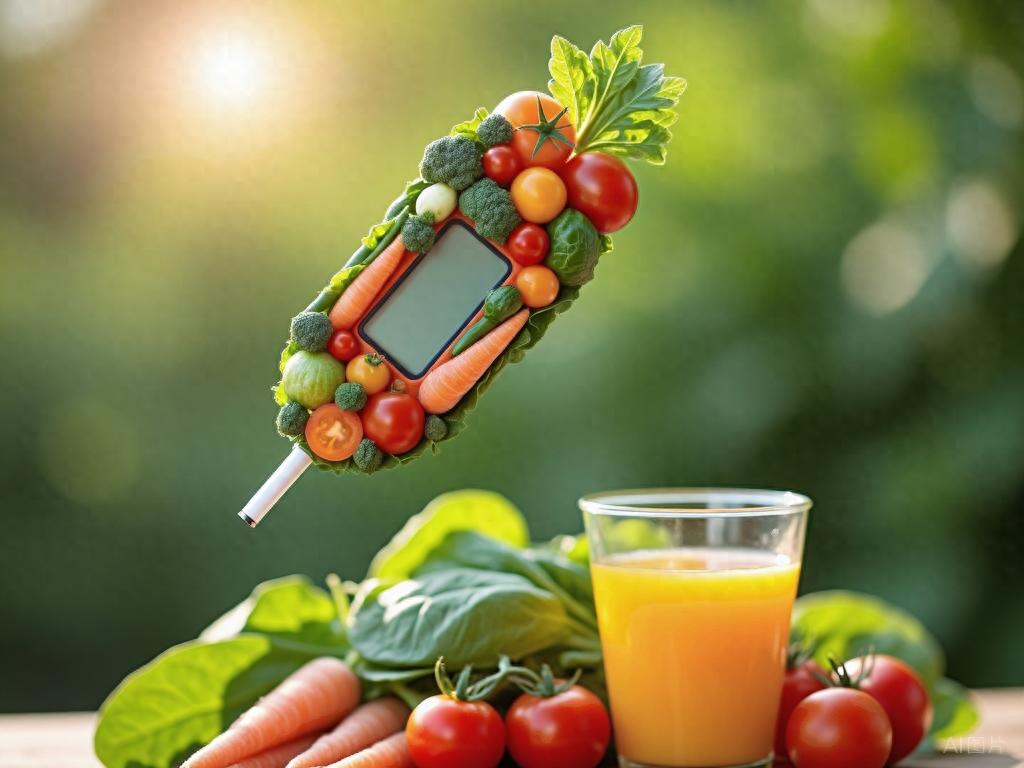
Core Principle: Two Types of Vegetables, Two Ways of Eating
First remember a simple classification:
✅Eat with Confidence VegetablesLeafy vegetables and gourd-solanaceous vegetables (such as spinach, broccoli, cucumber, tomato)
✅Eat Smart with VegetablesRhizomes, some legumes (such as carrots, lotus root, pumpkin, peas)
Key Points:"Smart eating" is not about "cannot eat," but rather aboutCount towards staple food intake! For example, if you eat half a bowl of pumpkin, reduce your rice intake by half a bowl.
Four "Sugar Control Star Vegetables" in Winter
Dark green leafy vegetables → Cold protection and eye care
RepresentativeSpinach, rape, broccoli, kale
Advantages in Blood Sugar Control:
- Rich in dietary fiber, delays blood sugar rise
- Rich in magnesium, helps improve insulin sensitivity
- High in Vitamin C and Lutein, Boosts Winter Resistance
Considerate Eating MethodsQuick blanching or stir-frying with minced garlic is recommended to avoid nutrient loss from prolonged stewing.
2. Cruciferous Vegetables → Anti-inflammatory Guardians
RepresentativeCabbage (especially Chinese cabbage, baby bok choy), cauliflower, purple cabbage
Advantages in Blood Sugar Control:
- Extremely low in calories, high in satiety.
- Contains glucosinolates, which help with anti-inflammatory effects
- Easily contracted in winter, affordable in price.
Heartwarming CombinationCabbage and Tofu Pot (with lean meat broth base, no vermicelli or wide noodles)
3. Mushrooms → Natural Modulators
RepresentativeShiitake mushroom, enoki mushroom, oyster mushroom, king oyster mushroom
Advantages in Blood Sugar Control:
- Rich in fungal polysaccharides, studies suggest it may assist in regulating blood sugar levels.
- Tastes like "meat", satisfying the craving for food.
- Natural "Flavor Enhancer", Reduce Salt Intake
Delicious Preparation MethodsMushroom Soup (a combination of various mushrooms, with a fresh and delicious broth)
4. "Underground Treasure" Category → Intelligent Replacement
RepresentativeWhite radish, carrot, celery (stem)
Key Reminder:
- CarrotThe sweetness comes from natural sugars, and it is recommended not to exceed half a piece (approximately 50 grams) per meal.
- White radishLow in calories, it can be eaten with peace of mind. Now is the perfect time for "eating radish in winter"!
- Wisdom in Eating MethodsCarrots are bestCooked consumptionBeta-carotene absorption is enhanced when consumed with a small amount of oil, such as in stir-fried carrots with lean meat.
Winter Vegetable "Blood Sugar Control Plate" Rule
Remember this simple ratio (per meal):
- Half the plateFocus on "eat with confidence" vegetables (more than half should be dark green)
- One quarter of the plateHigh-quality protein (refer to the previous meat recommendations)
- One-quarter plateWhole grain staple foods (mixed grain rice, oats, etc.)
- Add oneMushrooms or seaweed such as kelp and wood ear fungus
Recommended Winter Warming and Sugar-Controlling Recipes
1. White Radish and Crucian Carp Soup
MethodSimmer crucian carp after pan-frying with water and ginger slices until the broth turns milky white, then add shredded white radish and cook for another 10 minutes. Sprinkle with chopped scallions. The radish absorbs the umami flavor of the fish, providing a warming effect on the stomach and a low glycemic impact.
2. Stir-fried Chicken Breast with Garlic and Broccoli
MethodBlanch broccoli and set aside. Stir-fry minced garlic and chicken breast slices with a small amount of oil until fragrant, then add broccoli and stir-fry quickly with seasoning. A perfect combination of protein and fiber.
3. Braised Tofu with Mushrooms and Chinese Cabbage
MethodStir-fry a small amount of lean minced meat until fragrant, then add Chinese cabbage, various mushrooms, and tofu cubes. Add water and simmer until soft and tender. One pot provides comprehensive nutrition.
Special Reminders for Eating Vegetables in Winter
- Gelatinization TrapVegetables should not be overcooked or boiled for too long, as gelatinization can accelerate sugar absorption.
- Season with CautionAvoid using sugar for seasoning (such as sweet and sour sauce); instead, use scallions, ginger, garlic, Sichuan peppercorns, vinegar, and natural spices to enhance flavor.
- Oil SelectionIt is recommended to choose olive oil, camellia oil, etc. for cooking oil, and control the amount (25-30 grams per person per day).
- Individual differencesMonitor blood glucose after meals to understand the body's response to different vegetables.
Summary
Diabetic patients should remember the twelve-character principle when eating vegetables in winter:Leafy vegetables as the mainstay, root vegetables to be counted, diverse combinationsWinter vegetables not only help stabilize blood sugar but also provide abundant vitamins and minerals to enhance immunity.
Let colorful vegetables fill your winter plate! Eat for warmth, eat for health!