Three specific blood glucose readings are most dangerous for diabetics indicating severe condition requiring immediate treatment
A tube of bright red blood, a few cold numbers, yet behind them lies the life exam that diabetic patients must face every day.
Aunt Li has had diabetes for 8 years, and her fasting blood glucose is usually controlled around 7.0 mmol/L, with her glycated hemoglobin also meeting the target. After a family gathering last week, she felt a bit dizzy and measured her blood sugar, which was surprisingly as high as17.6mmol/L。
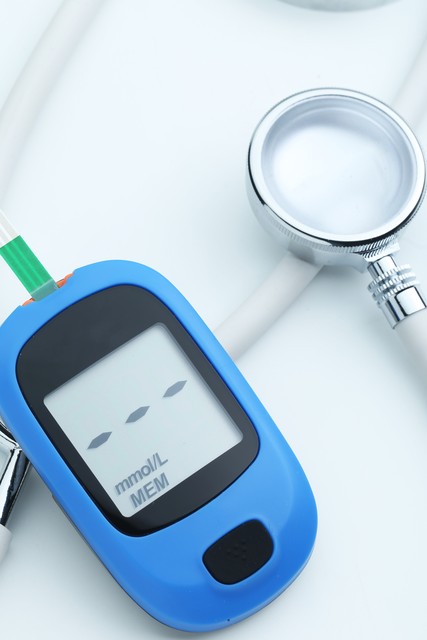
Family members thought it was "just a bit high" and advised her to drink more water and rest. It wasn't until she began experiencing nausea and shortness of breath that she was rushed to the hospital and diagnosed withDiabetic KetoacidosisHe stayed in the ICU for three days before being out of danger.
I thought it was okay to have slightly high blood sugar, I really didn't know exceeding 13.9 could be so dangerous! Aunt Li, after her recovery, still feels lingering fear.
In fact, blood glucose management is far more complex than simply keeping it "not too high." Extensive research has confirmed that both excessively high and excessively low blood sugar levels can cause harm to the body and increase the risk of diabetes complications.
When your blood sugar exhibits the followingThree Key ValuesPlease be alert immediately! This could be a precursor to serious diabetic complications.
01 Red Alert: Blood Sugar Exceeds 13.9, Risk of Ketoacidosis Skyrockets
13.9 mmol/LIt is the first "lifeline" that diabetic patients must always keep in mind. Even for those with poor health, advanced age, or a high risk of hypoglycemia who may relax their blood glucose control targets, this line remains non-negotiable.Absolutely must not be breached。
Once blood glucose exceeds 13.9 mmol/L, the risk of diabetic ketoacidosis increases sharply. This is an acute complication that can damage tissues and organs throughout the body. If not treated promptly,Mortality rate is high。
Special ReminderIf blood sugarExceeds 16.9 mmol/LBe highly vigilant for hyperosmolar hyperglycemic state, do not hesitate, seek medical attention immediately!
Important NoteFor individuals with diabetes using "SGLT2 inhibitor" class of glucose-lowering medications, due to the unique mechanism of action of these drugs, when blood glucose levels exceed11.1mmol/LBe alert for diabetic ketoacidosis.
Emergency ManagementIf blood glucose is found to exceed 13.9 mmol/L, it is recommended to immediately test for ketones using a "urine ketone test strip." If ketones are positive, please go to the hospital emergency department immediately.
02 Silent Crisis: Blood Sugar Below 3.9, A Dual Threat to Brain and Heart
Compared to hyperglycemia,Hypoglycemia is often more dangerous and easily overlooked.Diabetic patients receiving drug therapy with blood glucose <3.9 mmol/LIt falls within the category of hypoglycemia[1].
The brain is the organ most sensitive to glucose deprivation in the human body.The most sensitive organInsufficient glucose supply for just a few seconds can cause acute injury, impair cognitive function, and in severe cases, even lead to coma or death.
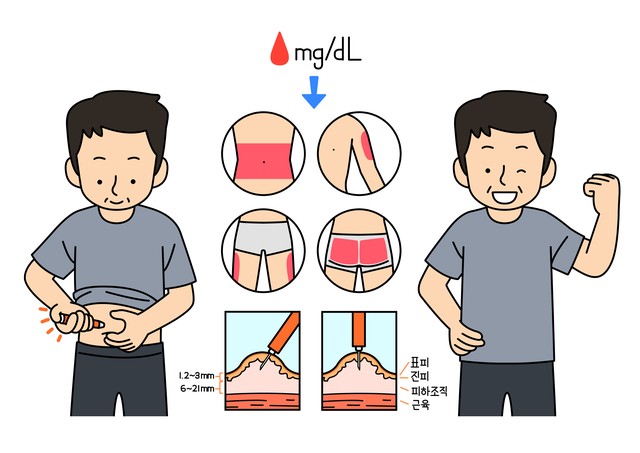
More concerning is that if hypoglycemic coma persists for more than 30 minutes, it may cause damage to the brain.Irreversible damage。
Simultaneously, hypoglycemia significantly increases the risk of cardiovascular emergencies such as arrhythmia, myocardial ischemia, angina pectoris, and acute myocardial infarction[4].A single severe hypoglycemic event is enough to negate all the efforts made in long-term strict blood glucose control。
Safety marginIt is recommended that adults with type 2 diabetes maintain their fasting blood glucose levels within4.4~7.0mmol/LBetween. Fasting blood glucose in elderly diabetic patientsDo not fall below 5.0 mmol/L。
Essential measuresCarry a blood glucose meter and glucose tablets for emergency use. Immediately replenish when blood sugar is found to be below 3.9mmol/L.15-20 grams of sugar。
03 The Invisible Killer: Blood Sugar Fluctuations Exceeding 2.2 Accelerate Vascular Damage
In addition to absolute values, the variability of blood glucoseStabilityEqually crucial. Once the postprandial blood glucose fluctuation amplitude≥2.2 mmol/Lit will cause repeated impact and damage to the blood vessel walls.
This fluctuation is more detrimental than sustained hyperglycemia.More likely to lead to atherosclerosisleading to severe complications such as cerebral infarction.
Research indicates that significant fluctuations in blood glucose levels significantly increase the risk of macrovascular events such as coronary heart disease and cerebral infarction, and are also independent risk factors for diabetic retinopathy and nephropathy.
Fluctuation Calculation Method:
[(2-hour post-breakfast blood glucose - pre-breakfast blood glucose)+(2-hour post-lunch blood glucose - pre-lunch blood glucose)+(2-hour post-dinner blood glucose - pre-dinner blood glucose)]/3
Note: Postprandial 2-hour blood glucose is measured from the start of eatingFirst bite of foodStart timing
People with diabetes using continuous glucose monitors can calculate the daily glucose variability. The difference between the highest and lowest blood glucose levels within a day≥4.4 mmol/LIt also indicates that the blood glucose fluctuation amplitude is relatively large.
04 Three Major Defenses, Building a Solid Blood Sugar Safety Net
Faced with these three key numbers, how should individuals with diabetes establish their own blood glucose defense system? Here is a practical action guide:
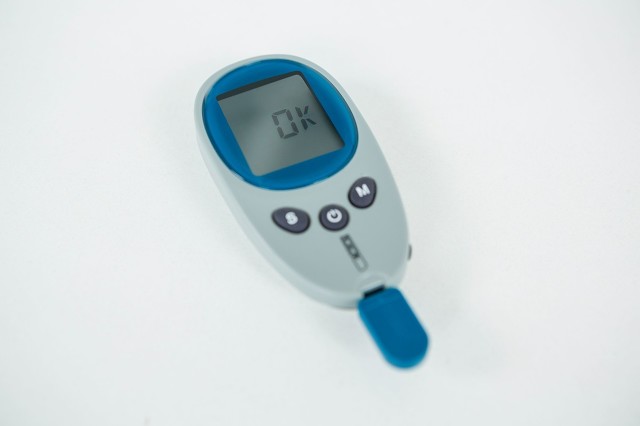
Comprehensive MonitoringDo not only look at fasting blood glucose and glycated hemoglobin.Regularly monitor postprandial blood glucoseUnderstand your blood glucose fluctuation patterns. People with diabetes who have the means may try using continuous glucose monitors to obtain a more comprehensive blood glucose profile.
Individualized targetWork with the doctor to developPersonalized Blood Glucose Control TargetsYounger individuals with a short disease duration and no severe complications can adhere to stricter standards; older individuals at risk of hypoglycemia or with severe complications require appropriately relaxed criteria.
Dual AttentionWhile controlling blood sugar levelsAverage levelGlycated hemoglobin, also pay attention to blood sugarStability(Amplitude of fluctuation). Even if the glycated hemoglobin target is met, frequent hypoglycemia or significant blood glucose fluctuations require adjustment of the treatment plan.
Sports SafetyDiabetic patients with significant blood glucose fluctuations,Do not engage in moderate or higher intensity exercise for the time being.Once the condition is under control and stable, gradually resume exercise after evaluation and approval by a physician.
Medication AdjustmentEven if the glycated hemoglobin level has reached the target, if there are still episodes of hypoglycemia or significant blood glucose fluctuations, it is essential toConsult a doctor to adjust the treatment plan。
When the number 13.9 appears on the blood glucose meter, the body's alarm system has already been triggered.When the value falls below 3.9, the brain and heart are enduring hypoxia-like distress; when blood sugar fluctuates by more than 2.2 within a day, the blood vessel walls are undergoing silent impact.
These three numbers are not cold medical parameters, but rather theThree LighthousesGuiding the direction of safety.
Aunt Li now carries ketone test strips with her everywhere and tells everyone she meets: "If your blood sugar exceeds 13.9, you need to test for ketones; if it falls below 3.9, you must quickly replenish sugar. Remember this—it can save lives!" This is the lesson she learned at the cost of her health, and it is also a vital code that every person with diabetes should master.