Diabetics Should Not Be Careless This Food Contains No Sugar Yet Can Cause Blood Sugar to Spiral Out of Control and Is Consumed Daily by Everyone
Many people with diabetes know they need to control their sugar intake, but they are less strict about controlling their oil consumption, thinking, "Oil doesn't contain sugar, so it's okay to have a little more, right?"
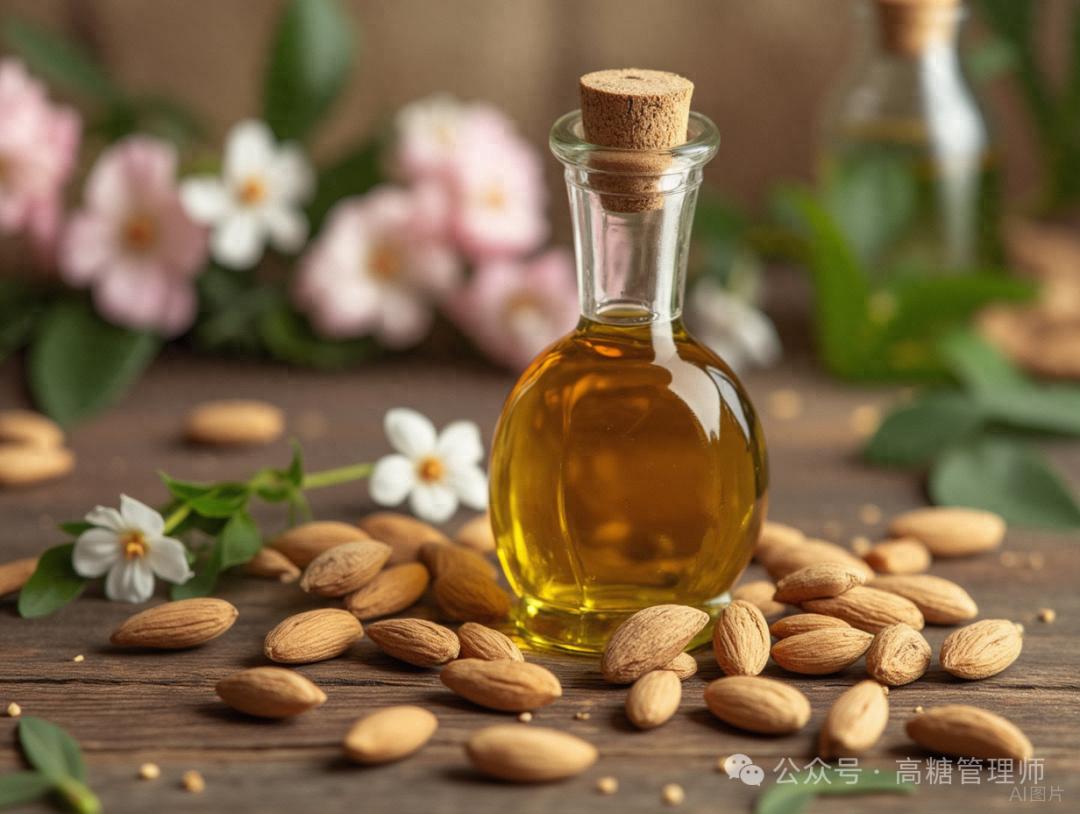
This is truly a dangerous idea! Actually,Oil management is a crucial aspect of diabetes dietary control, as improper or excessive consumption can adversely affect blood sugar levels and overall health.
Scientific Principle: How Does Oil "Disrupt" Blood Sugar
- Direct Interference: The "Booster" of Insulin Resistance
Long-term excessive intake of oils, especially low-quality fats, can lead to decreased sensitivity of body cells to insulin, a condition known as "insulin resistance." This means that the insulin "key" secreted by your body becomes less effective, unable to open the doors of cells. As a result, blood sugar struggles to enter cells for consumption, leading to its accumulation and elevation. - Indirect Attack: One of the "Prime Culprits" of Obesity⚖️
Oil is the king of calories (1 gram of oil = 9 kcal). Excessive oil consumption leads to the conversion of surplus calories into stored fat. Obesity, particularly abdominal obesity, is a core cause of insulin resistance and type 2 diabetes. Weight gain directly increases the difficulty of blood sugar control. - Long-term Hidden Danger: Catalyst for Complications
A high-fat diet exacerbates dyslipidemia, accelerates atherosclerosis, and significantly increases the risk of cardiovascular diseases such as myocardial infarction and stroke. For individuals with diabetes, this poses a more insidious threat than hyperglycemia itself.
Smart Guide to Healthy Oil Consumption
Remember the principle:Control the total amount, choose the right types, and maintain a balanced combination
1. Strictly Control Total Amount: How Much Oil Should Be Used Daily?
- Standard:The recommended daily cooking oil intake for general adults is 25-30 grams (approximately 2-3 white porcelain spoons). People with diabetes should adhere to this even more strictly.
- Tips:Use a measuring oil pot and adopt cooking methods such asSteaming, boiling, stewing, cold tossing, quick stir-fryingAvoid cooking methods that require large amounts of oil, such as deep-frying, braising in soy sauce, and dry pot cooking.
2. Preferred Types: What Kind of Oil to Eat?
- ✅ Prioritize "good fats":
Monounsaturated fatty acids:Helps improve blood lipids. Source:Olive oil, camellia oil, avocado oil, nutsSuitable for cold dishes or low-temperature cooking.
Polyunsaturated fatty acids (Omega-3):Anti-inflammatory, protects cardiovascular health. Source:Deep-sea fish (salmon, cod), flaxseed oil, perilla oilFlaxseed oil is sensitive to heat and is best used in cold dishes. - Moderate intake of "neutral fat":
Polyunsaturated fatty acids (Omega-6):Commonly seen inSoybean oil, corn oil, sunflower seed oilDaily intake is already sufficient; excessive consumption is not recommended. - Strictly limit "bad fats":
Saturated fat:Lard, butter, palm oil, full-fat dairy products, fatty meat. Eat less!
Trans fats: Margarine, shortening, fried foods, baked pastries, non-dairy creamerTry to avoid it! (Check the ingredient list and be cautious of terms like "hydrogenated," "refined," "artificial," etc.)
3. Smart Pairing and Consumption Techniques
- Staple foods should be "dry":When eating rice or noodles, do not mix in too much oil (such as pork lard mixed with rice, or stir-fried noodles that absorb excessive oil).
- Choose lean cuts of meat:Choose skinless poultry, fish, and lean pork, and reduce consumption of fatty meats and processed meat products.
- Hidden Fats Need to Be "Calculated":Nuts (a small handful daily), salad dressings, pastries, and the "hidden oils" in snacks should all be counted toward the total amount.
- Vary Your Diet for Better Health:It is advisable to keep 2-3 types of oil at home, such as olive oil, camellia oil, and peanut oil, and alternate their use based on different cooking methods.
Summary Checklist for People with Diabetes
- Controlling quantity is more important than selecting oil!Even the healthiest oil becomes a burden when consumed in excess.
- Reduce "bad fats" and increase "good fats."
- Be cautious of all fried foods and baked snacks.
- Overall dietary balance:While controlling oil intake, ensure an adequate amount of vegetables, high-quality protein, and an appropriate portion of whole grain staple foods.
Managing diabetes is like tending to a delicate garden. Blood sugar is the most closely watched flower, while lipid management serves as the soil's nutrients—too much or poor quality, and the flower cannot bloom healthily. Starting today, carefully manage the oil in your hands, as it is a solid step on your journey to stabilizing blood sugar
Wishing you good health, mindful eating, and stable blood sugar levels