Experts remind that diabetic patients are prone to these two medication errors avoiding them leads to better blood sugar control
Controlling blood sugar is a crucial aspect of managing diabetes, and hypoglycemic drugs play a key role in this process. However, improper use of medication can not only make it difficult to achieve target blood sugar levels but may also increase the burden on the liver and kidneys, and even lead to dangerous situations such as hypoglycemia.
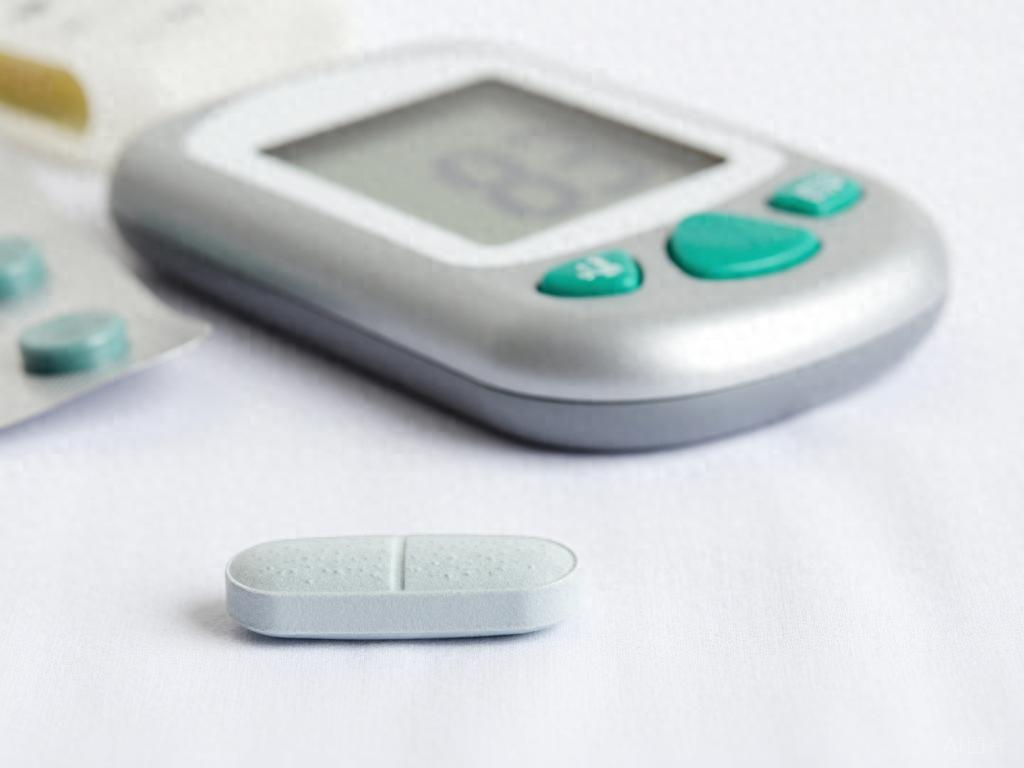
Director Ye Aiguo, an outpatient specialist and associate chief physician at Lanzhou Ruijing Diabetes Hospital, has observed in clinical practice that patients with diabetes often exhibit concerning misconceptions regarding medication use. He specifically shared two common outpatient cases to remind all individuals with diabetes to remain vigilant.
01
Myth 1: Misremembering drug names and taking the wrong medication
You may think this won't happen, but the reality is quite the opposite.
Recently, a 65-year-old woman named Ms. Wang, who has had diabetes for five years, came for a consultation and requested a prescription for "Sitagliptin." When Director Ye inquired about her daily dosage and usage, Ms. Wang confidently replied, "Once a day, two tablets each time."
This dosage immediately raised Director Ye's alert, as it deviated from conventional usage. Upon further communication and confirmation, Ms. Wang contacted her family and discovered that she had actually been taking "Sitagliptin" long-term.
Director Ye's Interpretation:
Sitagliptin and chiglitazar sodium, despite a single character difference, are two distinct classes of drugs with entirely different mechanisms of action. The former is a DPP-4 inhibitor, while the latter is a PPAR pan-agonist. Using the wrong medication not only compromises glycemic control but may also pose unnecessary risks.
Expert advice:
Please be sure to bring the following when visiting the doctorMedication Box in Actual UseIf it is inconvenient, you may cut out the side with the drug name and specifications to carry with you, or take a clear photo and save it on your phone. This is the simplest and most effective way to avoid medication errors.
02
Misconception Two: The Condition Has Changed, but the Treatment Plan Remains Unchanged
76-year-old Grandma Wang has had diabetes for 10 years, suffers from sequelae of stroke, is cared for in daily life by family members, and uses insulin to control blood sugar.
Recently, family members noticed that Grandma Wang was eating more slowly and consuming less food, but they did not adjust her insulin dosage accordingly. Soon after, Grandma Wang became unresponsive and was sent to the emergency room, where her blood glucose was found to be as low as2.1 mmol/LIt belongs to severe hypoglycemia.
Director Ye's Interpretation:
Elderly diabetic patients often have multiple comorbidities. When their physical status changes, such as in food intake, mobility, or liver and kidney function, treatment plans must be promptly reassessed. Medications that are prone to causing hypoglycemia, such as insulin and sulfonylureas, should be simplified or reduced, and safer alternatives should be considered when necessary.
Expert advice:
When providing family care, if the patient is observedDecreased or difficult food intakeBlood glucose monitoring must be strengthened. At the same time, medical attention should be sought promptly to adjust the hypoglycemic regimen, prioritizing medications with a lower risk of hypoglycemia. Particular vigilance is required for the occurrence of "asymptomatic hypoglycemia."