A 70-year-old diabetic shares sugar control experience: No medication or injections, blood sugar stable at 5.5 for ten years
Nowadays many people are accustomed to prolonged sitting and often stare at mobile screens during leisure time, with insufficient physical activity being particularly common among the elderly population. Long-term lack of exercise can easily lead to endocrine disorders and also increase the risk of developing diabetes.
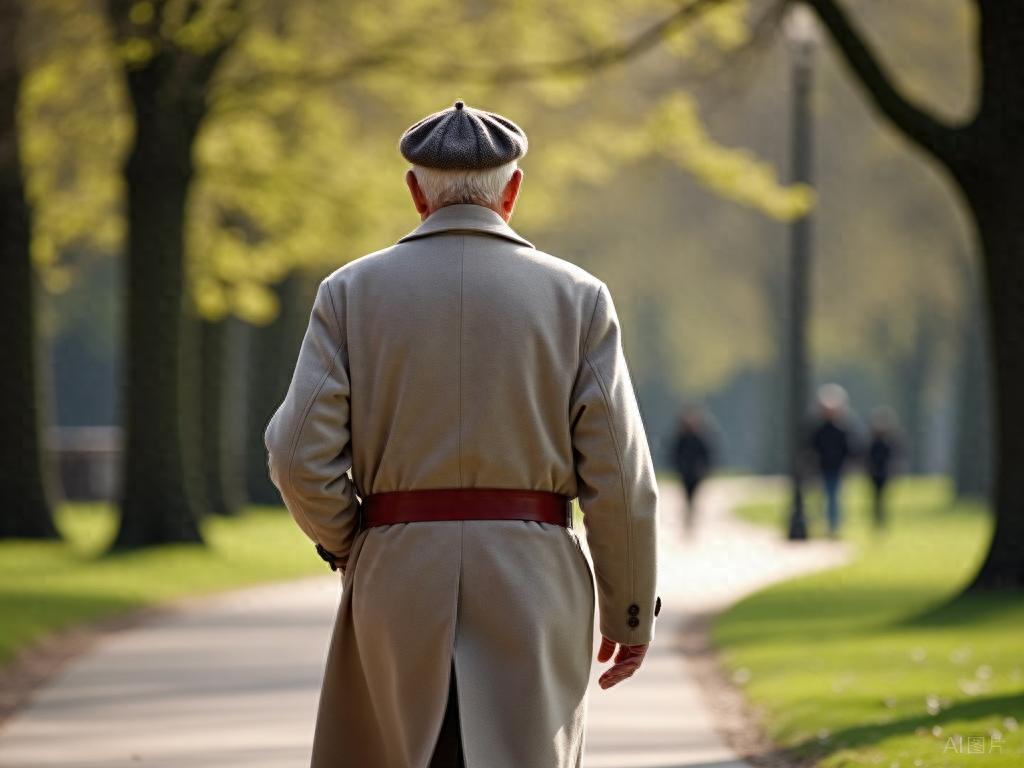
Today's story is about a 70-year-old senior. Looking back, he worked in an office for many years with minimal daily physical activity. After work, he would often sit at his desk writing, sometimes even to the point of forgetting to eat and sleep.
First, the body sends warning signals, leading to a diagnosis of diabetes.
Since May 2019, he has frequently experienced dry mouth and general fatigue. Initially attributing it to a common cold, he did not pay much attention. Subsequently, the symptoms gradually worsened, including generalized skin itching and numbness in the fingertips of his hands and feet. These symptoms did not improve even after taking some medications.
Therefore, in August of that year, he went to the county hospital for examination. The results were startling: fasting blood glucose was as high as 9.68 mmol/L, and urine glucose was 3+. After subsequent multiple tests, he was ultimately diagnosed with type 2 diabetes.
II. Seek Professional Guidance and Make a Firm Decision to Change
With the test results in hand, he made a special trip to the First Affiliated Hospital of Harbin Medical University for consultation. After carefully reviewing the lab report, the doctor informed him that a fasting blood glucose level of 9.68 mmol/L could potentially be managed through strict dietary control and regular exercise, with the key being the ability to maintain these measures long-term.
III. Two-Pronged Approach: Dietary Adjustment and Consistent Exercise
He followed the doctor's advice and immediately began adjusting his lifestyle:
- Dietary ControlKeep the intake of staple food (carbohydrates) to no more than two liang per meal, and significantly increase the proportion of vegetables. Focus on a balanced diet, completely changing the previous habit of occasional overeating.
- Experience Sharing (For Reference Only)Based on his individual constitution, he drinks a daily herbal tea infusion made from three medicinal food ingredients: astragalus, prunella vulgaris, and purslane. (Editor's note: The use of traditional Chinese medicine should be tailored to individual conditions; please be sure to consult a professional physician.)
- Core Exercise: Brisk Walking After MealsHe believes this was the most crucial factor in achieving later blood glucose control. He insisted on daily20 minutes after dinnerGo to the stadium for brisk walking.
His "walking method" is quite particular:
- SpeedWalk faster than your usual pace, at least 100 steps per minute, and adjust according to your age and physical condition to achieve a "brisk walking" level.
- PostureWalk with conscious use ofThe toes (especially the big toe) exert force.The purpose is to fully exercise the leg muscles. He believes that increased muscle mass helps consume blood sugar. At the same time, the arms coordinate with large amplitude swings.
- Duration and IntensityWalk for about 40 minutes each time until the back slightly sweats.
IV. Significant Achievements and Long-Term Adherence
After persisting for several months, his weight dropped from 180 jin to 160 jin. A follow-up examination showed that his blood glucose had decreased to 6.34 mmol/L, and his urine glucose had reduced to one plus sign. The previous symptoms of numbness in his legs and feet had lessened, the feeling of general fatigue had disappeared, and he could now climb five flights of stairs in one go.
After persisting for another year, his weight stabilized at 138 jin, and he felt physically light and mentally refreshed.
By the time of the follow-up examination in May 2017, his various indicators had largely returned to normal. The doctor once told him that diabetes is not frightening; what is truly frightening is a negative attitude and constant worry. As long as one watches their diet and stays active, blood sugar levels can be effectively controlled.
Now, he stillAdhere unwaveringly to a daily brisk walk of 40 minutes.Regardless of the weather, be it cold or hot, sunny or rainy. Over the years, his calves and thighs have developed firm and well-defined muscle lines.
The most encouraging aspect is that for over a decade since diagnosis, he has never taken hypoglycemic drugs or injected insulin, with fasting blood glucose consistently stable around 5.5mmol/L, and his physical condition has been steadily improving.
Now, he has become a locally renowned "sugar control expert," with many friends facing similar challenges seeking his advice. He generously shares his personal experiences and specific methods, and many have achieved positive results by following his practices.
His story tells us that in facing diabetes, scientific understanding, firm determination, and persistent action are the most powerful "medicine." We hope this authentic and detailed experience sharing can bring confidence and practical reference to more people with diabetes.