Fasting blood glucose >7, postprandial blood glucose >10, unwilling to take medication or injections? 7 blood sugar control methods worth trying
Many people with diabetes tend to "hold off" and are reluctant to start medication immediately after discovering elevated blood sugar levels.
If your fasting blood glucose consistently exceeds7mmol/LPostprandial 2-hour blood glucose frequently exceeds10mmol/L, has already enteredPrediabetes or early-stage diabetesThe threshold can indeed be crossed by strengthening lifestyle interventions to strive for reversal or delay in progression.
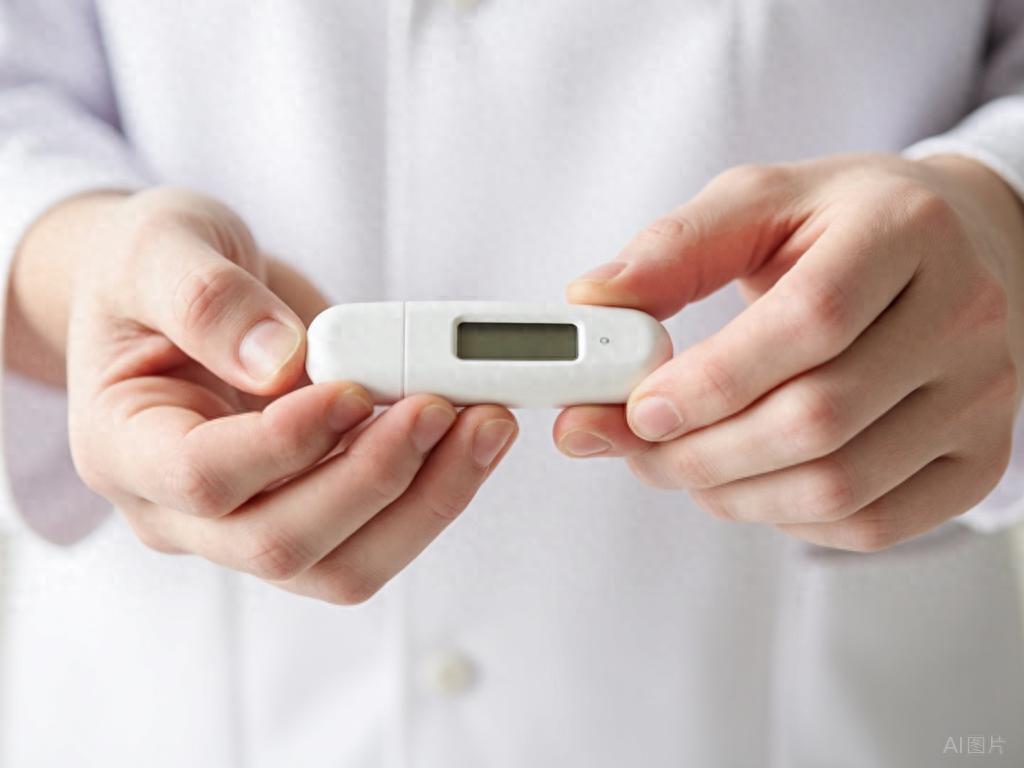
First, clarify this: When is it necessary to seek medical attention?
If adjusted in the following ways3 monthsIf blood glucose levels remain suboptimal, or if obvious symptoms of "three excesses and one deficiency" are already present, it is essential to follow the doctor's instructions for treatment.
Lifestyle intervention ≠ complete replacement of medication, but serves as an important foundation and complement
✅ 7 Non-Pharmacological Blood Sugar Control Action Guidelines
1️⃣ Adjust Staple Foods: Say Goodbye to "White, Refined, Soft"
Replace white rice and white noodles withBrown rice, mixed beans, oats, buckwheatControl the staple food to the size of a fist at each meal.
Tip: Eat vegetables first → then protein → finally staple food for more stable blood sugar.
2️⃣ Get Moving After Meals: Walking is the Simplest "Blood Sugar Lowering Medicine"
Rest for 15 minutes after meals, then engage in brisk walking or leisurely strolling.20-30 minutesIt can effectively reduce the postprandial blood glucose peak.
♂️ Accumulating over 6,000 steps daily yields more sustained effects.
3️⃣ Learn to "Be Picky": Eat More of These Natural Blood Sugar Control Foods
✅ Dark green vegetables (spinach, broccoli)
✅ Soy products (tofu, soy milk)
✅ Nuts (a small handful daily, choose unsalted)
✅ Vinegar (drinking a spoonful of diluted vinegar before meals, or adding vinegar to cold dishes, helps stabilize blood sugar)
4️⃣ Lose weight: Even just 5%
Overweight Diabetic Patients Weight Loss5%-10%Insulin sensitivity will significantly improve.
The goal can be set as losing 1-2 kilograms per month, which is safer through gradual progression.
5️⃣ Drinking Water Has Its Nuances: Drink Enough "Sugar-Control Water" Every Day
Drink water daily1700-2000 millilitersPlain boiled water and light tea are recommended.
Avoid drinking large amounts of water at once, especially within half an hour after meals.
Sleep and Mood: The Overlooked "Invisible Driving Force"
Staying up late and high stress levels can elevate cortisol, leading to increased blood sugar.
Ensure 7-8 hours of sleep each night and practice relaxation techniques such as deep breathing, meditation, or walking.
7️⃣ Monitoring and Recording: Let the Data Speak
Measure 2-3 days per weekFasting + 2-hour postprandial blood glucoseRecord diet, exercise, and blood glucose levels.
Understanding your own blood glucose patterns is essential for making targeted adjustments.
TCM auxiliary conditioning that can be attempted (requires professional guidance)
- Tea Substitute:Mulberry leaf tea, corn silk teaIt has a certain auxiliary hypoglycemic effect.
- Acupoint Massage: Try pressing and kneadingZusanli, Yishu acupoint5-10 minutes daily.
⚠️ Do not discontinue hypoglycemic drugs on your own and switch to traditional Chinese medicine!
These Misconceptions to Avoid
- ✖️ Only eating vegetables and not eating meat → May lead to malnutrition
- Excessive Dieting Leads to Reactive Hyperglycemia
- ✖️ Replacing fruit with fruit juice → Concentrated sugar content, faster blood sugar rise
- ✖️ Believing in "folk remedies that can cure diabetes" → Delays treatment
Summarize in one sentence:
Diet is the foundation, exercise is the key, monitoring is the eyes, and mindset is the support.
Even if medication is not currently needed, treat each day seriously as a "health manager."
Managing blood sugar is a long-term battle, but you are not alone.
If you are trying lifestyle adjustments, feel free to share your insights in the comments section.
Forward to friends in need and embark on the journey to stable blood sugar together!
Reminder: This article is for health education purposes. For individual circumstances, please consult a doctor or nutritionist to develop a personalized plan.