A Weekly Blood Glucose Monitoring Strategy for Diabetics: A Convenient and Accurate Gold Standard Plan
Testing blood sugar too frequently is troublesome, while testing too infrequently causes worry? This is a common concern for many people with diabetes! Today, we share a scientific and convenient blood glucose monitoring plan to make your diabetes management journey easier and more effective.
I. Weekly Monitoring Gold Standard: Hassle-Free, No Misses
Basic Monitoring Plan (Suitable for Stable Blood Glucose Period)
Monday | Recommended monitoring time points | Monitoring Focus |
Monday | Fasting + 2 hours after breakfast | Assess the initial state at the beginning of the week |
Tuesday | Before dinner + 2 hours after dinner | Understanding the Impact of Dinner |
Wednesday | Blood sugar before bedtime | Preventing Nocturnal Hypoglycemia |
Thursday | Fasting + 2 hours after lunch | Assess the Impact of Lunch |
Friday | Random time point | Random blood glucose test at any time |
Weekend | Optional 1-2 monitoring sessions | Observe the Impact of Changes in Daily Routine |
Enhanced Monitoring Protocol (Suitable for Adjustment Period, Unstable Period)
4-7 times dailyFasting + 2 hours after three meals + if necessary before bedtime/3 AM
DurationFor 3-7 consecutive days, used when the physician adjusts the treatment plan.
Two, Fasting vs Postprandial: Key Points Arranged This Way ⏰
Fasting blood glucose
- Measurement TimeAfter waking up in the morning,ImmediatelyMeasurement (procrastination can lead to a natural increase in blood sugar)
- PrecautionsAt least 8-10 hours of fasting, take medication as usual the night before.
- Target valueGenerally controlled between 4.4-7.0 mmol/L (individualized targets should follow medical advice)
Postprandial Blood Glucose
- When does the "2-hour" period startFromFirst bite of foodStart timing
- Measurement SignificanceReflects dietary and medication compatibility
- Target valueGenerally <10.0 mmol/L (individualized based on age, disease duration, etc.)
- TipsRecord what you eat and how much to identify the "culprit" of blood sugar spikes
Three, Time-Saving Tips: Making Monitoring Effortless
1. Rotational Monitoring Method
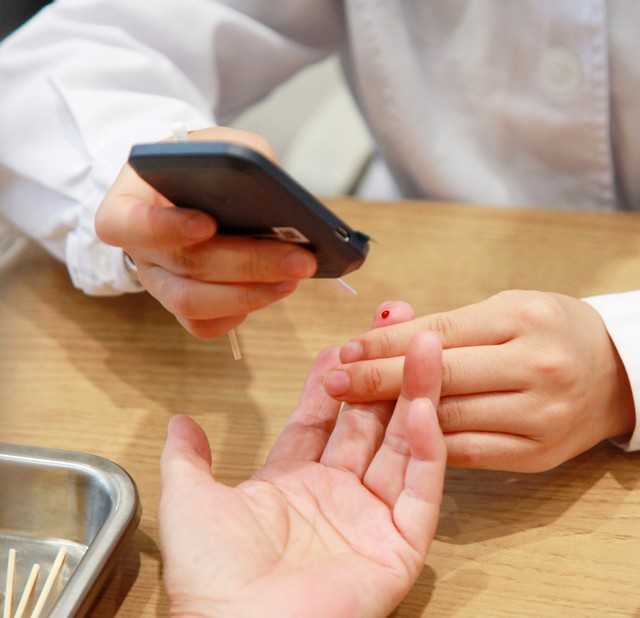
Do not always prick the same finger! Follow the principle of alternating between left and right hands and rotating to different sides of each finger to reduce pain and callus formation.
2. Smart Reminder
Set a fixed alarm on your phone to remind you of the monitoring time, and once it becomes a habit, it will be less likely to forget.
3. Remember Multiple Items at Once
Record immediately in the phone memo or a dedicated notebook during measurement:
Blood glucose level + Dietary content + Medication status + ♂️ Exercise status
4. Regular Lifestyle
Maintaining relatively fixed times for meals, exercise, and medication leads to more stable blood sugar levels and more regular monitoring.
IV. These Key Time Points Are Recommended for Monitoring Arrangements
Must-Test Moment
- During medication adjustment periodIncrease monitoring frequency
- Feeling unwellPalpitations, sweating, dizziness—measure immediately
- After dietary changesTrying new foods or after dining out
- Before and After Exerciseespecially during more intense or prolonged exercise
- During illnessColds, fevers, and other stress conditions
Optional but important moments
- 3:00 AMSuspected nocturnal hypoglycemia or dawn phenomenon
- Before driving long distancesEnsure safe driving
V. Common Misconceptions and Pitfall Avoidance Guide
❌Misconception 1Only measure fasting, not postprandial.
✅TruthPostprandial hyperglycemia is more common among Chinese individuals, and both are equally important
❌Misconception 2Test only when feeling unwell
✅TruthMild hyper/hypoglycemia may be asymptomatic, and regular monitoring is necessary for detection.
❌Misconception 3Deliberately eating less or exercising before monitoring
✅TruthThis does not reflect the true control situation; maintain a normal mindset.
❌Myth 4The test strip is expired but still in use.
✅TruthExpired test strips yield inaccurate results, wasting blood and misleading treatment.
Six, Efficient Utilization of Monitoring Results: Not Just Recording, But Also Analyzing
Spend 10 minutes analyzing once a week:
- Identify the patternWhich foods are prone to raise blood sugar? At what times is blood sugar likely to be low?
- Identify the problemAre there any periods of time when it is consistently high or low?
- Adjust actionsAdjust diet, exercise, or seek medical consultation based on regular patterns
- Preparation for Medical VisitBringing regular records to the doctor improves communication efficiency
VII. Key Monitoring Points for Special Populations
- ElderlyFocus on preventing hypoglycemia, bedtime monitoring is more important
- Pregnant womenGestational diabetes requires more intensive monitoring (as directed by a physician)
- Young patientFocus on Postprandial Blood Glucose and Lifestyle Impact
- Patients with complicationsIf cardiovascular disease is present, monitoring should be more meticulous.
Important Reminder:
Monitoring blood sugar is not about giving yourself a "score," but rather aboutBetter understanding of the body, guiding treatmentDo not become overly anxious due to a single suboptimal reading; focus on the long-term trend.
Blood glucose records are the "common language" for communication between you and your doctor, serving as the "scientific basis" for adjusting treatment plans. Bookmark this article or share it with fellow diabetes patients in need!
On the journey of blood sugar control, scientific monitoring is your navigator, and regular recording is your odometer. Persist with patience, every step counts!