These 6 types of diabetic patients are most prone to diabetic foot, remember the "three-step rule" to prevent ulceration
Diabetic foot may sound distant, but it is an invisible bomb for many people with diabetes.
Once it occurs, treatment is difficult, costs are high, and there is even a risk of amputation.
Who are the high-risk groups? How exactly should prevention be done? Let's clarify everything today!
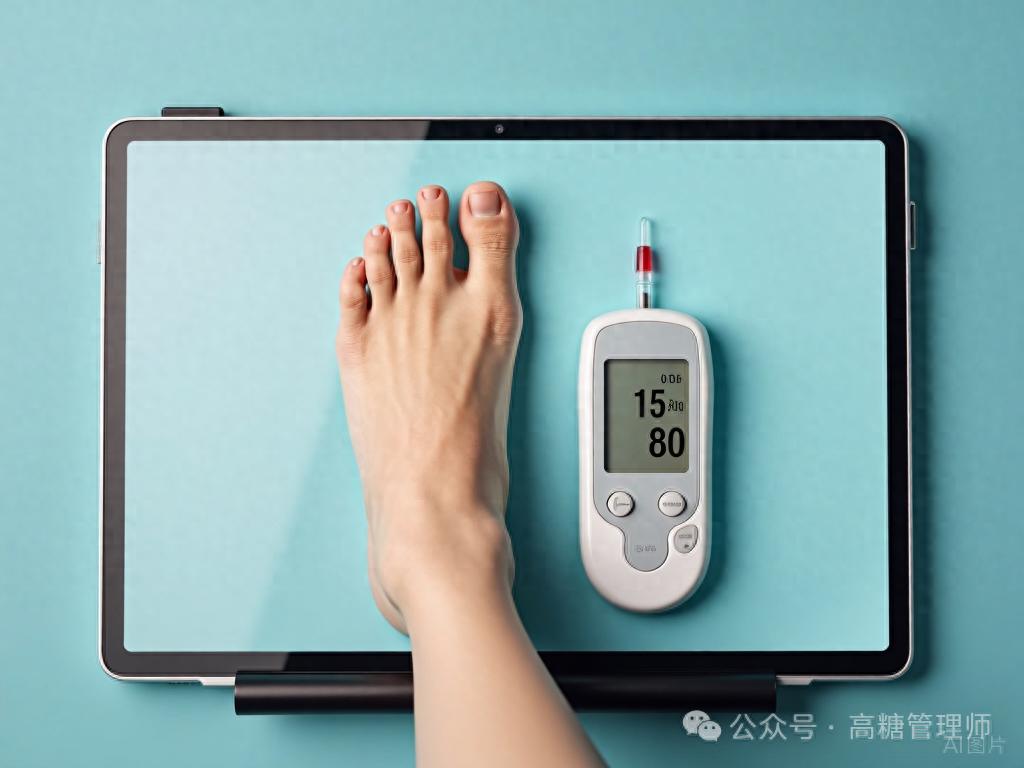
These 6 types of diabetic patients should be especially vigilant against diabetic foot!
1️⃣ Individuals with persistently suboptimal blood glucose levels
Blood sugar acts like a corrosive agent, and prolonged elevated levels can quietly damage nerves and blood vessels.
If glycated hemoglobin (HbA1c) consistently exceeds 7.5%, the risk is significantly increased.
Diabetes duration exceeding 10 years
The longer the disease course, the more severe the cumulative damage to nerves and blood vessels.
Especially for diabetic patients over 60 years old, the decline in foot perception and repair ability requires special attention.
3️⃣ Neuropathy symptoms have already appeared
⚠️ If you frequently experience these sensations, it may indicate nerve damage:
- Numbness in the feet, formication, burning pain
- Insensitive to cold, heat, and pain.
- The feet are dry and anhidrotic, prone to chapping.
4️⃣ Poor lower limb vascular status
- Leg pain after walking a short distance (intermittent claudication)
- Cold feet, pale or purplish skin
- The dorsalis pedis artery pulse is weakened or even impalpable.
5️⃣ Existing foot deformities or calluses
- Hallux Valgus, Hammer Toe
- Thick calluses and corns on the soles of the feet
- Thickened toenails, ingrown toenails
6️⃣ History of foot ulcer or amputation
⚠️ This is the most critical warning sign! The risk of recurrence is extremely high.
Prevent Foot Diseases, Remember the "Three-Step Core Rule"
Step 1: Daily Essential Foot Self-Examination (5-Minute Habit)
Every night before bed, under bright light:
- 看Presence or absence of damage, blisters, redness, or interdigital erosion
- 摸Whether the dorsalis pedis artery is pulsating, and whether the skin is excessively cold/hot
- 感Presence or absence of numbness and tingling sensation
If it is difficult to see clearly, you can use a mirror to examine the soles of your feet or ask a family member for assistance.
Step 2: Scientific Foot Care (Details Determine Success)
- Washing feetWater temperature ≤ 37°C (test with elbow, not foot!), duration < 10 minutes, gently dry (especially between toes).
- SkincareApply moisturizer daily (avoiding the spaces between toes) to prevent dryness and cracking.
- Cutting toenailsCut straight across, do not cut too short, and smooth the edges with a nail file.
- Wearing shoes and socks:
Shoes: Loose and breathable, purchase shoes in the afternoon (when feet are slightly swollen), check inside shoes for foreign objects before wearing.
Socks: Choose light-colored, seamless, breathable cotton socks and change them daily
Step 3: Avoid "Foot-Harming Behaviors"
- Do not walk barefoot indoors or outdoors
- Do not use hot water bottles or electric blankets to warm your feet.
- Do not attempt to self-treat corns or calluses.
- Do not cross your legs for extended periods of time
Seek immediate medical attention if these symptoms occur!
- Any break in the skin of the foot, even if very small
- Localized redness, swelling, heat, and pain
- Sudden worsening of foot odor
- Feeling like walking on cotton when walking.
Summary: Golden Rules for Diabetic Foot Prevention
Controlling blood sugar is fundamental, regular check-ups are crucial, foot care should be habitual, and seeking medical attention promptly is essential in case of injury.
Prevention is far simpler than treatment; spending five minutes each day paying attention to your feet is the best protection for yourself.
Your feet need more care than you might think.
Forward this to the diabetic friends around you and remind them to perform a foot self-examination tonight!
This is a health science article. If you have specific symptoms, please promptly visit the endocrinology department or a podiatry clinic.