Diabetic patients experiencing these symptoms should be cautious of lower limb ischemia! Do not wait until foot complications arise to become concerned!
Diabetic friends, have you ever felt cold and numb in your feet? Or experienced sudden "intermittent claudication" while walking? These seemingly ordinary symptoms may be signals from your bodyDanger Alert!
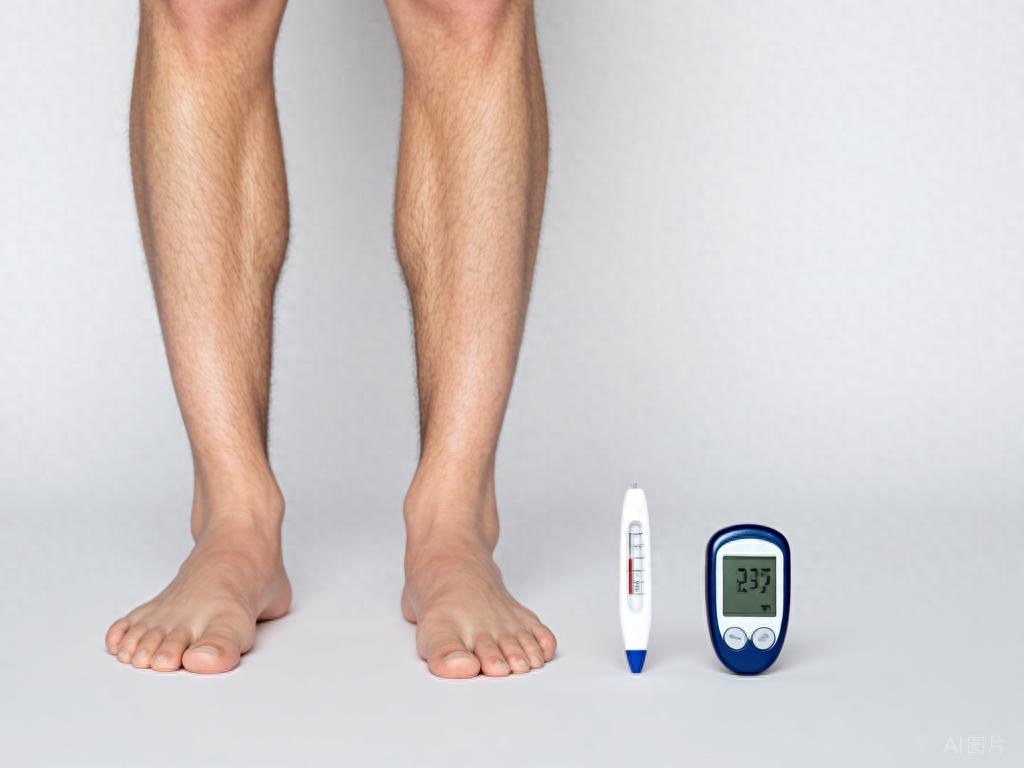
Five Key Signs of Lower Limb Ischemia
- Cold feet and sensitivity to cold❄️
Even in warm environments, the feet feel cold, with a temperature significantly lower than other parts of the body. - Abnormal numbness or tingling sensation
The feet and calves often experience a sensation of "ants crawling," pins and needles, or burning, which is particularly noticeable at night. - Change in skin color
The skin of the foot becomes pale, purplish-red, or dark red, appearing pale when elevated and purplish-red when lowered. - Leg pain, intermittent claudication♂️➡️
Pain in the calf after walking a certain distance, relieved by rest, and recurring upon walking again—this is "intermittent claudication." - Wound healing difficulty
Small wounds or ulcers on the feet heal unusually slowly and may even gradually enlarge.
⚠️ Why are these symptoms dangerous?
Prolonged hyperglycemia damages the vascular endothelium, leading to lower extremity arteriosclerosis, stenosis, and even occlusion. Simultaneously, hyperglycemia also impairs nerves, resulting in "diabetic neuropathy"—patients experience reduced sensitivity to pain and temperature, making them prone to injuries without awareness.
Lower limb ischemia + neuropathy is the "lethal combination" of diabetic footMinor abrasions can develop into difficult-to-heal ulcers, infections, and even lead to gangrene, potentially necessitating amputation in severe cases.
Prevention is better than cure: Do these seven things well
- Daily Foot Self-Examination
Check both feet daily before bedtime (using a mirror if needed), paying attention to any wounds, blisters, redness, swelling, or changes in color.Do not ignore the spaces between the toes! - Strictly control blood glucose
Take medication as prescribed by the doctor, monitor blood glucose regularly, and maintain stable blood sugar levels. This is the foundation for preventing all diabetes complications. - Selecting Appropriate Footwear and Socks
Wear loose, breathable, and soft shoes, and avoid walking barefoot. Choose cotton socks and change them daily. - Proper Foot Washing and Foot Care
Wash feet with warm water (≤37°C) for no more than 10 minutes. Gently dry thoroughly afterward, especially between the toes. Moisturizer can be applied to prevent dryness and cracking, but avoid the areas between the toes. - Quit smoking! Quit smoking! Quit smoking!
Smoking severely exacerbates vasoconstriction and vascular damage, significantly increasing the risk of amputation. - Moderate exercise♀️
Engage in activities such as walking and Tai Chi under the guidance of a doctor to promote lower limb blood circulation. Check if shoes are appropriate before exercising. - Regular Specialist Examination
Review at the endocrinology or diabetes specialty department every 3-6 months, and undergo lower extremity vascular ultrasound and neurological examination at least once a year.
Special Reminder
If the followingEmergencyPlease seek immediate medical attention:
- New wounds or ulcers on the feet
- The original wound has enlarged, is discharging pus, and has a foul odor.
- Sudden severe pain and swelling in the foot
- Discoloration of toes or feet turning black
Diabetes management is a long-term battle, and foot health is truly a matter where "details determine success." Starting today, give your feet a little extra care so they can accompany you more steadily and further on your journey!